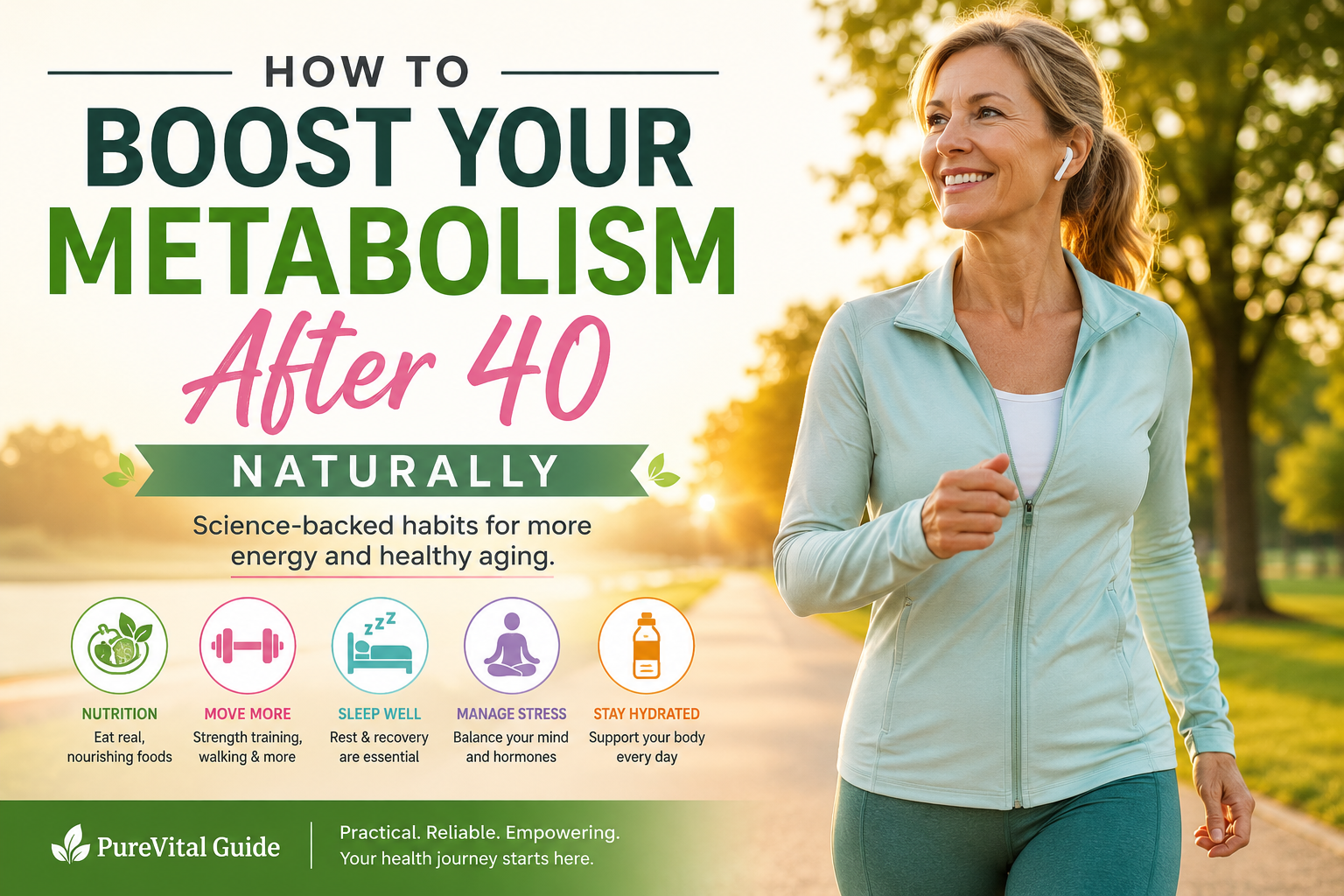
How to Boost Your Metabolism After 40 Naturally: The Complete Guide
Last Updated: July 2026
As we get older, many women notice that maintaining a healthy weight becomes more challenging than it used to be. Clothes may fit differently, energy levels may decline, and the habits that once worked no longer seem to produce the same results.
If you’ve experienced these changes, you’re not alone.
After the age of 40, the body naturally undergoes several changes that can influence metabolism. Muscle mass gradually declines, hormone levels shift, daily activity often decreases, and recovery takes longer. Together, these factors can affect how efficiently your body uses energy.
The good news is that a slower metabolism is not something you simply have to accept.
While aging does influence metabolic health, research suggests that healthy lifestyle habits—including regular physical activity, balanced nutrition, quality sleep, and stress management—can support a healthy metabolism and overall well-being.
In this guide, you’ll learn practical, science-informed strategies that may help support your metabolism naturally. Rather than focusing on quick fixes or unrealistic promises, we’ll explore sustainable habits that can make a meaningful difference over time.
Table of Contents
- What Is Metabolism?
- Why Does Metabolism Change After 40?
- Signs Your Metabolism May Be Slowing Down
- Nutrition Habits That Support a Healthy Metabolism
- Why Protein Matters More Than Ever
- The Best Exercises for Women Over 40
- Sleep and Stress: The Hidden Factors
- Hydration and Daily Movement
- Frequently Asked Questions
- Final Thoughts
Quick Summary
If you’re short on time, here are the key takeaways:
- Metabolism naturally changes with age, but healthy habits can support it.
- Strength training helps preserve muscle, which plays an important role in energy use.
- Eating enough protein supports muscle maintenance and satiety.
- Quality sleep and stress management are essential for overall metabolic health.
- Daily movement often matters more than occasional intense workouts.
- Sustainable lifestyle changes are more effective than fad diets.
What Is Metabolism?
Metabolism refers to the chemical processes your body uses to convert food into energy. Every heartbeat, breath, thought, and movement requires energy—even while you’re sleeping.
Your total daily energy expenditure is influenced by several factors, including:
- Your resting metabolic rate (the energy your body uses at rest)
- Physical activity
- Digestion of food
- Body composition, particularly muscle mass
- Age
- Genetics
- Hormonal changes
Many people think metabolism is either “fast” or “slow,” but the reality is more complex. It is affected by multiple factors, many of which can be influenced by lifestyle choices.
Understanding how metabolism works is the first step toward making informed decisions that support long-term health.

Why Does Metabolism Change After 40?
Several natural changes occur during midlife that can affect how your body uses energy.
1. Muscle Mass Gradually Declines
One of the biggest reasons metabolism changes with age is the gradual loss of muscle tissue.
Muscle is metabolically active, meaning it requires energy to maintain. As muscle mass decreases, the body may burn fewer calories throughout the day.
Fortunately, regular strength training and adequate protein intake can help support muscle maintenance.
2. Hormonal Changes
For many women, the years leading up to menopause bring hormonal fluctuations.
Changes in estrogen levels may influence body composition, fat distribution, appetite, sleep quality, and energy levels.
These changes can make healthy lifestyle habits feel more important than ever.
3. Physical Activity Often Decreases
Busy schedules, work, caregiving responsibilities, or joint discomfort can reduce daily movement.
Even small decreases in activity can influence overall energy expenditure over time.
Finding enjoyable ways to stay active can make a meaningful difference.
4. Sleep Quality May Decline
Sleep plays a vital role in overall health.
Poor sleep may affect appetite-regulating hormones, energy levels, mood, and motivation to stay active.
Creating a consistent bedtime routine can support both sleep quality and overall wellness.
Signs Your Metabolism May Be Slowing Down
It’s important to remember that no single symptom can determine whether your metabolism has slowed. Many factors—including sleep, stress, medical conditions, medications, and hormonal changes—can influence how you feel.
However, some women notice common changes during their 40s and beyond, such as:
- Gradual weight gain despite maintaining similar eating habits
- Increased fat around the abdomen
- Feeling tired more often
- Reduced muscle strength
- Difficulty losing weight
- Feeling less energetic during the day
- Slower recovery after exercise
- Increased hunger or food cravings
If several of these changes occur together or interfere with your daily life, it’s a good idea to discuss them with your healthcare provider.
Nutrition Habits That Support a Healthy Metabolism
There is no single “metabolism-boosting” food.
Instead, a healthy metabolism is supported by consistent eating habits that provide your body with the nutrients it needs.
Here are some of the most effective strategies.
Eat Enough Protein
Protein plays several important roles in the body.
It helps:
- Maintain muscle mass
- Support recovery after exercise
- Increase feelings of fullness
- Require slightly more energy to digest than carbohydrates or fats (known as the thermic effect of food)
Good protein sources include:
- Chicken breast
- Turkey
- Fish
- Eggs
- Greek yogurt
- Cottage cheese
- Lentils
- Beans
- Tofu
- Tempeh
Aim to include a source of protein with each meal whenever possible.
Fill Your Plate with Fiber
Fiber supports digestive health and may help you feel satisfied for longer.
Excellent sources include:
- Vegetables
- Fruits
- Oats
- Chia seeds
- Flaxseeds
- Beans
- Lentils
- Whole grains
Rather than focusing on restriction, think about adding more fiber-rich foods to your meals.
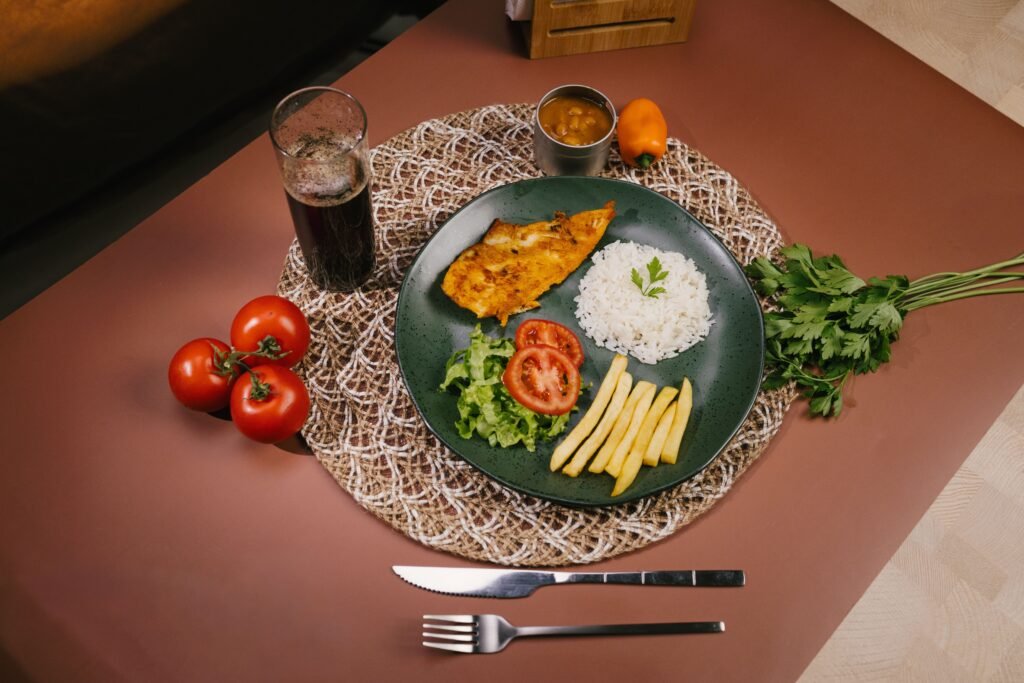
Choose Healthy Fats
Healthy fats support overall health and contribute to satisfying meals.
Good choices include:
- Avocados
- Olive oil
- Nuts
- Seeds
- Fatty fish such as salmon
- Natural nut butters
Moderation is still important, as fats are calorie-dense.
Stay Consistent with Meals
Skipping meals isn’t necessarily harmful for everyone, but regularly eating too little may make it harder to meet your nutritional needs.
A balanced eating pattern that includes protein, fiber, healthy fats, and complex carbohydrates often supports better energy throughout the day.
Foods That Support Overall Metabolic Health
No food can “speed up” metabolism overnight.
However, nutrient-dense foods can support overall health and make it easier to maintain healthy habits.
Consider including:
Lean Proteins
- Chicken
- Turkey
- Fish
- Eggs
- Greek yogurt
Colorful Vegetables
- Spinach
- Broccoli
- Bell peppers
- Kale
- Brussels sprouts
Whole Grains
- Oats
- Brown rice
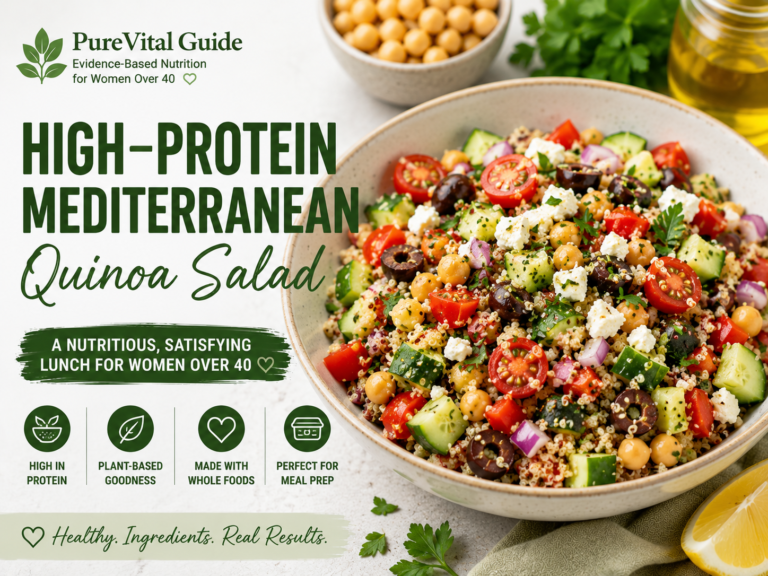
- Quinoa
- Whole wheat bread
Fruits
- Blueberries
- Apples
- Oranges
- Strawberries
Healthy Fats
- Olive oil
- Walnuts
- Almonds
- Pumpkin seeds
- Chia seeds
The goal is not perfection—it is consistency.
Why Protein Matters More After 40
As women age, maintaining muscle becomes increasingly important.
Muscle helps support:
- Physical strength
- Balance
- Mobility
- Healthy aging
- Daily energy expenditure
Protein provides the building blocks your body needs to maintain and repair muscle tissue.
Many experts recommend spreading protein intake throughout the day rather than consuming most of it at a single meal.
For example:
Breakfast:
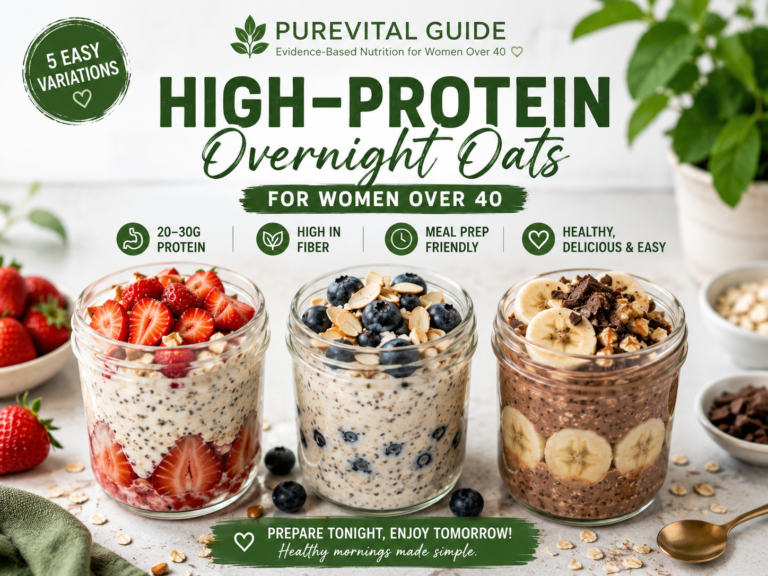
Greek yogurt with berries and chia seeds.
Lunch:
Grilled chicken salad with vegetables.
Snack:
Cottage cheese and fruit.
Dinner:
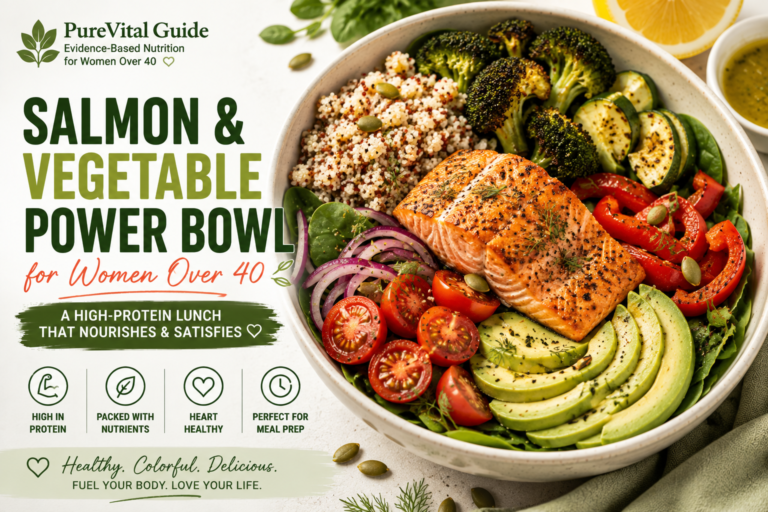
Baked salmon with roasted vegetables and quinoa.
This approach can help support muscle maintenance alongside regular physical activity.
The Best Exercises to Support Metabolic Health
Exercise offers many health benefits beyond calorie burning.
A well-rounded fitness routine may include:
Strength Training
Strength training is one of the most effective ways to maintain muscle mass as you age.
Examples include:
- Resistance bands
- Dumbbells
- Bodyweight exercises
- Weight machines
Aim for at least two strength-training sessions each week, if appropriate for your fitness level.
Walking
Walking is one of the easiest forms of physical activity to maintain.
Benefits include:
- Supports cardiovascular health
- Encourages daily movement
- Low impact on joints
- Easy to fit into a busy schedule
Even a 20–30 minute walk most days of the week can contribute to an active lifestyle.

Cardio Exercise
Activities such as:
- Cycling
- Swimming
- Dancing
- Jogging
- Hiking
help support heart health and endurance.
Choose activities you genuinely enjoy, as consistency is more important than intensity.
Don’t Forget Daily Movement
Structured workouts are valuable, but everyday movement also matters.
Simple ways to move more include:
- Taking the stairs
- Gardening
- Walking while talking on the phone
- Parking farther away
- Stretching during work breaks
- Playing with children or grandchildren
These small habits can add up over time and contribute to a healthier lifestyle.
Sleep and Stress: The Hidden Factors That Influence Metabolic Health
Nutrition and exercise often receive most of the attention when discussing metabolism, but sleep and stress also play important roles in overall health.
Why Sleep Matters
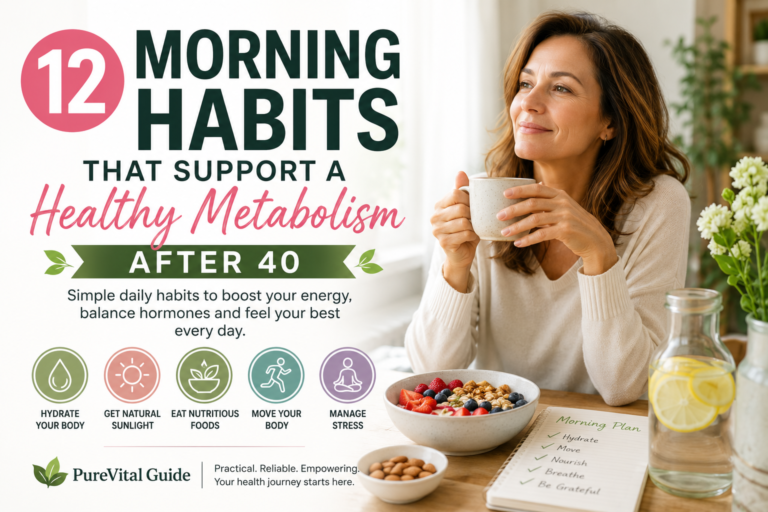
Getting enough quality sleep helps support many essential body functions, including hormone regulation, energy levels, recovery, and appetite.
Poor sleep has been associated with changes in hormones that influence hunger and fullness, making healthy eating habits more difficult to maintain.
To improve sleep quality:
- Aim for a consistent bedtime and wake-up time.
- Limit screen time before bed.
- Keep your bedroom cool, quiet, and dark.
- Avoid large meals and excessive caffeine close to bedtime.
Small improvements in your sleep routine can have a positive impact on your overall well-being.
Managing Stress for Better Health
Chronic stress can affect sleep, eating habits, motivation to exercise, and overall quality of life.
While stress is a normal part of life, finding healthy ways to manage it may support long-term wellness.
Consider incorporating activities such as:
- Walking outdoors
- Yoga or gentle stretching
- Deep breathing exercises
- Meditation
- Journaling
- Reading
- Spending time with friends and family
The goal isn’t to eliminate stress completely—it’s to build habits that help you recover from it.
Hydration and Metabolism
Water is essential for nearly every process in the body.
Although drinking more water alone will not dramatically increase metabolism, staying well hydrated supports normal bodily functions and overall health.
Some simple tips include:
- Carry a reusable water bottle.
- Drink water with meals.
- Increase fluid intake during hot weather or exercise.
- Choose water over sugary drinks whenever possible.
Proper hydration also supports digestion and physical performance.
Common Myths About Metabolism
There is a lot of misinformation online. Let’s separate fact from fiction.
Myth 1: Certain Foods “Melt Fat”
No single food can cause significant fat loss on its own.
A balanced eating pattern and consistent healthy habits matter much more than any individual ingredient.
Myth 2: Eating Every Two Hours Speeds Up Metabolism
Current research does not show that simply eating more frequently significantly increases metabolism.
What matters most is your overall dietary pattern and nutritional quality.
Myth 3: Cardio Is Better Than Strength Training
Both forms of exercise offer important health benefits.
Strength training helps maintain muscle mass, while cardio supports heart health and endurance.
A combination of both is often the most balanced approach.
Myth 4: It’s Too Late After 40
Absolutely not.
Healthy habits can benefit people at any age.
While the body naturally changes over time, improvements in nutrition, physical activity, sleep, and stress management can still have meaningful positive effects.
Frequently Asked Questions
Can you really boost your metabolism after 40?
You cannot completely change your natural metabolism, but healthy lifestyle habits such as strength training, balanced nutrition, quality sleep, and regular physical activity can help support overall metabolic health.
What foods help support metabolism?
Foods rich in protein, fiber, healthy fats, fruits, vegetables, and whole grains provide nutrients that support overall health and make it easier to maintain healthy habits.
Is walking enough?
Walking is an excellent form of physical activity.
For additional health benefits, consider combining walking with strength training and flexibility exercises, if appropriate for your fitness level.
Should I take metabolism supplements?
Some dietary supplements may have a role in specific situations, but they should never replace a balanced diet or healthy lifestyle.
Always speak with a qualified healthcare professional before starting any supplement.
Does menopause slow metabolism?
Menopause is associated with hormonal changes that may influence body composition, muscle mass, and fat distribution.
Maintaining regular physical activity, eating a balanced diet, and prioritizing sleep can help support healthy aging during this stage of life.
Final Thoughts
Your metabolism is only one part of your overall health.
Instead of searching for quick fixes or miracle solutions, focus on habits you can maintain for years—not just weeks.
Regular movement, nutritious meals, quality sleep, stress management, and consistency can all contribute to feeling stronger, more energetic, and healthier over time.
Remember, healthy aging is not about perfection.
It’s about making small, sustainable choices that support your well-being every day.
At PureVital Guide, we’re here to help you make those choices with confidence.
References
The information in this article is based on guidance and educational resources from respected health organizations, including:
- National Institutes of Health (NIH)
- Office of Dietary Supplements (NIH)
- Centers for Disease Control and Prevention (CDC)
- Harvard T.H. Chan School of Public Health
- Mayo Clinic
- Academy of Nutrition and Dietetics
Readers are encouraged to consult these organizations and speak with qualified healthcare professionals for personalized medical advice.
Medical Disclaimer
This article is provided for educational and informational purposes only.
It is not intended to diagnose, treat, cure, or prevent any disease and should not be considered medical advice.
Always consult your physician or another qualified healthcare professional before making changes to your diet, exercise routine, medications, or supplement use.
7 Comments