15 Best Foods That Support a Healthy Metabolism After 40
15 Best Foods That Support a Healthy Metabolism After 40
Last Updated: July 2026
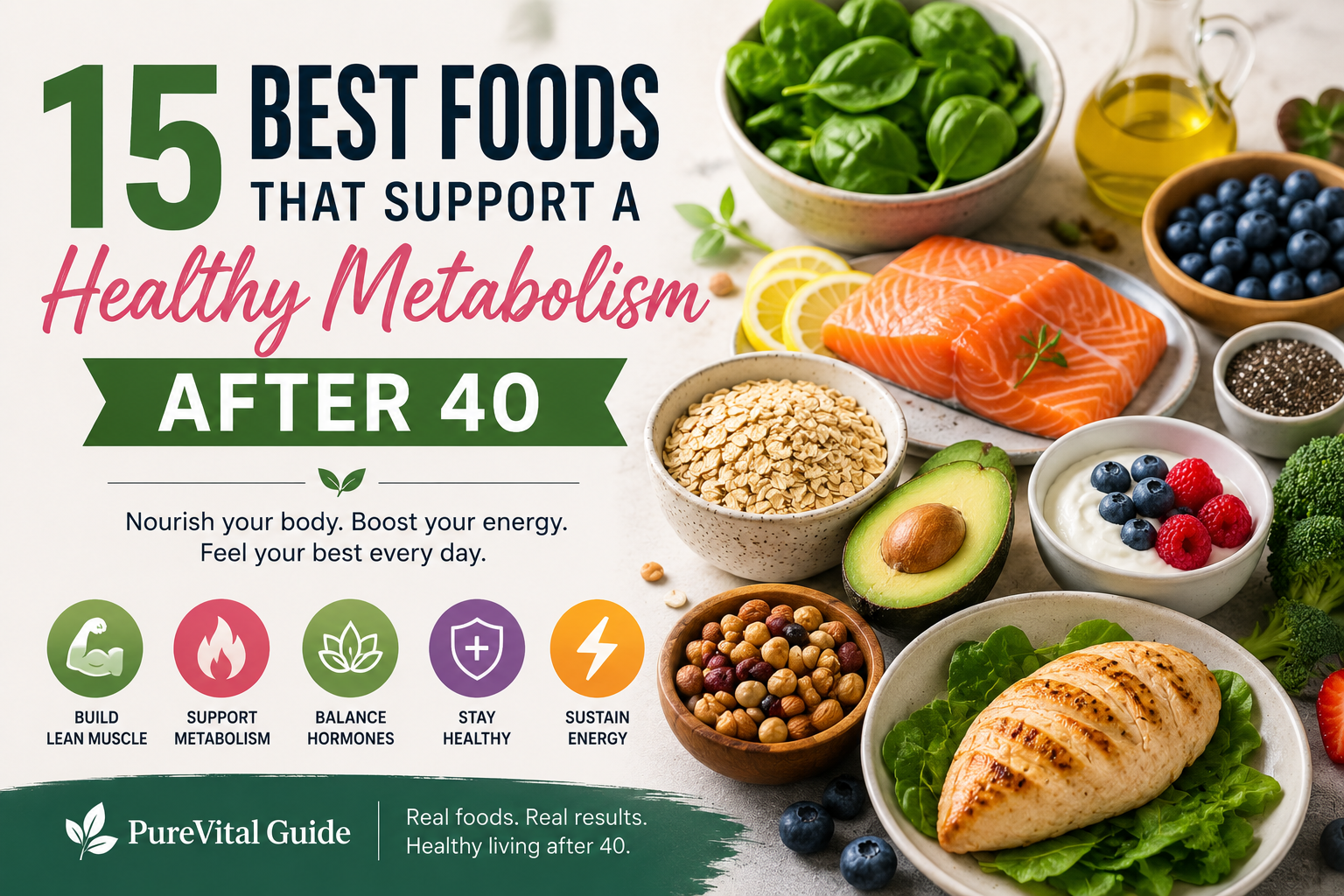
As women move through their 40s and beyond, it’s common to notice changes in energy levels, body composition, and overall health. While no single food can “boost” your metabolism overnight, a balanced eating pattern rich in nutrient-dense foods can help support your body’s natural metabolic processes.
The good news is that you don’t need expensive superfoods or restrictive diets to eat well. Many everyday foods provide the protein, fiber, healthy fats, vitamins, and minerals your body needs to function at its best.
In this guide, you’ll discover 15 foods that deserve a place on your plate if you’re looking to support a healthy metabolism and feel your best after 40.
Quick Summary
These foods are excellent additions to a balanced lifestyle:
- Eggs
- Greek yogurt
- Salmon
- Chicken breast
- Lentils
- Beans
- Oats
- Berries
- Leafy greens
- Broccoli
- Avocados
- Chia seeds
- Walnuts
- Quinoa
- Green tea
Remember: consistency matters far more than any single ingredient.

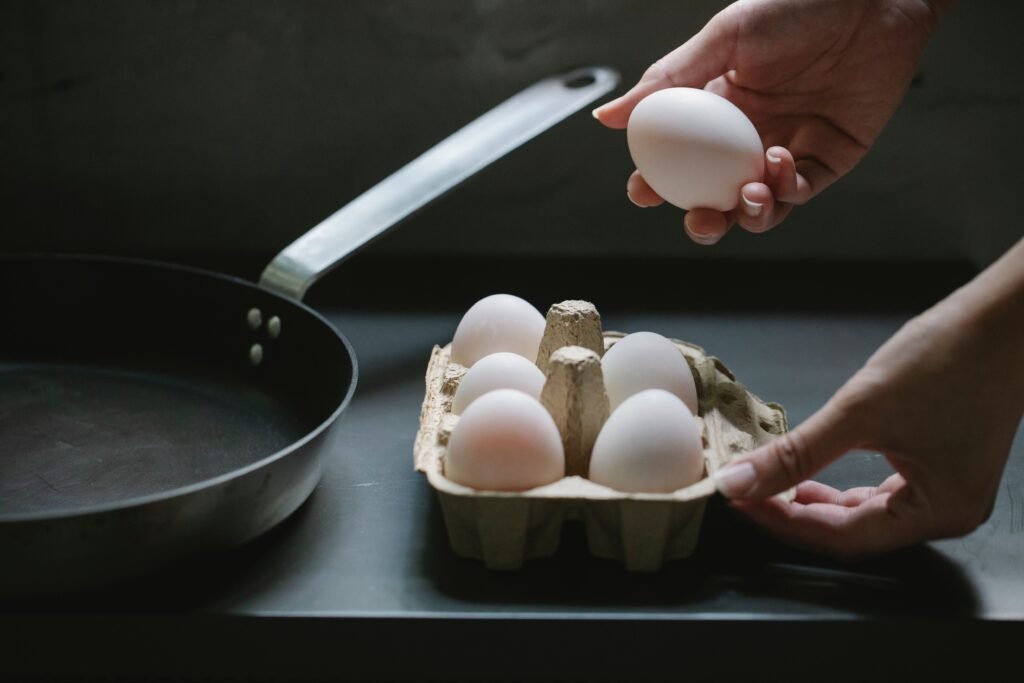
1. Eggs
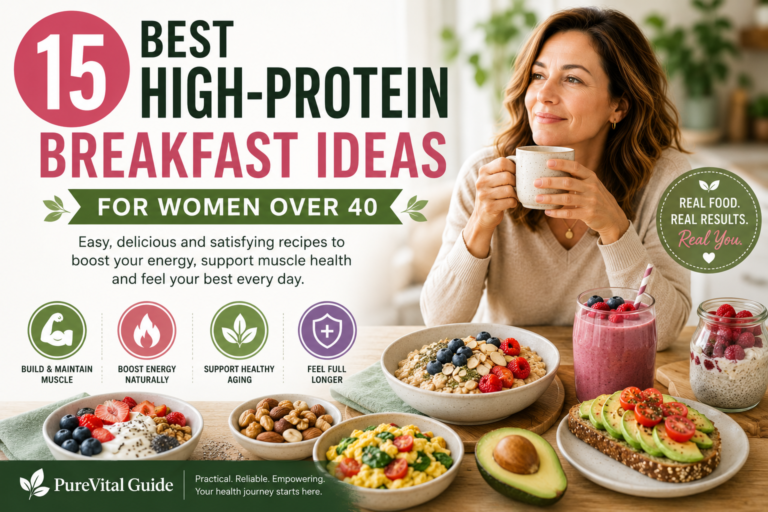
Eggs are a complete source of protein and contain nutrients such as vitamin B12 and choline.
Starting your day with a protein-rich breakfast may help you stay satisfied longer and support muscle maintenance.
2. Greek Yogurt
Greek yogurt provides protein, calcium, and beneficial bacteria that can support digestive health.
Choose plain, unsweetened varieties whenever possible and add fresh fruit for natural sweetness.
3. Salmon
Salmon is rich in high-quality protein and omega-3 fatty acids.
Including fatty fish in your weekly meal plan supports heart health and provides important nutrients for healthy aging.
4. Chicken Breast
Lean poultry is an excellent source of protein with relatively little saturated fat.
Pair it with vegetables and whole grains for a balanced meal.
5. Lentils
Lentils provide both protein and fiber, making them a filling and nutritious choice.
They’re also rich in iron, folate, and magnesium.
6. Beans
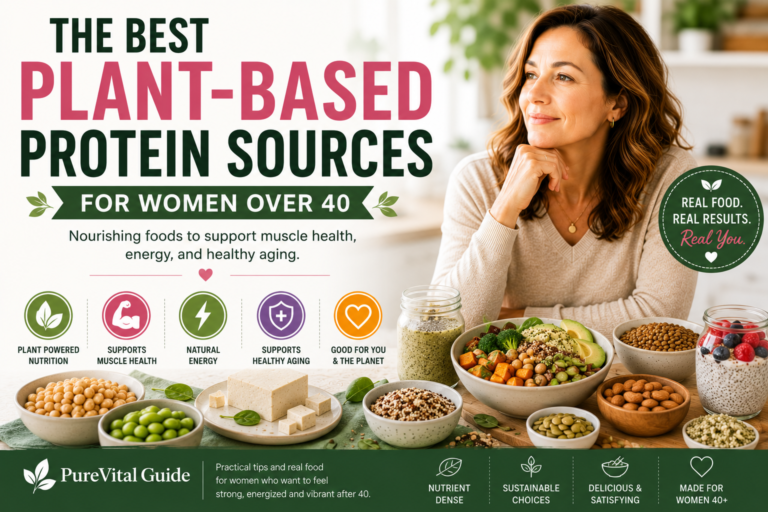
Beans are affordable, versatile, and packed with plant protein and fiber.
Try adding them to salads, soups, or grain bowls.
7. Oats
Oats are rich in soluble fiber, which supports digestive health and helps keep you feeling full throughout the morning.
Top your oatmeal with berries and nuts for extra nutrition.
8. Berries
Blueberries, strawberries, raspberries, and blackberries are loaded with vitamins, antioxidants, and fiber.
They’re naturally sweet and make a healthy addition to breakfast or snacks.
9. Leafy Greens
Spinach, kale, arugula, and Swiss chard provide vitamins, minerals, and antioxidants while being naturally low in calories.
Aim to include leafy greens in your meals several times a week.
10. Broccoli
Broccoli is an excellent source of fiber, vitamin C, and plant compounds that support overall health.
Steam, roast, or stir-fry it as a colorful side dish.
11. Avocados
Avocados contain heart-healthy monounsaturated fats along with fiber and potassium.
Because they’re calorie-dense, enjoy them as part of balanced portions.
12. Chia Seeds
Tiny but nutrient-rich, chia seeds provide fiber, healthy fats, and plant-based protein.
Add them to yogurt, smoothies, or overnight oats.
13. Walnuts
Walnuts are rich in healthy fats and make a satisfying snack.
A small handful pairs well with fruit for a balanced option between meals.
14. Quinoa
Quinoa is a whole grain that contains protein, fiber, and essential minerals.
It works well as a substitute for rice in salads and bowls.
15. Green Tea
Green tea is a refreshing beverage that contains natural compounds called catechins.
While green tea alone is not a weight-loss solution, it can be part of an overall healthy lifestyle when enjoyed without excess sugar.
Building a Metabolism-Friendly Plate
Instead of focusing on individual foods, aim to build balanced meals.
A simple guide is:
- Half your plate: vegetables.
- One-quarter: lean protein.
- One-quarter: whole grains or starchy vegetables.
- Add a source of healthy fat.
This approach supports both nutrition and long-term satisfaction.
Frequently Asked Questions
Can certain foods speed up metabolism?
No single food dramatically increases metabolism. Long-term eating patterns and overall lifestyle habits have a much greater impact.
Should I avoid carbohydrates after 40?
Not necessarily. Whole grains, fruits, vegetables, and legumes provide important nutrients and fiber. The focus should be on choosing minimally processed carbohydrate sources.
Is protein more important after 40?
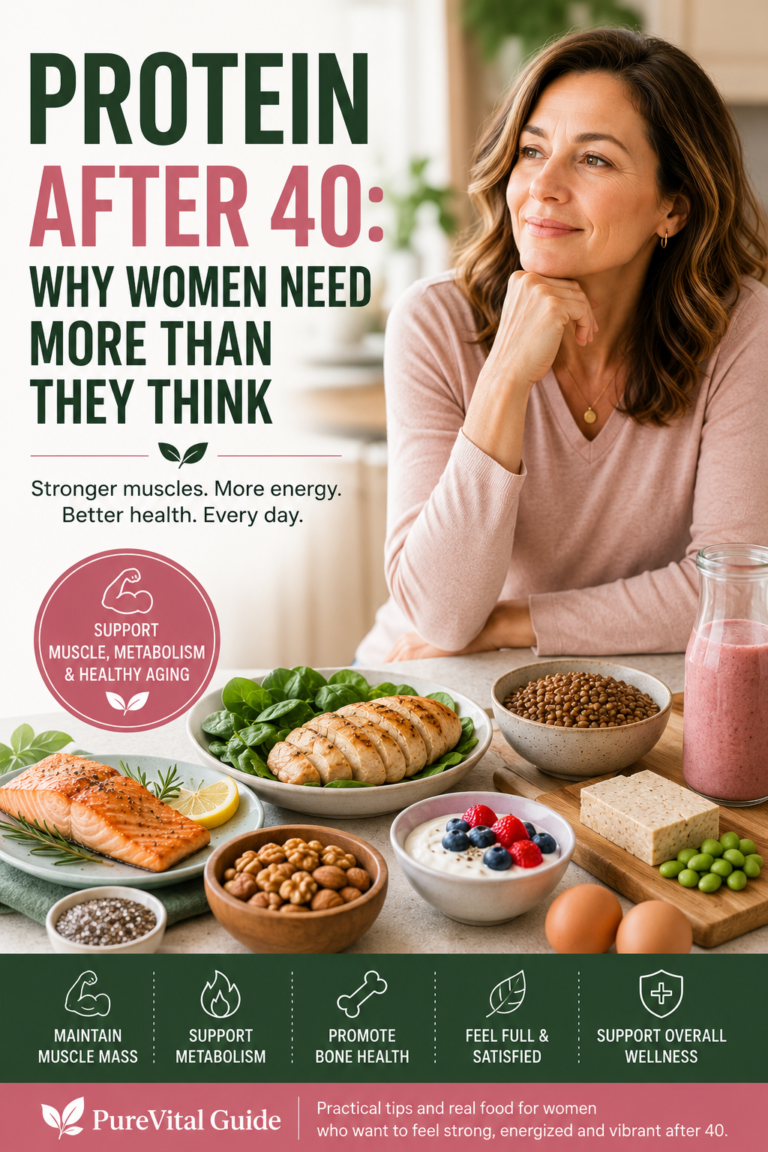
Protein becomes increasingly important because it helps maintain muscle mass, supports recovery, and contributes to feelings of fullness.
Final Thoughts
Healthy metabolism isn’t built around one “miracle” food—it’s the result of consistently nourishing your body with balanced meals.
By including a variety of protein-rich foods, fiber, colorful vegetables, healthy fats, and whole grains, you can support your overall health and create sustainable habits that last well beyond your 40s.
Small choices made every day often have the greatest impact over time.
Related Articles
- How to Boost Your Metabolism After 40 Naturally
- 15 Signs Your Metabolism May Be Slowing Down After 40
- 12 Morning Habits That Support a Healthy Metabolism After 40
Medical Disclaimer
This article is intended for educational purposes only and should not be considered medical advice. Always consult a qualified healthcare professional before making changes to your diet, exercise routine, or supplement use.
4 Comments