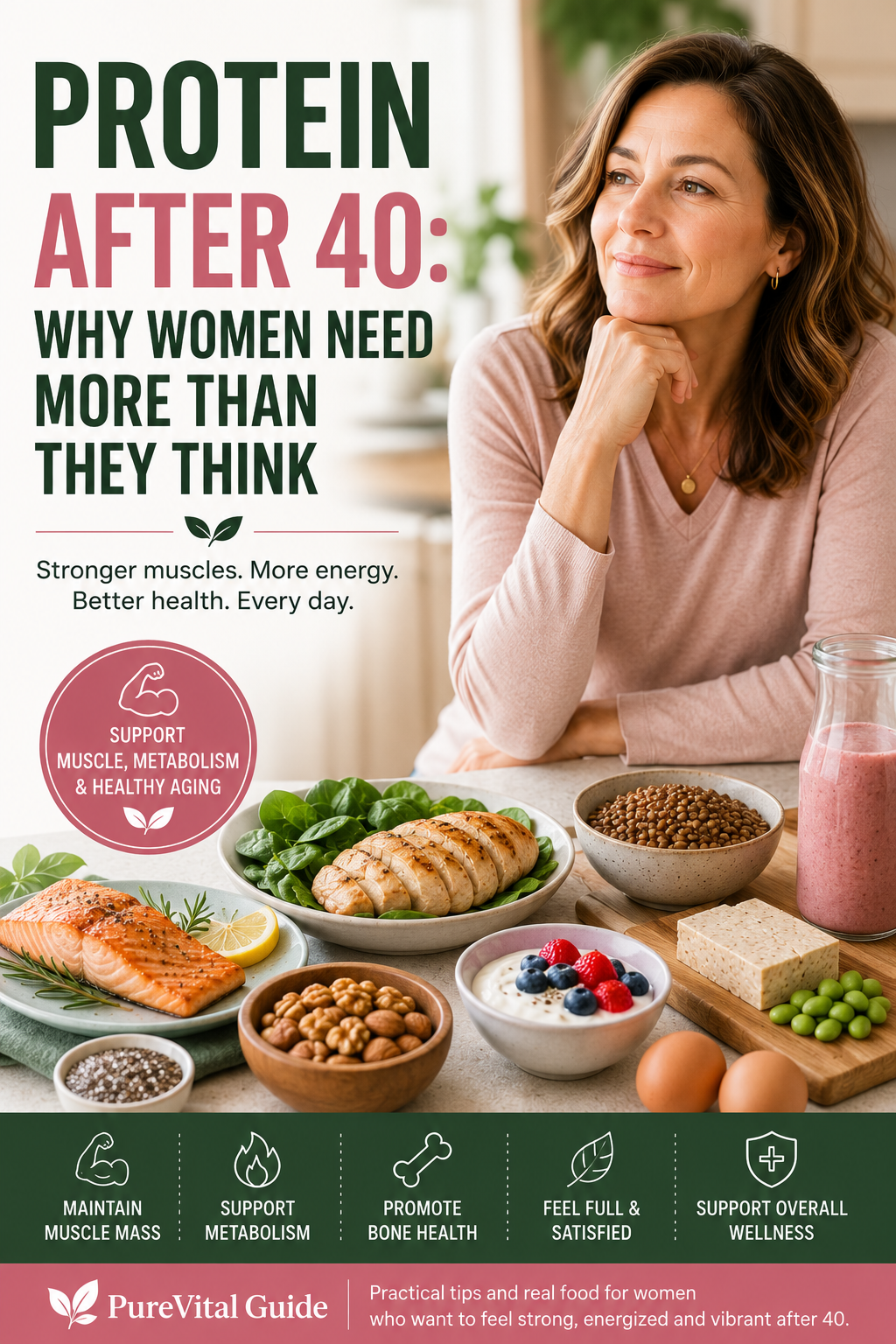
Protein After 40: Why Women Need More Than They Think
Protein After 40: Why Women Need More Than They Think
Last Updated: July 2026
As women enter their 40s and beyond, maintaining good health becomes less about restrictive diets and more about nourishing the body with the nutrients it truly needs. One nutrient that deserves special attention is protein.
While many people associate protein with athletes or bodybuilders, it plays a vital role in healthy aging. It helps preserve muscle mass, supports bone health, contributes to recovery after physical activity, and promotes feelings of fullness after meals.
As we age, natural hormonal changes and the gradual loss of muscle tissue make adequate protein intake more important than ever.
In this guide, you’ll learn why protein matters after 40, how much you may need, the best food sources, and simple ways to include more protein in your daily routine.
Quick Summary
- Protein helps maintain muscle mass as you age.
- It supports healthy bones, recovery, and satiety.
- Both animal and plant-based proteins can be part of a healthy diet.
- Spreading protein intake throughout the day may be beneficial.
- A balanced lifestyle matters more than focusing on a single nutrient.
Why Protein Becomes More Important After 40
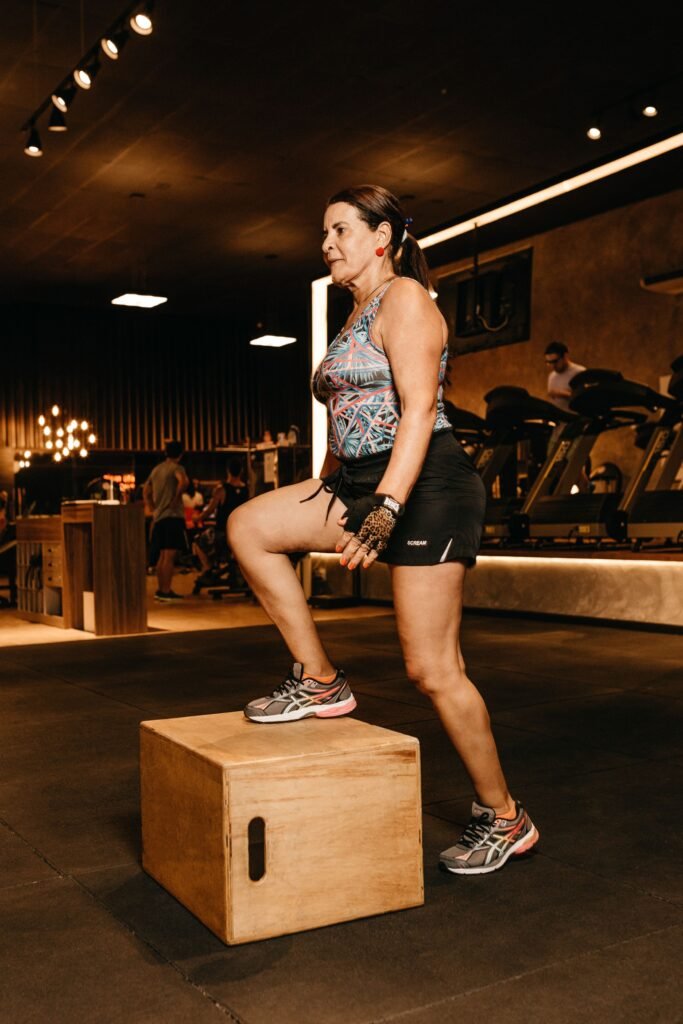
Beginning in midlife, the body naturally starts to lose muscle mass. This gradual process can affect strength, mobility, balance, and overall physical function.
Regular strength training combined with adequate protein intake can help support healthy muscle maintenance.
Protein is also involved in many essential functions, including:
- Building and repairing tissues
- Producing enzymes and hormones
- Supporting the immune system
- Maintaining healthy skin and hair
- Helping the body recover after exercise
Benefits of Eating Enough Protein
Supports Muscle Health
Muscle plays an important role in healthy aging. Maintaining muscle mass can help support independence, balance, and everyday activities.
Including protein with each meal provides your body with the building blocks needed to maintain and repair muscle tissue.
Promotes Satiety
Protein-rich meals tend to be more satisfying than meals low in protein.
Feeling satisfied after eating may help reduce unnecessary snacking and support healthy eating habits throughout the day.
Supports Bone Health
Bones and muscles work together to keep the body strong and active.
Combined with calcium, vitamin D, and regular physical activity, adequate protein intake supports overall bone health.
Helps Recovery After Exercise
Whether you enjoy walking, strength training, yoga, or cycling, protein helps your body recover after physical activity.
Pairing exercise with balanced meals that include protein can support long-term fitness goals.
How Much Protein Do Women Over 40 Need?
Protein needs vary depending on factors such as:
- Age
- Body weight
- Physical activity level
- Overall health
- Personal goals
Many women benefit from including a source of protein at every meal rather than consuming most of it at dinner.
For personalized recommendations, consult a registered dietitian or healthcare professional.
Best Sources of Protein
Animal-Based Protein
- Eggs
- Chicken breast
- Turkey
- Salmon
- Tuna
- Greek yogurt
- Cottage cheese
- Lean beef
Plant-Based Protein
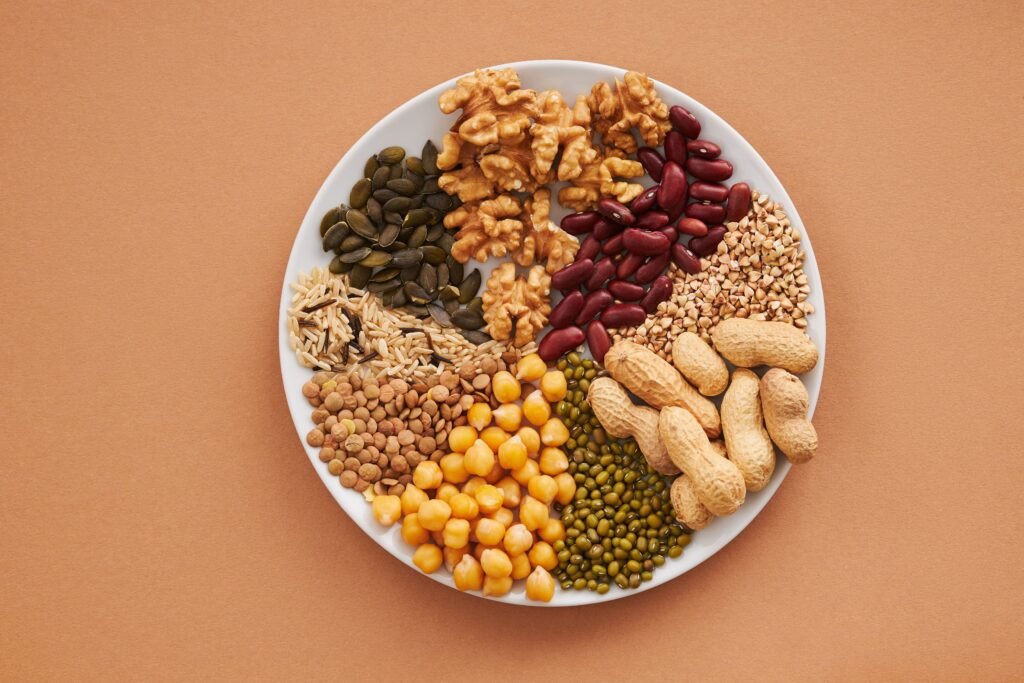
- Lentils
- Chickpeas
- Black beans
- Tofu
- Tempeh
- Edamame
- Quinoa
- Chia seeds
- Hemp seeds
A combination of different plant proteins can provide a wide range of nutrients.
Easy Ways to Eat More Protein
Adding more protein doesn’t have to be complicated.
Try these simple ideas:
Breakfast
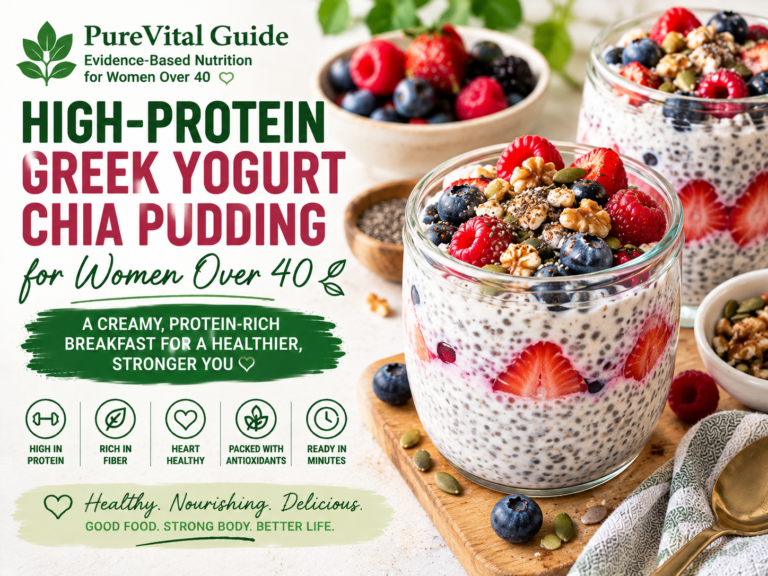
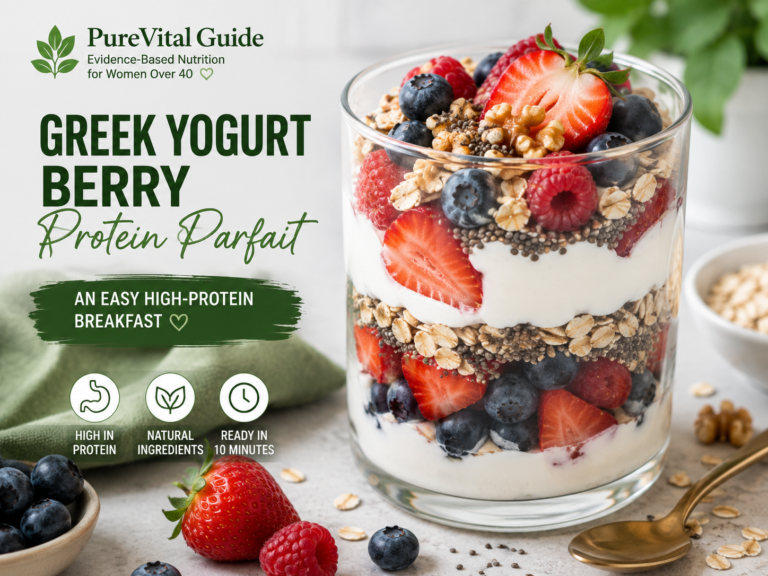
- Greek yogurt with berries
- Eggs with whole-grain toast
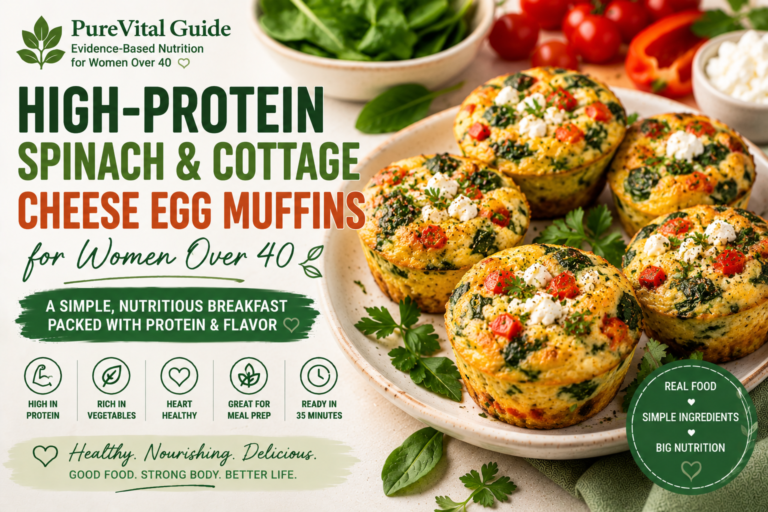
- Cottage cheese and fruit
- Protein smoothie with spinach and banana
Lunch
- Grilled chicken salad
- Lentil soup
- Tuna sandwich on whole-grain bread
- Quinoa bowl with vegetables
Dinner
- Baked salmon with roasted vegetables
- Turkey chili
- Stir-fried tofu with brown rice
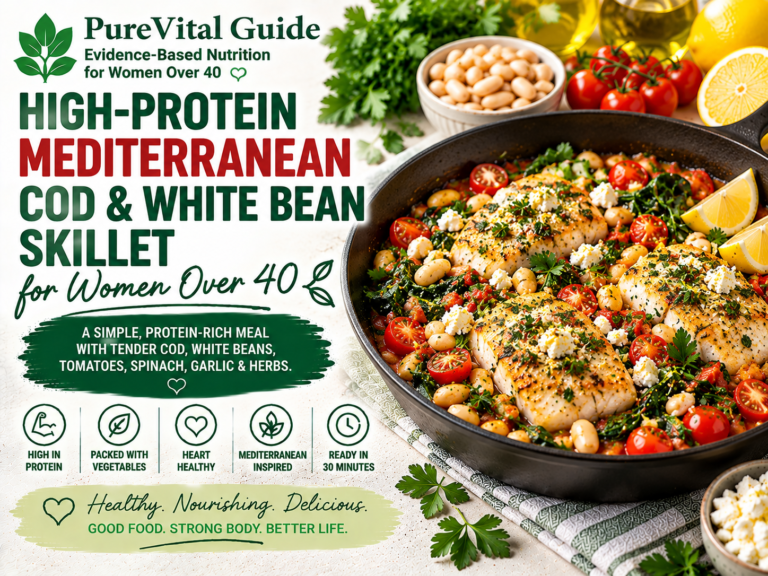
- Grilled chicken with sweet potatoes
Snacks
- Hard-boiled eggs
- Roasted chickpeas
- Plain Greek yogurt
- A handful of nuts
Common Myths About Protein
Myth: Protein Is Only for Athletes
False.
Protein is essential for everyone, especially during healthy aging.
Myth: More Protein Is Always Better
Not necessarily.
A balanced diet is more important than consuming excessive amounts of any one nutrient.
Myth: Plant Protein Isn’t Good Enough
Plant-based proteins can absolutely support a healthy diet.
Eating a variety of legumes, grains, nuts, and seeds helps provide important nutrients.
Frequently Asked Questions
Can protein help with weight management?
Protein may increase feelings of fullness and help preserve muscle mass when combined with a balanced diet and regular exercise.
Is it okay to eat protein at every meal?
For many people, distributing protein intake throughout the day can be a practical way to meet daily needs.
Should I use protein powder?
Whole foods are generally the preferred source of protein. Protein powders may be helpful in certain situations, but they are not necessary for everyone. Consult a healthcare professional if you’re unsure.
Final Thoughts
Protein is one of the most important nutrients for women over 40.
Rather than viewing it as a supplement for athletes, think of protein as an essential part of a healthy lifestyle that supports strength, mobility, recovery, and healthy aging.
Focus on building balanced meals that include high-quality protein alongside vegetables, fruits, whole grains, and healthy fats.
Small, consistent choices can make a meaningful difference over time.
Related Articles
- How to Boost Your Metabolism After 40 Naturally
- 15 Best Foods That Support a Healthy Metabolism After 40
- 12 Morning Habits That Support a Healthy Metabolism After 40
- 15 Signs Your Metabolism May Be Slowing Down After 40
Medical Disclaimer
This article is intended for educational and informational purposes only. It should not be considered medical advice, diagnosis, or treatment. Always consult a qualified healthcare professional before making significant changes to your diet, exercise routine, or supplement use.
15 Comments