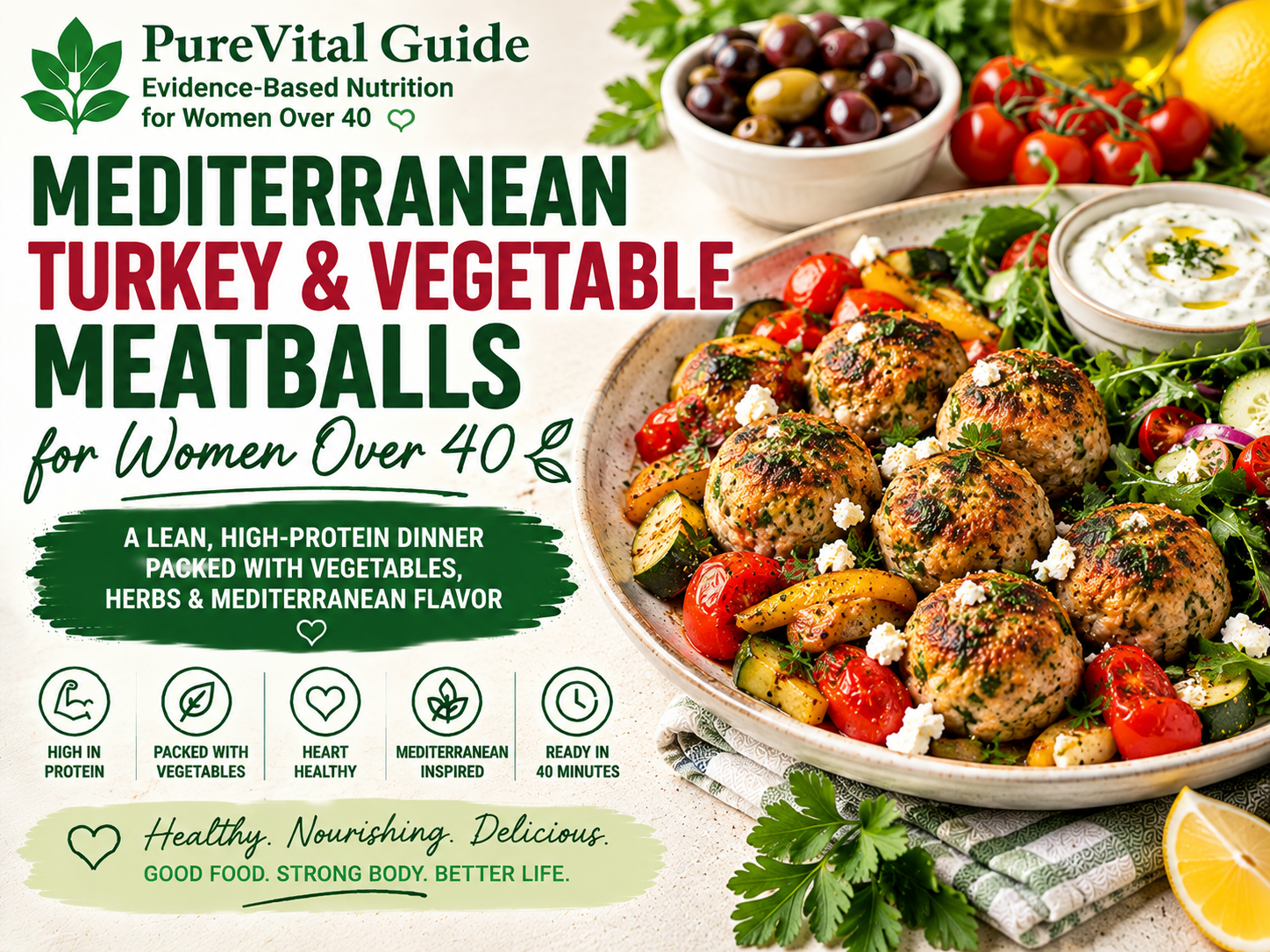
Mediterranean Turkey & Vegetable Meatballs for Women Over 40

Mediterranean Turkey & Vegetable Meatballs for Women Over 40
Looking for an easy dinner that’s high in protein, packed with vegetables, and full of Mediterranean flavor?
These Mediterranean Turkey & Vegetable Meatballs for Women Over 40 are a delicious way to turn lean ground turkey and everyday vegetables into a satisfying, nutrient-rich meal.
Made with zucchini, spinach, herbs, garlic, and lean turkey, these tender meatballs are easy to prepare and work beautifully with a Mediterranean-inspired salad, roasted vegetables, whole grains, or a simple yogurt sauce.
They are also excellent for meal prep, making them a practical choice when you want healthy protein ready to go during a busy week.
Recipe at a Glance
Prep Time: 15 minutes
Cook Time: 20–25 minutes
Total Time: 40 minutes
Servings: 4
Difficulty: Easy
Why You’ll Love These Mediterranean Turkey Meatballs
High in Protein
Lean ground turkey provides a convenient source of high-quality protein, which is an important part of a balanced diet as we get older.
Packed With Vegetables
Zucchini and spinach add vegetables, moisture, color, and nutrients without making the meatballs heavy.
Mediterranean-Inspired
Garlic, parsley, oregano, lemon, and olive oil give these meatballs a fresh Mediterranean flavor.
Easy to Meal Prep
Make a batch on the weekend and enjoy them throughout the week for quick lunches or dinners.
Family-Friendly
The mild flavor makes these meatballs easy to serve to the whole family.
Versatile
Serve them with a salad, quinoa, brown rice, roasted vegetables, whole-grain pita, or a creamy yogurt sauce.
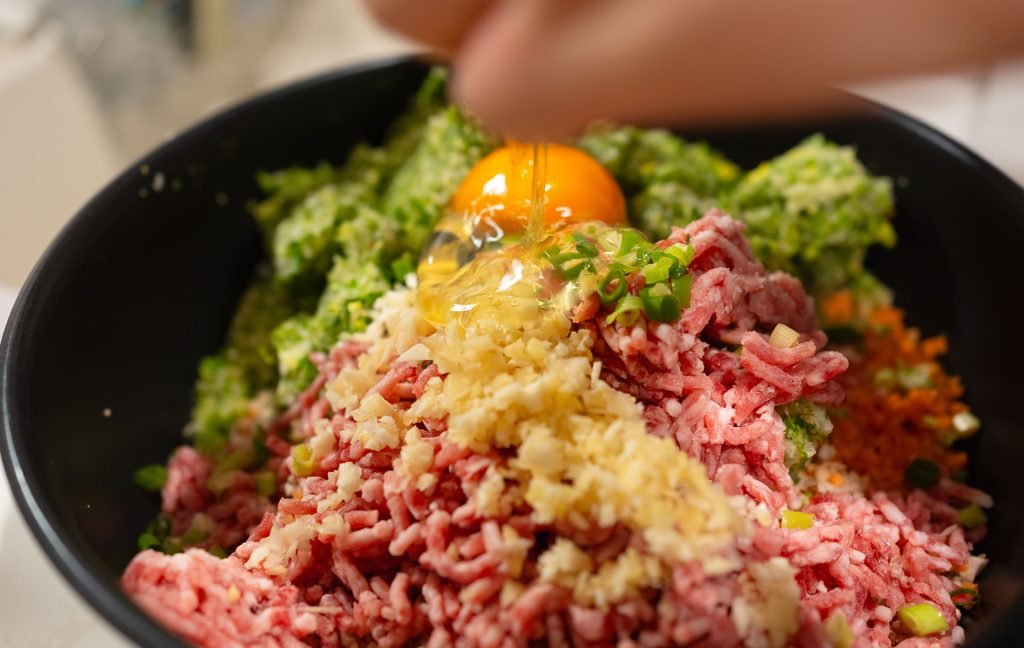
Ingredients
For the Turkey Meatballs
- 1 pound lean ground turkey
- 1 small zucchini, finely grated
- 1 cup baby spinach, finely chopped
- ¼ cup finely chopped red onion
- 2 garlic cloves, minced
- ¼ cup finely chopped fresh parsley
- 1 teaspoon dried oregano
- ½ teaspoon dried thyme
- ½ teaspoon paprika
- ½ teaspoon salt
- ¼ teaspoon black pepper
- 1 large egg
- ½ cup whole-wheat breadcrumbs
- 1 tablespoon extra-virgin olive oil
- 1 teaspoon lemon zest
Optional Mediterranean Yogurt Sauce
- ½ cup plain Greek yogurt
- 1 tablespoon fresh lemon juice
- 1 tablespoon chopped fresh dill
- 1 small garlic clove, finely grated
- Pinch of black pepper
- 1–2 teaspoons water, if needed for consistency
How to Make Mediterranean Turkey & Vegetable Meatballs
Step 1: Prepare the Oven
Preheat your oven to 400°F (200°C).
Line a large baking sheet with parchment paper or lightly grease it with olive oil.
Step 2: Prepare the Zucchini
Grate the zucchini using the large holes of a box grater.
Place it in a clean kitchen towel and gently squeeze out excess moisture.
This step is important because zucchini contains a lot of water.
Removing some of that moisture helps prevent soggy meatballs.
Step 3: Combine the Ingredients
In a large bowl, add:
- Ground turkey
- Zucchini
- Spinach
- Red onion
- Garlic
- Parsley
- Oregano
- Thyme
- Paprika
- Salt
- Black pepper
- Egg
- Breadcrumbs
- Olive oil
- Lemon zest
Gently mix until everything is evenly combined.
Avoid overmixing, which can make the meatballs dense.
Step 4: Shape the Meatballs
Using your hands or a small cookie scoop, form the mixture into approximately 16 meatballs.
Place them evenly on the prepared baking sheet.
Step 5: Bake
Bake for approximately 20–25 minutes, or until the meatballs are cooked through.
Because ground turkey should be fully cooked, use a food thermometer when possible.
The center should reach 165°F (74°C).
Step 6: Make the Yogurt Sauce
While the meatballs are baking, combine the Greek yogurt, lemon juice, dill, garlic, and black pepper in a small bowl.
Add a teaspoon or two of water if you prefer a thinner sauce.
Step 7: Serve
Serve the warm meatballs with the Mediterranean yogurt sauce and your favorite vegetables or whole grain.
Finish with fresh parsley, dill, or a squeeze of lemon.
Approximate Nutrition
Nutrition will vary depending on the exact turkey, breadcrumbs, yogurt, oil, and portion sizes used.
For approximately 4 meatballs, without the optional yogurt sauce, one serving may provide:
- Calories: 300–340
- Protein: 30–34 g
- Carbohydrates: 12–16 g
- Fiber: 2–3 g
- Fat: 13–16 g
These figures are estimates and are not laboratory-tested.
Why These Ingredients Fit a Healthy Diet After 40
Lean Turkey
Turkey is a convenient source of protein and provides nutrients such as vitamin B12, selenium, and niacin.
Protein is especially useful as part of meals designed to support muscle maintenance and overall nutritional adequacy.
Zucchini
Zucchini adds moisture and vegetables to the meatballs while keeping the texture tender.
It also contributes fiber, vitamins, minerals, and water.
Spinach
Spinach provides folate, vitamin K, vitamin A, and other nutrients.
Adding leafy greens to recipes is an easy way to increase vegetable variety.
Extra-Virgin Olive Oil
Extra-virgin olive oil is a staple of Mediterranean-style eating and provides predominantly monounsaturated fat.
Using it in moderation can add flavor while contributing healthy fats to the meal.
Greek Yogurt
Greek yogurt adds protein and creates a creamy sauce without requiring heavy cream.
Choose plain yogurt to keep added sugar low.
What to Serve With Turkey Meatballs
These meatballs are extremely versatile.
Try serving them with:
Mediterranean Salad
Combine cucumber, tomatoes, red onion, parsley, olives, and a simple lemon-olive oil dressing.
Quinoa
Quinoa provides plant-based protein and fiber and makes the meal more substantial.
Roasted Vegetables
Try broccoli, cauliflower, zucchini, bell peppers, or eggplant.
Brown Rice
A simple serving of brown rice can provide whole-grain carbohydrates and additional fiber.
Whole-Grain Pita
Serve the meatballs inside warm whole-grain pita with cucumber, greens, and yogurt sauce.
Cauliflower Rice
For a lighter, vegetable-forward option, serve the meatballs over cauliflower rice with a large salad.
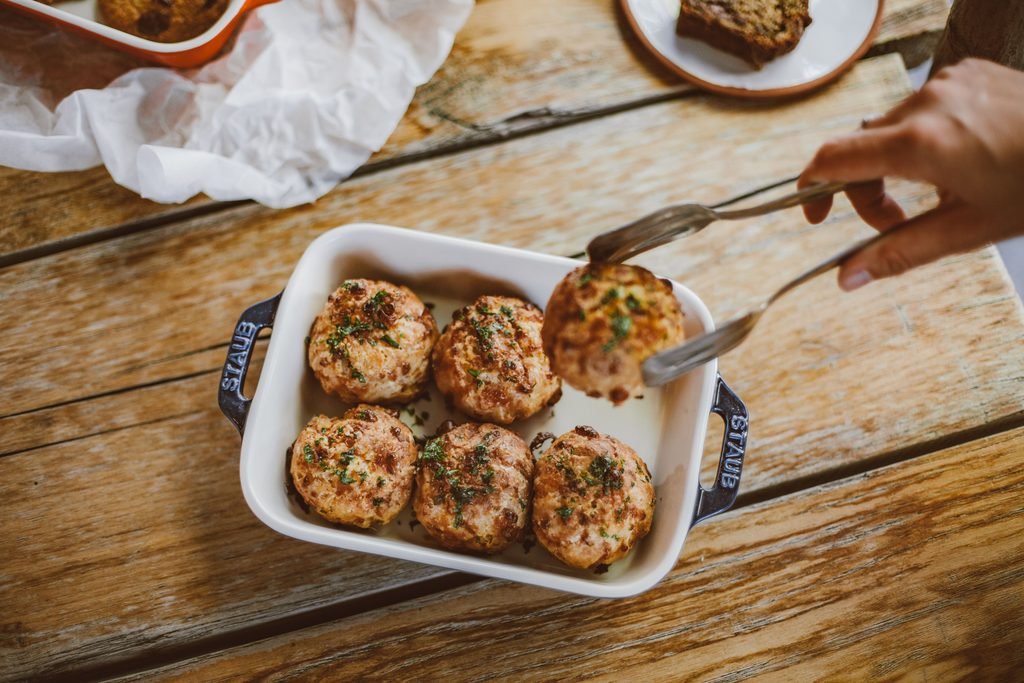
5 Delicious Variations
1. Greek-Style Turkey Meatballs
Add crumbled feta, fresh dill, and a little extra oregano to the mixture.
Serve with cucumber, tomatoes, and tzatziki-style yogurt sauce.
2. Lemon Herb Meatballs
Increase the lemon zest and add fresh dill, parsley, and a squeeze of lemon juice.
These are especially refreshing served with a crisp salad.
3. Spicy Mediterranean Meatballs
Add ¼ teaspoon of red pepper flakes or a small amount of cayenne pepper.
Adjust the heat to your preference.
4. Turkey & Feta Meatballs
Add ¼ cup of crumbled feta to the mixture.
Because feta is salty, reduce the added salt accordingly.
5. Turkey Meatball Bowls
Serve the meatballs over quinoa or brown rice with roasted vegetables, greens, cucumber, and yogurt sauce.
How to Make Them Gluten-Free
Replace the whole-wheat breadcrumbs with one of these options:
- Certified gluten-free breadcrumbs
- Gluten-free oat flour
- Finely ground gluten-free oats
Always check ingredient labels if you need to avoid gluten strictly.
Dairy-Free Option
The meatballs themselves can easily be made dairy-free.
Simply omit the yogurt sauce or replace it with a dairy-free yogurt alternative.
If using feta in a variation, choose a dairy-free alternative or leave it out.
How to Increase the Vegetable Content
You can increase the vegetables without significantly changing the basic recipe.
Try adding:
- Finely grated carrot
- Chopped mushrooms
- Finely chopped bell pepper
- Extra spinach
- Grated yellow squash
Be careful with vegetables that contain a lot of water.
Excess moisture can make the mixture difficult to shape.
Meal Prep and Storage
These turkey meatballs are excellent for meal prep.
Refrigerator
Store cooked meatballs in an airtight container in the refrigerator and use within 3–4 days.
Freezer
Allow the cooked meatballs to cool completely before freezing.
Place them in a freezer-safe container or bag and separate layers with parchment paper if necessary.
Reheating
Reheat until the meatballs are hot throughout.
You can reheat them in the oven, microwave, or skillet.
For best texture, avoid repeatedly reheating the entire batch.
Common Mistakes to Avoid
Not Squeezing the Zucchini
Too much moisture can make the meatball mixture loose and difficult to shape.
Overmixing
Mix the ingredients just until combined.
Overworking ground turkey can result in a firmer, denser texture.
Making Uneven Meatballs
Try to keep the meatballs approximately the same size so they cook evenly.
Overcooking
Turkey meatballs can become dry if cooked significantly longer than necessary.
A food thermometer is the best way to check doneness.
Adding Too Much Breadcrumb
Breadcrumbs help bind the mixture, but excessive amounts can make the meatballs dry.
Frequently Asked Questions
Are turkey meatballs a good source of protein?
Yes. Lean ground turkey can provide a substantial amount of protein in a relatively simple meal.
The exact amount depends on the turkey and serving size.
Can I make these meatballs in an air fryer?
Yes.
Arrange the meatballs in a single layer in an air fryer basket and cook according to your appliance’s instructions, checking the internal temperature to ensure they reach 165°F (74°C).
Cooking times can vary by appliance and meatball size.
Can I use ground chicken instead of turkey?
Absolutely.
Lean ground chicken can be substituted for ground turkey in approximately the same quantity.
The final texture and flavor may vary slightly.
Can I prepare the mixture ahead of time?
Yes.
You can prepare and shape the meatballs ahead of time and keep them refrigerated until you’re ready to cook them.
Are these meatballs suitable for lunch?
Definitely.
Pair them with a large salad and whole grain for a balanced lunch.
They’re also convenient for meal-prep containers.
Can I make smaller meatballs?
Yes.
Smaller meatballs are ideal for appetizers, lunch boxes, or grain bowls.
Just remember that smaller meatballs will require less cooking time.
Always verify that the center reaches 165°F (74°C).
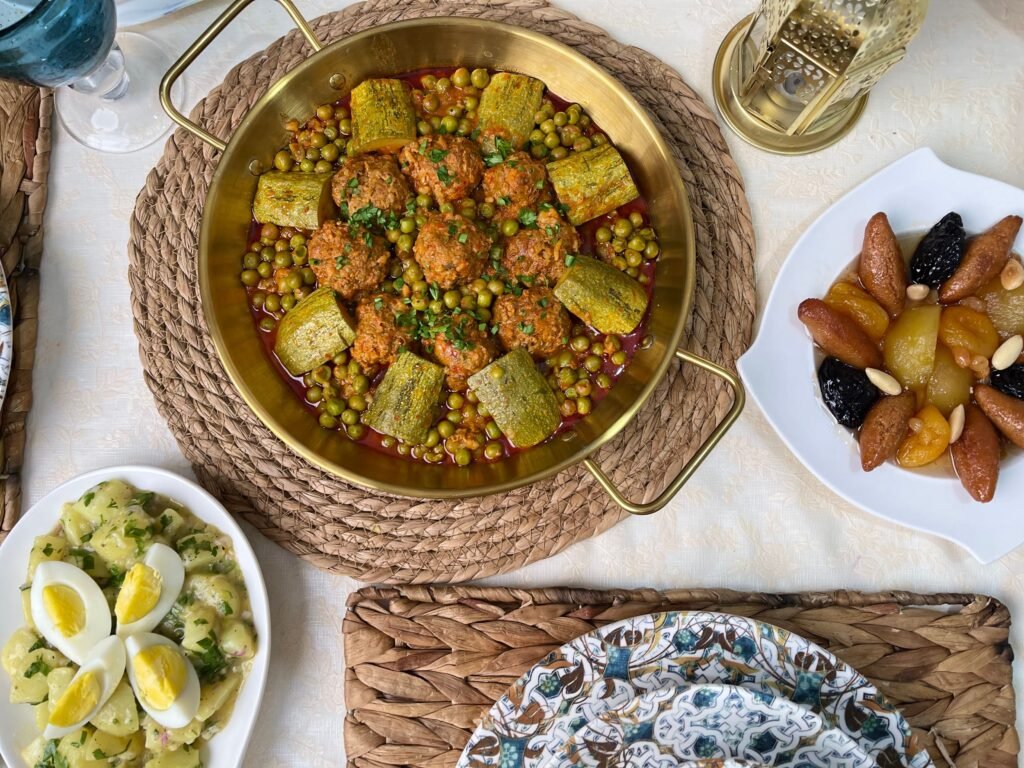
Recipe Card
Mediterranean Turkey & Vegetable Meatballs
Prep: 15 minutes
Cook: 20–25 minutes
Total: 40 minutes
Servings: 4
Difficulty: Easy
Ingredients
- 1 pound lean ground turkey
- 1 small zucchini, grated and squeezed dry
- 1 cup baby spinach, finely chopped
- ¼ cup red onion, finely chopped
- 2 garlic cloves, minced
- ¼ cup fresh parsley
- 1 teaspoon dried oregano
- ½ teaspoon dried thyme
- ½ teaspoon paprika
- ½ teaspoon salt
- ¼ teaspoon black pepper
- 1 large egg
- ½ cup whole-wheat breadcrumbs
- 1 tablespoon extra-virgin olive oil
- 1 teaspoon lemon zest
Instructions
- Preheat oven to 400°F (200°C).
- Grate zucchini and squeeze out excess moisture.
- Combine all meatball ingredients in a large bowl.
- Mix gently until just combined.
- Shape into approximately 16 meatballs.
- Place on a lined baking sheet.
- Bake for 20–25 minutes.
- Check that the internal temperature reaches 165°F (74°C).
- Serve with Mediterranean vegetables, whole grains, or yogurt sauce.
Final Thoughts
Healthy eating after 40 doesn’t need to be complicated.
These Mediterranean Turkey & Vegetable Meatballs combine a convenient protein source with vegetables, herbs, olive oil, and fresh Mediterranean flavors.
They’re easy enough for a weeknight dinner but versatile enough to become part of your weekly meal-prep routine.
For an especially balanced meal, pair them with plenty of vegetables, a source of whole grains, and a simple yogurt-based sauce.
Small, consistent choices like these can make healthy eating more enjoyable—and much easier to maintain over time.
Related Articles
- High-Protein Tuna & White Bean Mediterranean Salad for Women Over 40
- High-Protein Berry Chia Smoothie Bowl for Women Over 40
- High-Protein Mediterranean Chicken & Vegetable Skillet for Women Over 40
- High-Protein Baked Salmon with Roasted Vegetables for Women Over 40
- High-Protein Mediterranean Quinoa Salad for Women Over 40
Medical Disclaimer
This article is for general educational and informational purposes only and is not intended to provide medical advice, diagnosis, or treatment. Individual nutritional needs vary, particularly for people with medical conditions, food allergies, dietary restrictions, or medications that may affect nutrition. Speak with a qualified healthcare professional or registered dietitian for personalized advice.



3 Comments