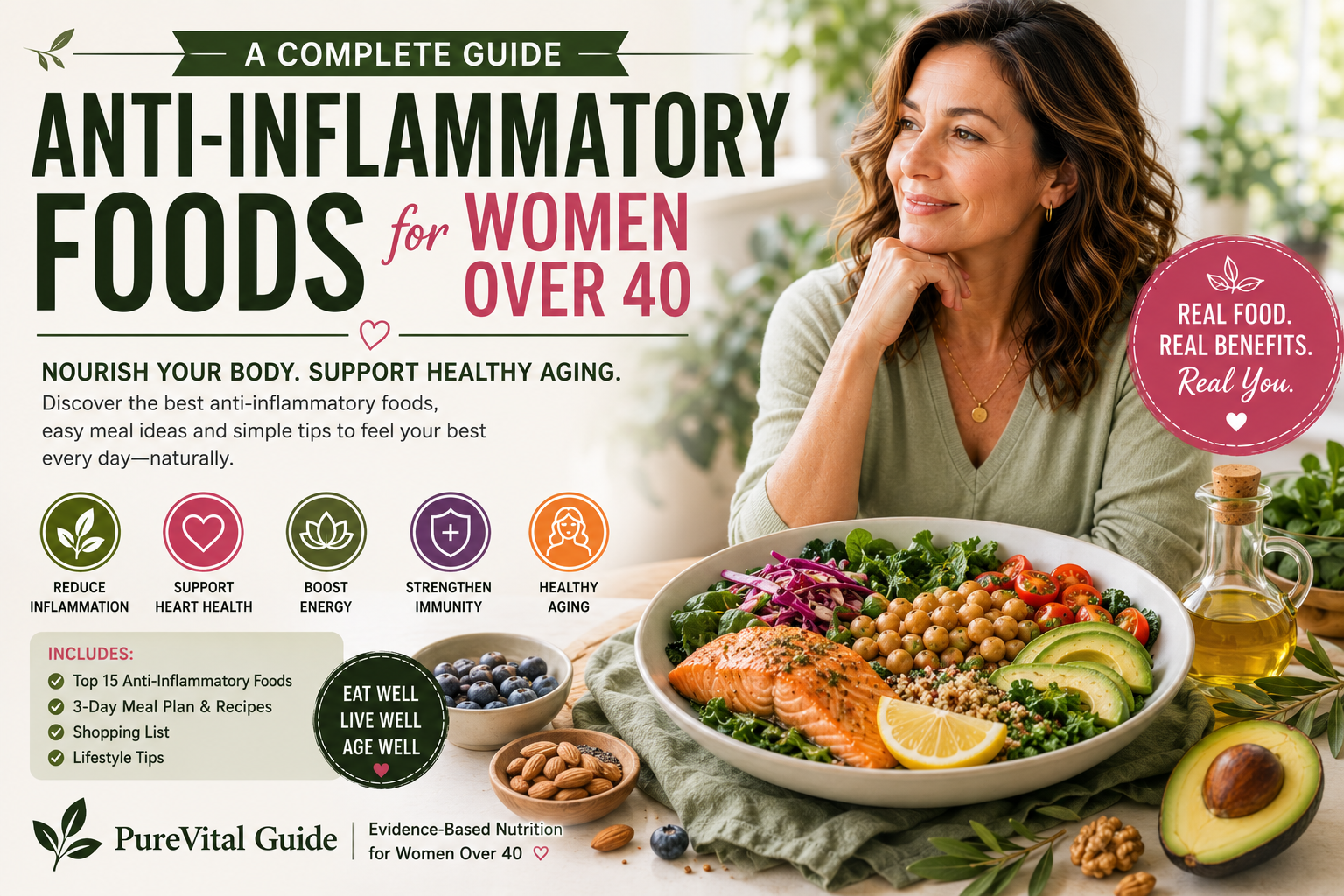
Anti-Inflammatory Foods for Women Over 40: A Complete Guide
Anti-Inflammatory Foods for Women Over 40: A Complete Guide
As women enter their 40s, the body naturally undergoes significant hormonal and metabolic changes. Energy levels may fluctuate, muscle mass gradually declines, and maintaining overall health often requires a more intentional approach to nutrition.
One topic that has received growing attention in recent years is chronic inflammation. While inflammation is a normal part of the body’s healing process, long-term low-grade inflammation has been associated with several chronic health conditions. Although diet alone cannot prevent or treat disease, choosing nutrient-rich foods may help support overall health as part of a healthy lifestyle.
Fortunately, many everyday foods naturally contain vitamins, minerals, fiber, healthy fats, and plant compounds that fit well into an anti-inflammatory eating pattern.
In this guide, you’ll learn what inflammation is, why it becomes increasingly important after age 40, and which foods can help you build a balanced, flavorful diet that supports healthy aging.
Quick Summary
In this article, you’ll discover:
- What inflammation is and why it matters.
- The difference between acute and chronic inflammation.
- Why inflammation may become more relevant after age 40.
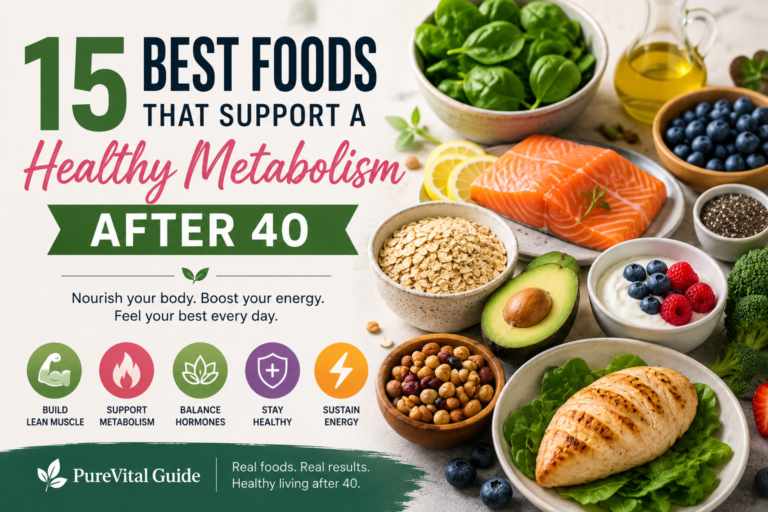
- The 15 best anti-inflammatory foods.
- Foods to limit.
- Lifestyle habits that support overall wellness.
- A simple meal plan.
- Frequently asked questions.
What Is Inflammation?
Inflammation is the body’s natural response to injury, infection, or harmful substances.
When you cut your finger or catch a cold, your immune system triggers inflammation to help protect and repair your body. This short-term response is both normal and necessary.
Problems may arise when inflammation becomes persistent over time. This is often referred to as chronic low-grade inflammation.
Unlike acute inflammation, chronic inflammation usually develops silently and may not cause obvious symptoms in its early stages. Researchers continue to study its relationship with long-term health and aging.
Acute vs. Chronic Inflammation
Understanding the difference is important.
Acute Inflammation
Acute inflammation is short-term and protective.
Examples include:
- Healing after a minor injury
- Recovering from an infection
- Temporary swelling after exercise
This type of inflammation usually resolves once the body has healed.
Chronic Inflammation
Chronic inflammation may persist for months or even years.
It can be influenced by many factors, including:
- Poor dietary patterns
- Physical inactivity
- Smoking
- Chronic stress
- Poor sleep
- Excess body fat
- Certain medical conditions
Healthy lifestyle habits—including a balanced diet, regular physical activity, quality sleep, and stress management—may help support the body’s normal inflammatory processes.
Why Inflammation Matters More After 40
Around midlife, women often experience hormonal shifts associated with perimenopause and menopause.
At the same time, natural age-related changes can affect:
- Muscle mass
- Bone health
- Body composition
- Energy levels
- Cardiovascular health
While these changes are a normal part of aging, adopting healthy eating habits can help support overall wellness during this stage of life.
An anti-inflammatory eating pattern often includes:
- Plenty of colorful vegetables
- Fruits
- Whole grains
- Legumes
- Healthy fats
- Lean proteins
- Herbs and spices
This approach closely resembles the Mediterranean Diet, which has been widely studied for its role in supporting long-term health.
What Makes a Food Anti-Inflammatory?
Rather than one “superfood,” it’s the overall dietary pattern that matters.
Foods commonly included in anti-inflammatory diets tend to provide:
- Fiber
- Omega-3 fatty acids
- Monounsaturated fats
- Antioxidants
- Polyphenols
- Vitamins C and E
- Magnesium
- Potassium
Eating a wide variety of minimally processed foods helps maximize nutrient intake and supports overall health.
The 15 Best Anti-Inflammatory Foods for Women Over 40
No single food can eliminate inflammation on its own. Instead, research suggests that consistently eating a variety of nutrient-dense, minimally processed foods may help support the body’s normal inflammatory response and overall health.
Here are some of the best foods to include in your weekly meal plan.
1. Extra-Virgin Olive Oil
Extra-virgin olive oil is one of the cornerstones of the Mediterranean Diet and is rich in monounsaturated fats and natural polyphenols.
It can be used for:
- Salad dressings
- Roasted vegetables
- Whole-grain dishes
- Homemade vinaigrettes
Choose extra-virgin olive oil whenever possible, as it contains higher levels of beneficial plant compounds than more refined varieties.
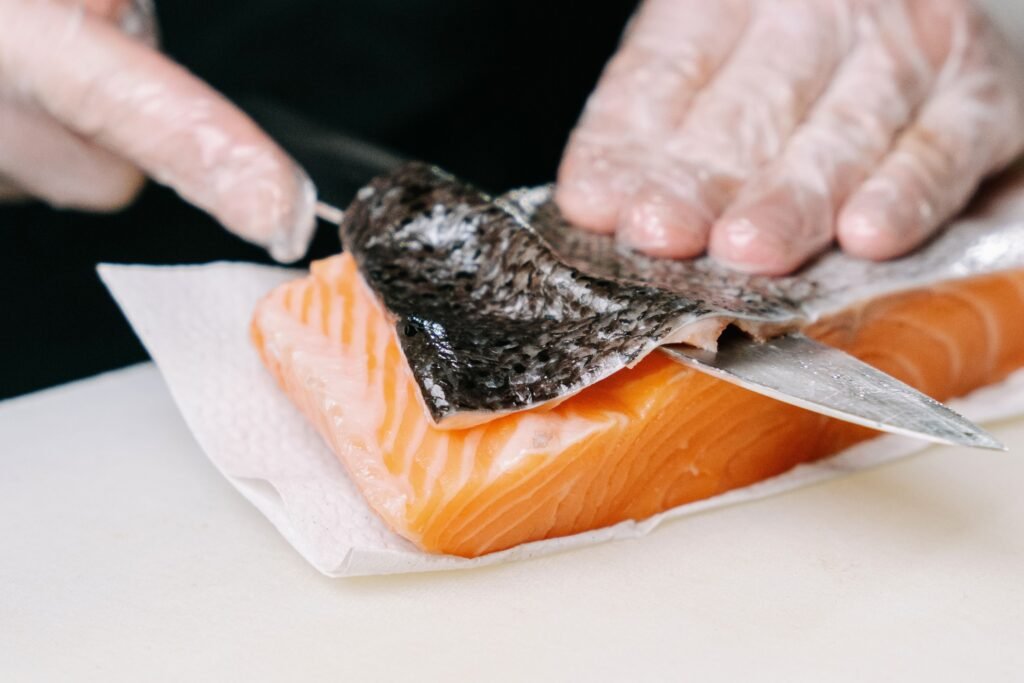
2. Salmon
Salmon is an excellent source of high-quality protein and omega-3 fatty acids (EPA and DHA).
Omega-3 fats have been widely studied for their role in supporting heart health and normal inflammatory processes.
Aim to include fatty fish one to two times per week.
Other good choices include:
- Sardines
- Trout
- Mackerel
- Herring
3. Berries
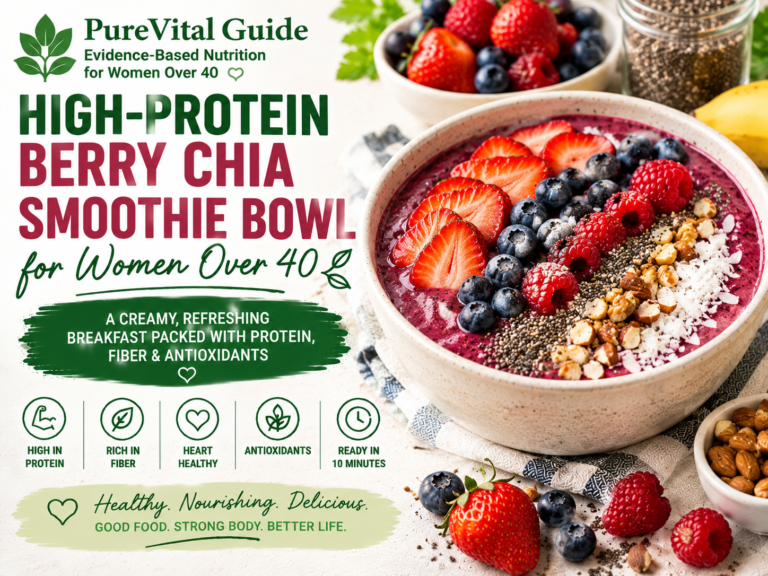
Blueberries, strawberries, raspberries, and blackberries are packed with vitamins, fiber, and colorful plant compounds called anthocyanins.
These naturally occurring antioxidants help protect cells from oxidative stress.
Enjoy berries:
- With Greek yogurt
- In smoothies
- On oatmeal
- As a healthy dessert
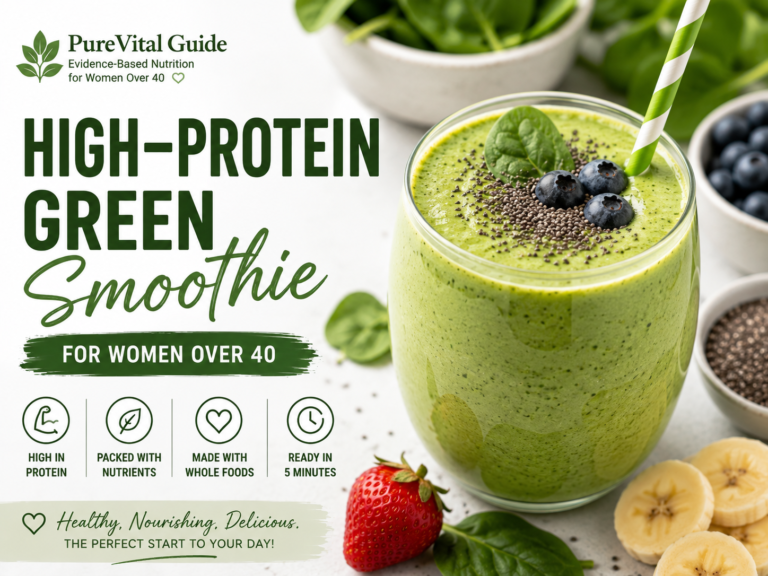
4. Leafy Green Vegetables
Dark leafy greens are nutritional powerhouses.
Excellent choices include:
- Spinach
- Kale
- Swiss chard
- Arugula
- Collard greens
They provide:
- Folate
- Vitamin K
- Vitamin C
- Magnesium
- Fiber
Aim to include leafy greens several times each week.
5. Walnuts
Walnuts are one of the few nuts that naturally contain plant-based omega-3 fats (ALA).
They’re also rich in:
- Fiber
- Healthy fats
- Vitamin E
- Polyphenols
A small handful makes an excellent snack.
6. Avocados
Avocados provide healthy monounsaturated fats, potassium, fiber, and several vitamins.
Try adding sliced avocado to:
- Salads
- Whole-grain toast
- Omelets
- Grain bowls
7. Tomatoes
Tomatoes are rich in vitamin C and lycopene, a naturally occurring antioxidant responsible for their vibrant red color.
Cooking tomatoes with olive oil may increase the availability of lycopene.
Great options include:
- Tomato soup
- Roasted tomatoes
- Fresh salads
- Homemade pasta sauce
8. Beans and Lentils
Legumes are affordable, filling, and incredibly nutritious.
Examples include:
- Chickpeas
- Black beans
- Kidney beans
- Lentils
- Cannellini beans
They’re rich in:
- Plant protein
- Fiber
- Iron
- Magnesium
- Folate
9. Oats
Whole oats provide beta-glucan, a type of soluble fiber that supports digestive and heart health.
Start your day with oatmeal topped with berries, walnuts, and cinnamon for a satisfying breakfast.
10. Green Tea
Green tea contains natural compounds called catechins, which have been extensively researched for their antioxidant properties.
Enjoy one or two cups daily as part of a balanced diet.
11. Broccoli
Broccoli is an excellent source of:
- Vitamin C
- Fiber
- Folate
- Potassium
It also contains sulforaphane, a naturally occurring compound currently being studied for its potential health benefits.
Steam or roast broccoli to preserve both flavor and nutrients.
12. Turmeric
Turmeric contains curcumin, the compound responsible for its bright yellow color.
Curcumin has been widely studied, although its absorption is naturally limited.
Pairing turmeric with black pepper and a source of healthy fat may improve absorption.
Use it in:
- Soups
- Rice dishes
- Roasted vegetables
- Smoothies
- Herbal teas
13. Garlic
Garlic has been used in traditional cuisines around the world for centuries.
It adds flavor while contributing beneficial plant compounds to meals.
Fresh garlic works well in:
- Soups
- Stir-fries
- Salad dressings
- Roasted vegetables
14. Chia Seeds
Despite their small size, chia seeds provide:
- Fiber
- Plant-based omega-3 fats
- Calcium
- Magnesium
They’re easy to add to:
- Yogurt
- Smoothies
- Oatmeal
- Homemade puddings
15. Dark Chocolate
Good news for chocolate lovers!
Dark chocolate with at least 70% cocoa contains naturally occurring flavonoids.
Enjoy it in moderation as part of an overall healthy eating pattern.
A small square after dinner can be a satisfying treat.
Foods That May Promote Inflammation
No food needs to be permanently banned, but regularly consuming highly processed foods may reduce the overall nutritional quality of your diet.
Try to limit:
- Sugar-sweetened beverages
- Candy
- Packaged desserts
- Refined pastries
- Ultra-processed snack foods
- Processed meats
- Deep-fried foods
- Refined grains
- Excess alcohol
Instead of focusing on restriction, aim to make nutrient-rich foods the foundation of most meals.
Healthy Lifestyle Habits That Complement an Anti-Inflammatory Diet
Food is only one piece of the puzzle.
Other habits that support overall health include:
Stay Physically Active
Aim for a combination of:
- Strength training
- Walking
- Cycling
- Swimming
- Stretching
- Balance exercises
Prioritize Sleep
Most adults benefit from approximately 7–9 hours of quality sleep each night.
Manage Stress
Helpful strategies include:
- Meditation
- Deep breathing
- Journaling
- Yoga
- Spending time outdoors
- Connecting with loved ones
Stay Hydrated
Water supports nearly every function in the body.
Keep a reusable water bottle nearby throughout the day.
Avoid Smoking
If you smoke, talk with your healthcare provider about resources that can help you quit.
Even small steps can make a meaningful difference over time.
Anti-Inflammatory Foods for Women Over 40: A Complete Guide | PureVital Guide
3-Day Anti-Inflammatory Meal Plan
This simple meal plan demonstrates how anti-inflammatory foods can fit naturally into your daily routine. It is designed to inspire balanced eating rather than serve as a strict prescription.
Day 1
Breakfast
Greek yogurt topped with blueberries, strawberries, walnuts, and chia seeds.
Morning Snack
An apple with a small handful of almonds.
Lunch
Grilled salmon served over mixed greens with cherry tomatoes, cucumber, avocado, quinoa, and an extra-virgin olive oil and lemon dressing.
Afternoon Snack
Carrot and cucumber sticks with hummus.
Dinner
Roasted chicken breast with broccoli, sweet potato, and steamed asparagus.
Day 2
Breakfast
Old-fashioned oatmeal topped with raspberries, flaxseeds, cinnamon, and chopped walnuts.
Morning Snack
Orange slices with pumpkin seeds.
Lunch
Mediterranean chickpea salad with tomatoes, cucumbers, parsley, feta cheese, olives, and olive oil.
Afternoon Snack
Plain Greek yogurt with fresh berries.
Dinner
Grilled trout with brown rice and roasted Brussels sprouts.
Day 3
Breakfast
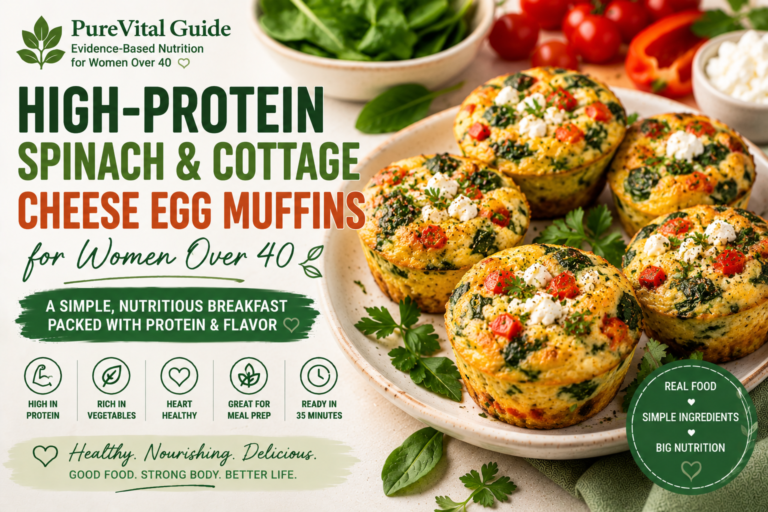
Vegetable omelet with spinach, mushrooms, tomatoes, and whole-grain toast.
Morning Snack
Pear with a handful of pistachios.
Lunch
Lentil soup served with a mixed green salad and whole-grain bread.
Afternoon Snack
Dark chocolate (70% cocoa or higher) with fresh strawberries.
Dinner
Turkey breast with roasted vegetables and quinoa.
Complete Anti-Inflammatory Shopping List
Vegetables
- Spinach
- Kale
- Broccoli
- Brussels sprouts
- Tomatoes
- Cucumbers
- Bell peppers
- Zucchini
- Sweet potatoes
- Carrots
- Garlic
- Onions
- Asparagus
- Mushrooms
Fruits
- Blueberries
- Strawberries
- Raspberries
- Apples
- Pears
- Oranges
- Grapes
- Avocados
- Lemons
Protein Foods
- Salmon
- Trout
- Sardines
- Tuna
- Chicken breast
- Turkey breast
- Eggs
- Greek yogurt
- Cottage cheese
- Lentils
- Chickpeas
- Black beans
Whole Grains
- Oats
- Brown rice
- Quinoa
- Barley
- Whole-grain bread
- Whole-wheat pasta
Healthy Fats
- Extra-virgin olive oil
- Walnuts
- Almonds
- Pistachios
- Pumpkin seeds
- Chia seeds
- Flaxseeds
Herbs & Spices
- Turmeric
- Black pepper
- Cinnamon
- Basil
- Rosemary
- Thyme
- Oregano
- Parsley
- Ginger
Frequently Asked Questions
What is the most anti-inflammatory food?
There isn’t a single “most anti-inflammatory” food. Research suggests that an overall dietary pattern rich in vegetables, fruits, whole grains, legumes, healthy fats, and lean proteins offers the greatest benefits.
Can an anti-inflammatory diet help with menopause?
A nutrient-rich eating pattern may help support overall health during menopause. Combined with regular exercise, quality sleep, and stress management, it can contribute to healthy aging and general well-being.
How long does it take to notice benefits?
Everyone responds differently. Many people find that consistently following healthier eating habits for several weeks improves their energy, meal quality, and overall lifestyle, though individual experiences vary.
Is coffee inflammatory?
Current research suggests that moderate coffee consumption can fit into a healthy eating pattern for most people. The greatest concern often comes from added sugar, flavored syrups, and high-calorie creamers rather than coffee itself.
Can I eat dairy?
Yes. The Mediterranean and anti-inflammatory eating patterns generally include moderate amounts of dairy, particularly minimally processed options such as plain Greek yogurt and fermented dairy products.
Are all carbohydrates bad?
No. Whole-food carbohydrate sources such as oats, quinoa, brown rice, legumes, fruits, and vegetables provide fiber, vitamins, and minerals that support a balanced diet.
Final Thoughts
Healthy aging isn’t about following restrictive diets or searching for a single “superfood.”
Instead, it’s about building consistent habits that nourish your body over time.
An anti-inflammatory eating pattern emphasizes whole, minimally processed foods, colorful fruits and vegetables, healthy fats, lean proteins, legumes, and whole grains—all of which can support overall health and complement an active lifestyle.
Remember that lasting change happens gradually. Start by making one or two small improvements each week:
- Add vegetables to every meal.
- Choose olive oil instead of butter more often.
- Eat fish once or twice a week.
- Replace sugary snacks with fruit and nuts.
- Drink more water.
- Cook more meals at home.
These simple habits can become part of a sustainable routine that supports wellness for years to come.
Scientific References
The information in this article is based on educational resources from internationally recognized health organizations, including:
- Harvard T.H. Chan School of Public Health
- National Institutes of Health (NIH)
- American Heart Association
- Academy of Nutrition and Dietetics
- Mayo Clinic
- Dietary Guidelines for Americans (2025–2030)
Medical Disclaimer
This article is intended for educational purposes only and should not be considered medical advice, diagnosis, or treatment.
Dietary needs vary from person to person. If you have a chronic health condition, food allergies, or are taking medications, consult your physician or a registered dietitian before making significant dietary changes.
Related Articles
Continue exploring evidence-based nutrition with these guides from PureVital Guide:
- The Mediterranean Diet for Women Over 40: A Complete Beginner’s Guide
- How to Boost Your Metabolism After 40 Naturally
- 15 Signs Your Metabolism May Be Slowing Down After 40
- 15 Best Foods That Support a Healthy Metabolism After 40
- Protein After 40: Why Women Need More Than They Think
- 15 Best High-Protein Breakfast Ideas for Women Over 40
- 15 High-Protein Snacks for Women Over 40 That Keep You Satisfied
- How Much Protein Do Women Over 40 Really Need?
- The Best Plant-Based Protein Sources for Women Over 40
- 7-Day High-Protein Meal Plan for Women Over 40
Key Takeaways
- Chronic inflammation is different from the short-term inflammation that helps the body heal.
- A balanced diet rich in vegetables, fruits, legumes, whole grains, healthy fats, and lean proteins can support overall health.
- Foods like salmon, berries, leafy greens, olive oil, beans, walnuts, and oats are excellent additions to an anti-inflammatory eating pattern.
- Lifestyle habits—including regular exercise, quality sleep, hydration, and stress management—work together with healthy eating.
- Small, consistent changes are far more effective than drastic short-term diets.
At PureVital Guide, we believe healthy aging begins with informed choices, sustainable habits, and enjoying real food. Your journey doesn’t have to be perfect—every healthy meal is another step toward a stronger, more vibrant future.
4 Comments