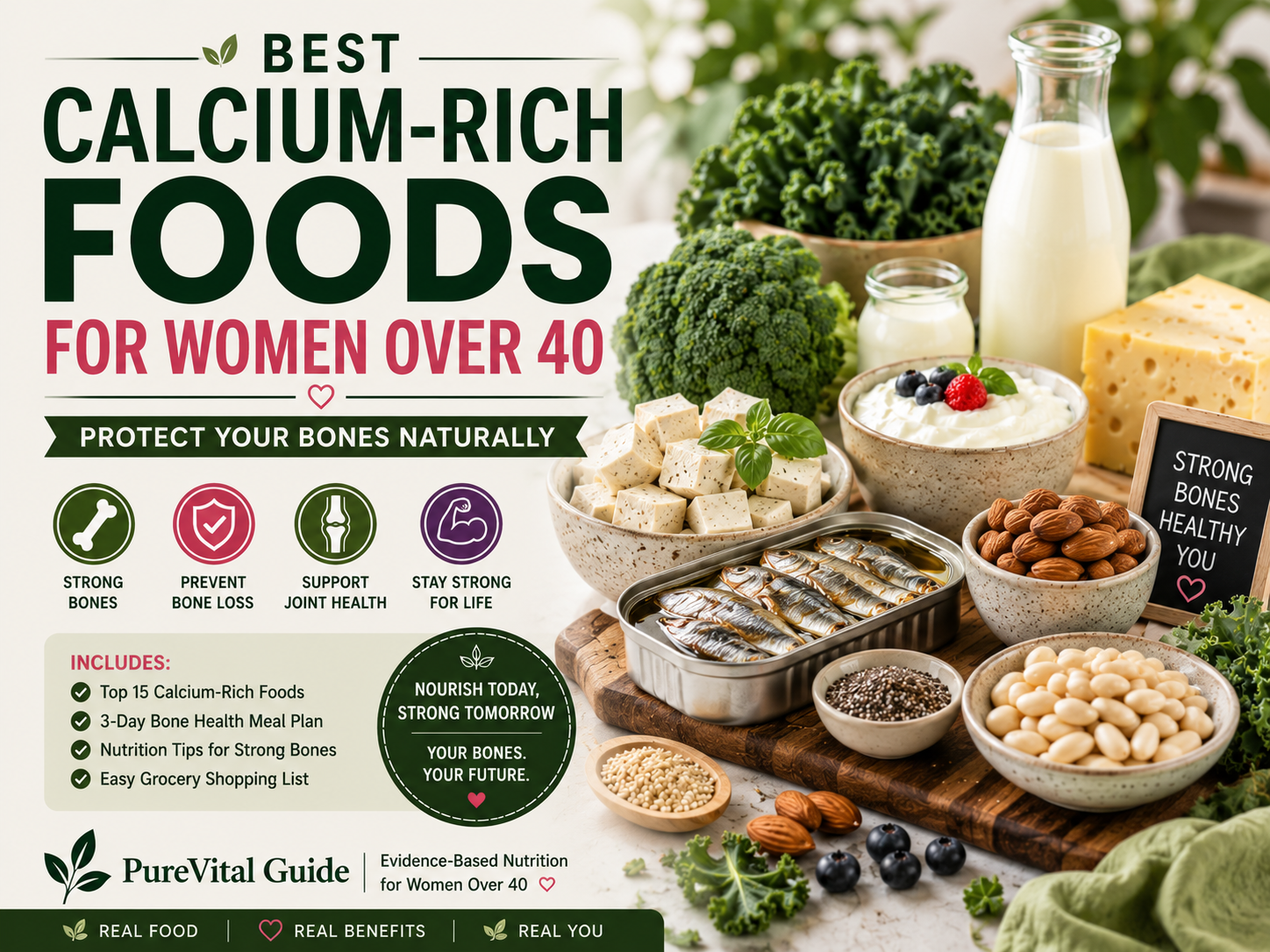
Best Calcium-Rich Foods for Women Over 40: Protect Your Bones Naturally
Last Updated: July 2026
Best Calcium-Rich Foods for Women Over 40: Protect Your Bones Naturally
After the age of 40, many women begin to pay closer attention to their bone health—and for good reason.
Natural hormonal changes, especially during perimenopause and menopause, can gradually affect bone density. While bone loss is a normal part of aging, healthy lifestyle habits—including a balanced diet rich in calcium and other essential nutrients—can help support strong bones throughout life.
Calcium is often the first nutrient people think about when it comes to bone health, but it’s only one part of the picture. Vitamin D, magnesium, vitamin K, regular strength training, and adequate protein intake all play important roles in maintaining healthy bones.
The good news is that many delicious everyday foods naturally provide calcium and other nutrients that support skeletal health.
In this guide, you’ll discover the best calcium-rich foods for women over 40, practical meal ideas, and simple strategies to help protect your bones naturally.
Quick Summary
In this article, you’ll learn:
- Why calcium becomes especially important after 40.
- How much calcium women generally need.
- The best natural food sources of calcium.
- Other nutrients that work alongside calcium.
- Foods that may reduce calcium absorption.
- A simple bone-health meal plan.
- Frequently asked questions.
Why Calcium Matters After 40
Bones are living tissue that are constantly being broken down and rebuilt.
During childhood and early adulthood, the body generally builds bone faster than it loses it. Peak bone mass is typically reached by the late twenties or early thirties.
As women age, especially during menopause, bone remodeling changes and bone loss may occur more quickly because of declining estrogen levels.
Although aging cannot be stopped, healthy habits may help support bone strength over time.
Calcium plays several essential roles in the body, including supporting:
- Bone and teeth structure
- Muscle contraction
- Nerve signaling
- Blood clotting
- Normal heart function
When dietary calcium intake is too low over long periods, the body may draw calcium from bones to maintain normal physiological functions.
For this reason, consistently including calcium-rich foods in your diet is an important part of long-term bone health.
How Much Calcium Do Women Over 40 Need?
Calcium recommendations vary slightly by age and life stage.
According to current dietary guidelines:
- Women ages 19–50: approximately 1,000 mg per day
- Women age 51 and older: approximately 1,200 mg per day
These recommendations include calcium obtained from both food and supplements when necessary.
Whenever possible, health professionals generally encourage meeting nutrient needs through a balanced diet before considering supplementation.
Signs You May Not Be Getting Enough Calcium
Calcium deficiency usually develops gradually.
Many people experience no noticeable symptoms in the early stages.
Over time, inadequate calcium intake may contribute to reduced bone mineral density.
Possible signs that deserve medical evaluation include:
- Frequent bone fractures
- Muscle cramps
- Tingling sensations
- Brittle nails
- Dental concerns
- Fatigue
These symptoms can have many possible causes, so it’s important to speak with a healthcare professional rather than self-diagnosing.
Factors That Affect Bone Health
Calcium is important, but it’s only one piece of the puzzle.
Several lifestyle factors influence bone health, including:
- Regular weight-bearing exercise
- Strength training
- Adequate vitamin D
- Sufficient protein intake
- Magnesium-rich foods
- Avoiding smoking
- Limiting excessive alcohol intake
- Maintaining a healthy body weight
Building strong bones is the result of consistent healthy habits rather than a single nutrient.
The 15 Best Calcium-Rich Foods for Women Over 40
Many foods naturally contain calcium, making it possible to meet daily needs through a varied eating pattern.
Here are some of the best choices.
1. Plain Greek Yogurt
Greek yogurt provides calcium, protein, and probiotics, making it one of the most nutritious foods for women over 40.
Enjoy it with berries, nuts, or chia seeds for a balanced breakfast or snack.
2. Milk
Whether you prefer dairy or fortified plant-based alternatives, milk remains one of the most familiar calcium sources.
Choose unsweetened options whenever possible.
3. Sardines
Sardines with edible bones are naturally rich in calcium and also provide omega-3 fatty acids and vitamin D.
They’re an excellent addition to salads, toast, or whole-grain crackers.
4. Salmon (with Bones)
Canned salmon that includes soft edible bones provides both calcium and high-quality protein.
It’s a convenient pantry staple for quick lunches and dinners.
5. Kale
Unlike some leafy greens, kale contains calcium that is well absorbed by the body.
Add it to smoothies, soups, salads, or sautéed vegetable dishes.
6. Bok Choy
This mild-flavored leafy vegetable provides calcium, vitamin C, and several beneficial plant compounds.
It’s delicious in stir-fries or lightly steamed.
7. Broccoli
Broccoli contributes calcium along with fiber, vitamin C, folate, and antioxidants.
Roasting broccoli enhances its natural sweetness and makes it an easy side dish.
8. Tofu (Calcium-Set)
Many varieties of tofu are prepared using calcium salts, making them an excellent plant-based calcium source.
Check the nutrition label to confirm the calcium content.
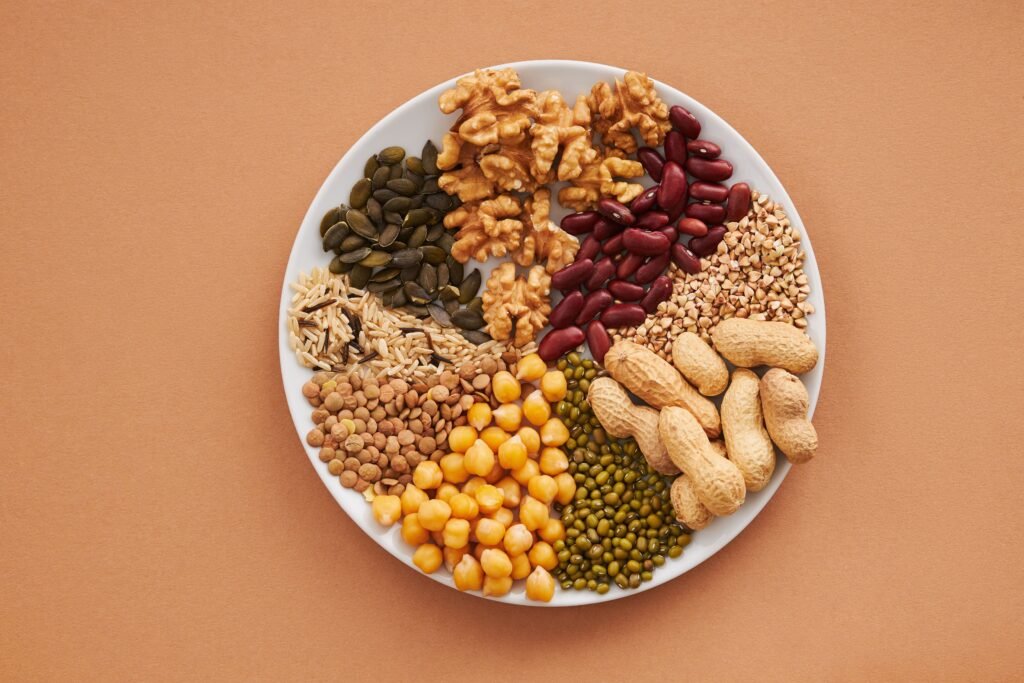
9. White Beans
White beans offer calcium, plant protein, fiber, iron, and magnesium.
They work well in soups, stews, and Mediterranean-inspired salads.
10. Almonds
Almonds provide calcium along with healthy fats, vitamin E, magnesium, and protein.
A small handful makes a satisfying snack.
11. Chia Seeds
These tiny seeds supply calcium, fiber, omega-3 fats, and several important minerals.
They’re easy to sprinkle over yogurt, oatmeal, or smoothies.
12. Fortified Plant-Based Milk
Many almond, soy, and oat beverages are fortified with calcium and vitamin D.
Always compare labels, as nutrient content varies by brand.
13. Cheese
Cheese can contribute meaningful amounts of calcium when enjoyed in moderation.
Options include:
- Parmesan
- Mozzarella
- Swiss cheese
- Cheddar

14. Figs
Fresh and dried figs contain calcium as well as fiber and antioxidants.
Pair dried figs with nuts for a naturally sweet snack.
15. Sesame Seeds and Tahini
Sesame seeds are naturally rich in calcium.
Tahini, made from ground sesame seeds, adds flavor to dressings, hummus, and grain bowls.
Calcium vs. Vitamin D vs. Magnesium: Why They Work Together
When people think about bone health, calcium usually gets all the attention. However, healthy bones depend on a team of nutrients working together—not just one.
Think of calcium as the primary building material for bones, while vitamin D and magnesium help your body use that calcium effectively.
Calcium
Calcium is the most abundant mineral in the human body, and nearly all of it is stored in bones and teeth.
Its primary functions include:
- Building and maintaining bone structure
- Supporting muscle contraction
- Helping nerves communicate
- Assisting normal blood clotting
- Supporting heart function
Meeting your calcium needs consistently is more effective than trying to “catch up” with occasional high-calcium meals.
Vitamin D
Vitamin D plays a critical role because it helps the body absorb calcium from the digestive tract.
Without enough vitamin D, the body cannot efficiently utilize the calcium you consume.
Sources include:
- Safe sun exposure (when appropriate)
- Fatty fish such as salmon and sardines
- Egg yolks
- Fortified dairy products
- Fortified plant-based beverages
Some individuals may require supplements, but these should only be taken under the guidance of a healthcare professional.
Magnesium
Magnesium supports hundreds of biochemical reactions throughout the body, including those involved in bone health.
Good food sources include:
- Pumpkin seeds
- Almonds
- Cashews
- Spinach
- Black beans
- Oats
- Brown rice
- Avocados
Many magnesium-rich foods are also rich in fiber and other beneficial nutrients.
Vitamin K
Vitamin K often receives less attention, but it also contributes to normal bone metabolism.
Foods naturally rich in vitamin K include:
- Kale
- Spinach
- Broccoli
- Brussels sprouts
- Swiss chard
Including a variety of leafy green vegetables throughout the week is an easy way to obtain this nutrient.
Foods That May Affect Calcium Absorption
You don’t need to eliminate any specific food, but certain dietary habits may reduce calcium absorption or increase calcium loss when consumed in excess.
Examples include:
High Sodium Intake
Diets consistently high in sodium may increase calcium excretion through urine.
Choose fresh foods more often than heavily processed meals.
Excess Added Sugar
A diet high in sugary drinks and ultra-processed desserts often displaces more nutrient-dense foods.
Focus on naturally sweet options like fruit whenever possible.
Excessive Alcohol
Heavy alcohol consumption has been associated with poorer bone health.
Moderation is key.
Excess Soft Drinks
Some sugar-sweetened beverages may replace milk or other calcium-rich drinks in the diet.
Water, milk, or fortified plant-based beverages are healthier everyday choices.
Very Low-Protein Diets
Protein supports both muscles and bones.
Aim to include a source of protein with each meal.
3-Day Bone Health Meal Plan
Day 1
Breakfast
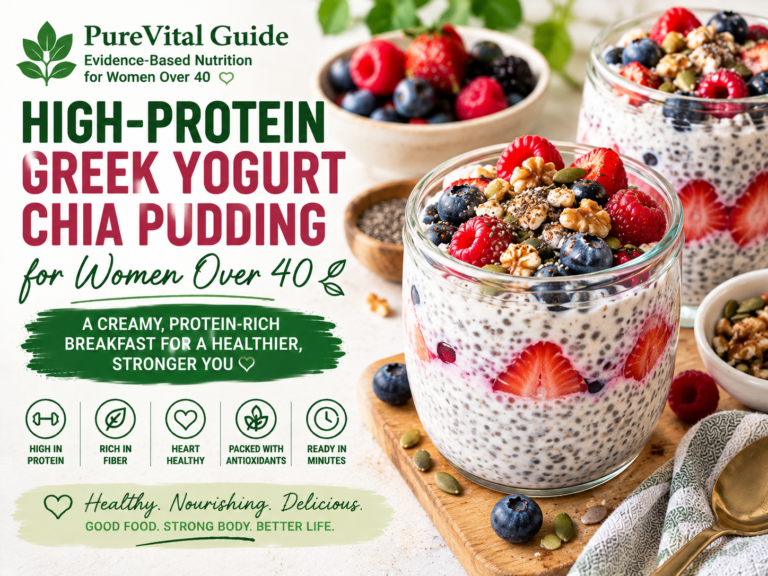
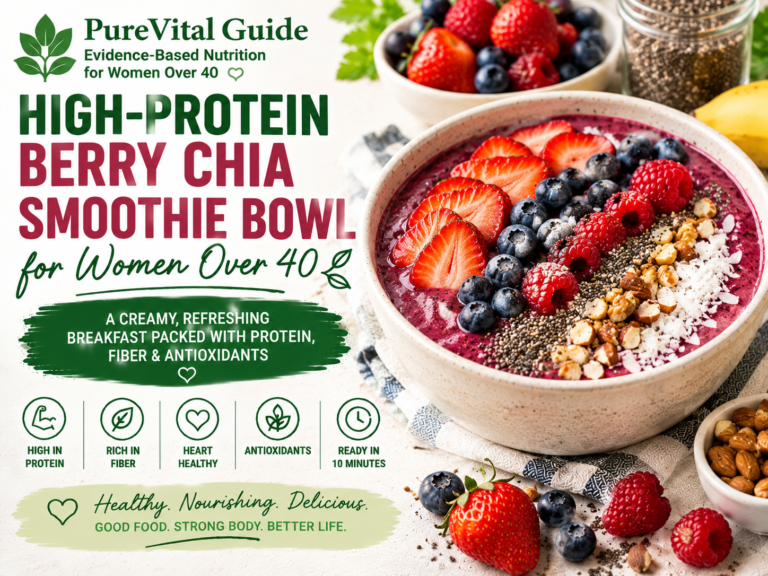
Greek yogurt with blueberries, almonds, chia seeds, and cinnamon.
Morning Snack
Fresh figs with walnuts.
Lunch
Grilled salmon with quinoa, broccoli, and mixed greens.
Afternoon Snack
Carrot sticks with hummus.
Dinner
Grilled chicken breast, roasted sweet potatoes, and sautéed kale.
Day 2
Breakfast
Vegetable omelet with spinach, mushrooms, and whole-grain toast.
Morning Snack
Apple with almond butter.
Lunch
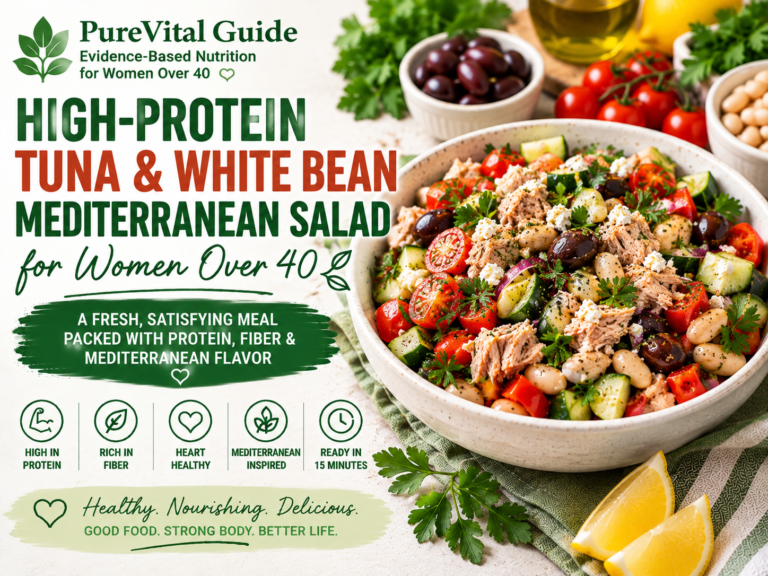
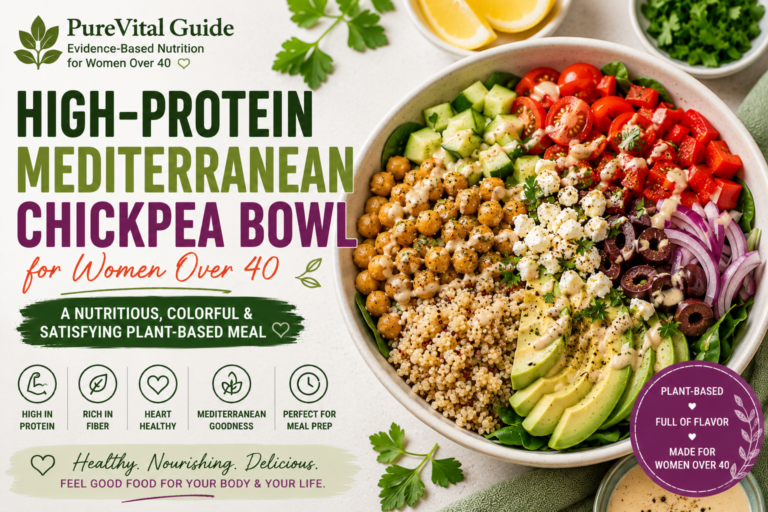
White bean salad with tomatoes, cucumbers, parsley, olive oil, and feta cheese.
Afternoon Snack
Plain Greek yogurt with strawberries.
Dinner
Baked sardines served with roasted vegetables and brown rice.
Day 3
Breakfast
Overnight oats prepared with fortified soy milk, chia seeds, berries, and chopped walnuts.
Morning Snack
Orange slices with pumpkin seeds.
Lunch
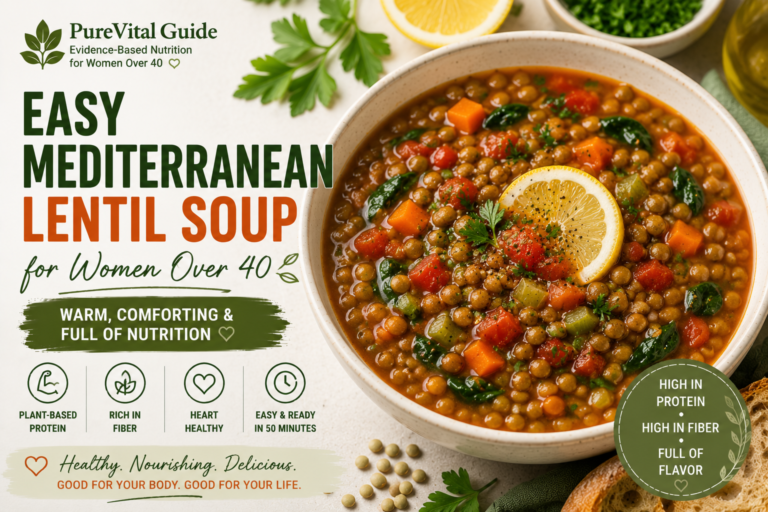
Mediterranean lentil soup with whole-grain bread.
Afternoon Snack
Cottage cheese with blueberries.
Dinner
Tofu stir-fry with broccoli, bok choy, bell peppers, and brown rice.
Complete Bone Health Shopping List
Vegetables
- Kale
- Spinach
- Broccoli
- Bok choy
- Brussels sprouts
- Bell peppers
- Carrots
- Mushrooms
- Sweet potatoes
- Tomatoes
- Cucumbers
Fruits
- Blueberries
- Strawberries
- Apples
- Oranges
- Figs
- Avocados
- Lemons
Protein Foods
- Greek yogurt
- Cottage cheese
- Eggs
- Salmon
- Sardines
- Chicken breast
- Tofu
- White beans
- Lentils
Whole Grains
- Oats
- Brown rice
- Quinoa
- Whole-grain bread
Healthy Fats
- Extra-virgin olive oil
- Almonds
- Walnuts
- Pumpkin seeds
- Chia seeds
- Sesame seeds
Frequently Asked Questions
What food has the most calcium?
Dairy products are among the richest natural sources of calcium. However, canned sardines with edible bones, calcium-set tofu, fortified plant-based beverages, leafy greens, and sesame seeds can also contribute significantly.
Can I get enough calcium without dairy?
Yes. Many people meet their calcium needs through foods such as tofu, fortified plant-based milk, leafy green vegetables, beans, sesame seeds, and certain fish.
Should women over 40 take calcium supplements?
Not necessarily.
Many women can meet their calcium needs through food alone. Supplements may be appropriate in some situations, but they should only be used after consulting a healthcare professional.
Is vitamin D as important as calcium?
Yes.
Vitamin D supports calcium absorption, making both nutrients important for maintaining healthy bones.
Does exercise help strengthen bones?
Absolutely.
Weight-bearing activities and resistance training stimulate bones and muscles, supporting bone strength as part of a healthy lifestyle.
Examples include:
- Walking
- Hiking
- Dancing
- Tennis
- Strength training
- Stair climbing
Final Thoughts
Strong bones are built over a lifetime—not in a single meal.
For women over 40, eating a variety of calcium-rich foods while also paying attention to vitamin D, magnesium, protein, and regular physical activity can help support bone health as the years go by.
Rather than relying on one “superfood,” focus on creating balanced meals filled with whole, nutrient-dense ingredients.
Small daily habits can make a meaningful difference over time.
Try these simple steps:
- Include a calcium-rich food at each meal.
- Eat leafy green vegetables several times a week.
- Choose protein with every meal.
- Spend time being physically active.
- Prioritize sleep and overall wellness.
- Discuss your bone health with your healthcare provider during regular checkups.
Healthy aging is about consistency—not perfection.
Scientific References
The information in this article is based on educational resources from respected health organizations, including:
- Harvard T.H. Chan School of Public Health
- National Institutes of Health (NIH)
- Office of Dietary Supplements (ODS)
- Academy of Nutrition and Dietetics
- Mayo Clinic
- International Osteoporosis Foundation
- Dietary Guidelines for Americans (2025–2030)
Medical Disclaimer
This article is intended for educational purposes only and should not be considered medical advice, diagnosis, or treatment.
Individual nutrient needs vary based on age, medical history, medications, and lifestyle. Consult your physician or a registered dietitian before making significant dietary changes or starting supplements.
Related Articles
Continue learning about healthy aging with these guides from PureVital Guide:
- The Mediterranean Diet for Women Over 40: A Complete Beginner’s Guide
- Anti-Inflammatory Foods for Women Over 40: A Complete Guide
- Protein After 40: Why Women Need More Than They Think
- How Much Protein Do Women Over 40 Really Need?
- The Best Plant-Based Protein Sources for Women Over 40
- 7-Day High-Protein Meal Plan for Women Over 40
- 15 Best Foods That Support a Healthy Metabolism After 40
Key Takeaways
- Calcium is essential for maintaining strong bones, but it works best alongside vitamin D, magnesium, vitamin K, and adequate protein.
- Dairy foods are excellent calcium sources, but many plant-based foods and certain fish also provide meaningful amounts.
- Weight-bearing exercise and strength training are important partners to good nutrition for lifelong bone health.
- A varied, balanced diet is more effective than relying on a single nutrient or food.
- Consistent healthy habits today can help support mobility, independence, and quality of life in the years ahead.
3 Comments