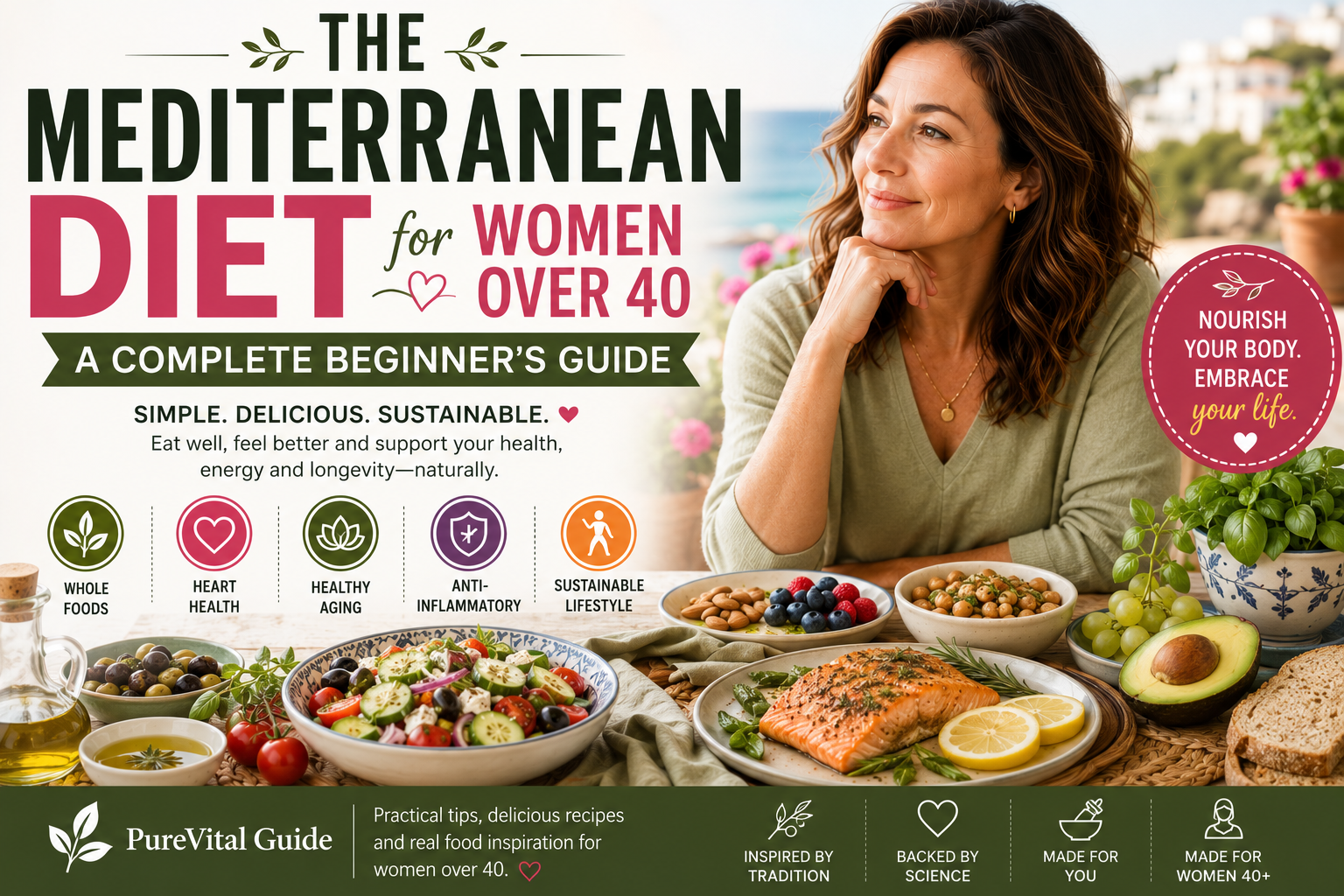
The Mediterranean Diet for Women Over 40: A Complete Beginner’s Guide
The Mediterranean Diet for Women Over 40: A Complete Beginner’s Guide
If you’ve ever searched for the healthiest eating pattern in the world, you’ve probably come across the Mediterranean Diet.
Unlike trendy diets that eliminate entire food groups or promise rapid weight loss, the Mediterranean Diet focuses on balance, variety, and long-term health.
For women over 40, this way of eating can be especially appealing. During midlife, many women experience changes in metabolism, muscle mass, hormone levels, and heart health. Choosing nutrient-rich foods and sustainable eating habits can help support overall wellness during this stage of life.
The Mediterranean Diet isn’t about counting calories or following strict rules. Instead, it’s inspired by the traditional eating habits of countries bordering the Mediterranean Sea, where meals often center around vegetables, fruits, legumes, whole grains, olive oil, fish, and shared family meals.
In this complete beginner’s guide, you’ll learn what the Mediterranean Diet is, why it’s considered one of the healthiest eating patterns in the world, and how you can start incorporating its principles into your everyday routine.
Quick Summary
Here’s what you’ll learn in this guide:
- What the Mediterranean Diet is.
- Why it can be a great choice for women over 40.
- The key foods that make up this eating pattern.
- Health benefits supported by research.
- Practical tips for getting started.
- Easy meal ideas.
- Common myths.
- Frequently asked questions.
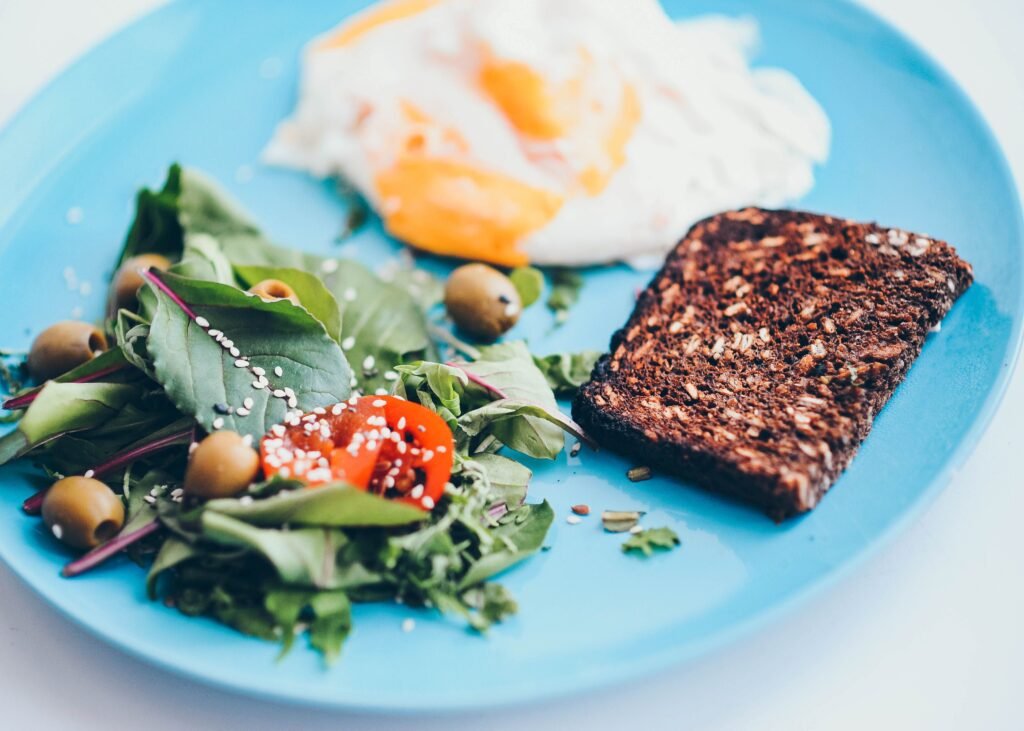
What Is the Mediterranean Diet?
The Mediterranean Diet is not a strict “diet” in the traditional sense.
It’s a long-term eating pattern inspired by the traditional cuisines of countries such as Greece, Italy, and parts of Spain.
Rather than focusing on restrictions, it emphasizes whole, minimally processed foods and balanced meals.
Key characteristics include:
- Plenty of vegetables
- Fresh fruit
- Whole grains
- Legumes
- Nuts and seeds
- Olive oil as the primary added fat
- Fish and seafood several times per week
- Moderate amounts of dairy foods
- Limited highly processed foods
- Limited sugary drinks and sweets
Physical activity, enjoying meals with others, and mindful eating are also considered important parts of the Mediterranean lifestyle.
Why Is It Especially Beneficial After 40?
As women move through their 40s and beyond, nutritional needs often shift.
Hormonal changes during perimenopause and menopause can affect body composition, bone health, sleep, and energy levels.
While no eating pattern can prevent aging, a balanced dietary approach may help support long-term health.
The Mediterranean Diet naturally includes foods rich in:
- Fiber
- Healthy fats
- High-quality protein
- Antioxidants
- Vitamins
- Minerals
It also encourages eating a wide variety of colorful plant foods, which contribute many beneficial nutrients.
10 Potential Benefits of the Mediterranean Diet
1. Supports Heart Health
The Mediterranean Diet emphasizes foods that are naturally rich in unsaturated fats, including olive oil, nuts, seeds, and fatty fish.
Combined with plenty of vegetables and whole grains, this eating pattern has been widely studied for its association with heart health.
2. Encourages a High Intake of Vegetables
Vegetables provide fiber, vitamins, minerals, and numerous plant compounds.
Aim to fill at least half your plate with colorful vegetables whenever possible.
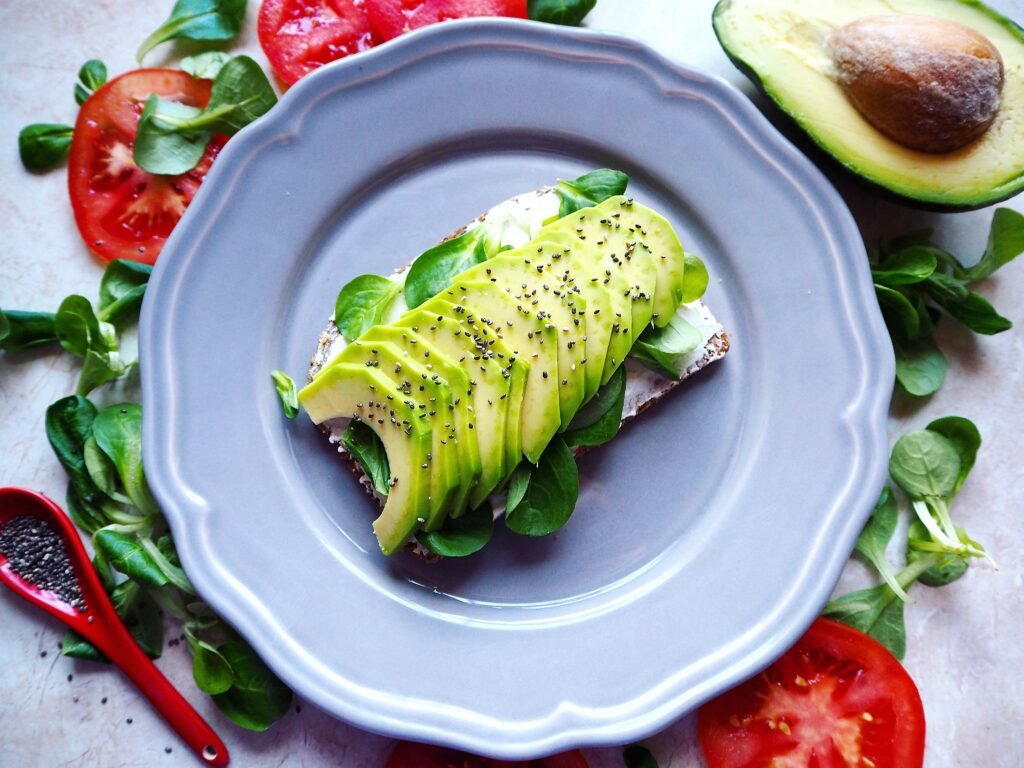
3. Provides Healthy Fats
Unlike diets that eliminate fat completely, the Mediterranean Diet focuses on healthier fat sources.
Examples include:
- Extra-virgin olive oil
- Avocados
- Walnuts
- Almonds
- Pistachios
- Seeds
These foods can be included as part of a balanced eating pattern.
4. Includes Lean Protein
Protein becomes increasingly important with age.
The Mediterranean Diet encourages a variety of protein sources, including:
- Fish
- Seafood
- Beans
- Lentils
- Chickpeas
- Greek yogurt
- Eggs
- Poultry
This variety helps support a balanced nutrient intake.
5. Naturally Rich in Fiber
Fiber supports digestive health and contributes to feelings of fullness after meals.
Good Mediterranean sources include:
- Vegetables
- Fruit
- Legumes
- Oats
- Whole grains
- Nuts
- Seeds
6. Encourages Home Cooking
Preparing meals at home gives you more control over ingredients, cooking methods, and portion sizes.
Simple homemade meals don’t have to be complicated.
Many Mediterranean-inspired recipes take less than 30 minutes to prepare.
7. Supports Healthy Aging
The Mediterranean Diet is often associated with an overall healthy lifestyle.
Regular movement, social meals, and a varied eating pattern all contribute to long-term well-being.
8. Promotes Variety
No single food provides every nutrient your body needs.
One of the strengths of this eating pattern is its diversity.
Rather than eating the same foods every day, aim for a colorful mix of vegetables, fruits, grains, legumes, nuts, seeds, and protein sources throughout the week.
9. Flexible and Sustainable
Many restrictive diets are difficult to maintain over time.
The Mediterranean Diet allows flexibility while encouraging healthier food choices.
This makes it easier for many people to turn healthy eating into a long-term habit rather than a short-term challenge.
10. Focuses on Enjoying Food
One of the most appealing aspects of the Mediterranean lifestyle is that meals are meant to be enjoyed—not rushed.
Sharing meals with family or friends, eating slowly, and appreciating food can all contribute to a more positive relationship with eating.

The Core Foods of the Mediterranean Diet
Building Mediterranean-style meals starts with choosing nutrient-dense, minimally processed foods.
Vegetables
Aim to include a variety of colorful vegetables every day, such as:
- Spinach
- Kale
- Broccoli
- Tomatoes
- Bell peppers
- Zucchini
- Eggplant
- Cucumbers
- Carrots
- Leafy greens
Fruits
Fresh fruit is commonly enjoyed as a snack or dessert.
Great options include:
- Apples
- Berries
- Oranges
- Grapes
- Peaches
- Pears
- Figs
- Pomegranates
Whole Grains
Replace refined grains with whole-grain choices whenever possible.
Examples:
- Oats
- Brown rice
- Quinoa
- Whole-wheat bread
- Barley
- Farro
Legumes
Beans and lentils are Mediterranean staples.
Include foods such as:
- Chickpeas
- Lentils
- Black beans
- Cannellini beans
- Kidney beans
They’re rich in fiber, plant protein, and important minerals.
Healthy Fats
Extra-virgin olive oil is the signature fat of the Mediterranean Diet.
Other nutritious options include:
- Walnuts
- Almonds
- Pistachios
- Chia seeds
- Flaxseeds
- Pumpkin seeds
- Avocados
These foods help create satisfying meals while adding flavor and texture.
Fish and Seafood
Fish is encouraged several times per week.
Excellent choices include:
- Salmon
- Sardines
- Trout
- Tuna
- Mackerel
- Shrimp
These foods provide high-quality protein and beneficial omega-3 fatty acids.
Dairy Foods
The Mediterranean Diet includes moderate amounts of dairy.
Examples include:
- Plain Greek yogurt
- Cottage cheese
- Traditional cheeses in moderation
Choose minimally processed options whenever possible.
Herbs and Spices
Flavor meals with herbs and spices instead of relying heavily on salt.
Popular Mediterranean flavors include:
- Basil
- Oregano
- Rosemary
- Thyme
- Garlic
- Parsley
- Mint
- Black pepper
- Cinnamon
Fresh herbs add both flavor and visual appeal to meals.
Simple Ways to Start Today
You don’t need to completely change your diet overnight.
Start with one or two habits, such as:
- Replace butter with extra-virgin olive oil.
- Add one extra serving of vegetables to lunch or dinner.
- Choose fruit instead of sugary desserts a few times each week.
- Eat beans or lentils at least once a week.
- Include fish in your meal plan regularly.
- Snack on nuts instead of chips.
Small changes practiced consistently often lead to lasting results.
How to Build the Perfect Mediterranean Plate
One of the reasons the Mediterranean Diet is so easy to follow is that it doesn’t require counting calories or memorizing complicated rules.
Instead, focus on building balanced meals using simple proportions.
Fill Half Your Plate with Vegetables
Aim for a colorful variety, such as:
- Leafy greens
- Broccoli
- Bell peppers
- Tomatoes
- Cucumbers
- Zucchini
- Carrots
- Eggplant
Different colors provide different vitamins, minerals, and beneficial plant compounds.
Choose a Lean Protein
Include one high-quality protein source, such as:
- Salmon
- Sardines
- Trout
- Chicken breast
- Turkey
- Eggs
- Greek yogurt
- Lentils
- Chickpeas
- Beans
- Tofu
Protein helps support muscle maintenance, especially after age 40.
Add Whole Grains
Instead of refined grains, choose options like:
- Brown rice
- Quinoa
- Barley
- Farro
- Whole-wheat pasta
- Whole-grain bread
Whole grains provide fiber, vitamins, and minerals that support overall health.
Include Healthy Fats
Healthy fats are a signature feature of the Mediterranean Diet.
Good choices include:
- Extra-virgin olive oil
- Avocados
- Walnuts
- Almonds
- Pistachios
- Pumpkin seeds
- Chia seeds
Rather than avoiding fat altogether, focus on choosing nutrient-rich sources.

Foods to Limit
The Mediterranean Diet doesn’t label foods as “forbidden,” but it encourages limiting foods that are highly processed or high in added sugars.
Examples include:
- Sugar-sweetened beverages
- Candy
- Pastries
- Highly processed snack foods
- Processed meats
- Fast food
- Refined grains
- Foods high in added sugars
Enjoying these foods occasionally can still fit within an overall balanced eating pattern.
3-Day Mediterranean Meal Plan
Day 1
Breakfast
Greek yogurt with berries, walnuts, and chia seeds.
Morning Snack
Apple with a handful of almonds.
Lunch
Grilled chicken salad with spinach, tomatoes, cucumber, olives, quinoa, and olive oil vinaigrette.
Afternoon Snack
Carrot sticks with hummus.
Dinner
Baked salmon with roasted broccoli, brown rice, and a mixed green salad.
Day 2
Breakfast
Oatmeal topped with blueberries, flaxseed, and chopped walnuts.
Morning Snack
Plain Greek yogurt.
Lunch
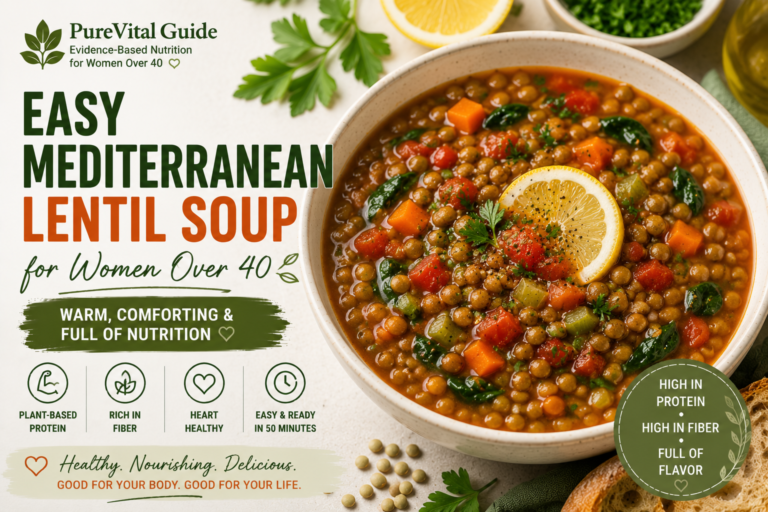
Lentil soup with a slice of whole-grain bread and a side salad.
Afternoon Snack
Fresh pear with a few pistachios.
Dinner
Grilled shrimp with quinoa, roasted zucchini, bell peppers, and asparagus.
Day 3
Breakfast
Veggie omelet with spinach, mushrooms, tomatoes, and whole-grain toast.
Morning Snack
Orange slices with pumpkin seeds.
Lunch
Mediterranean chickpea salad with cucumbers, tomatoes, parsley, feta cheese, and olive oil.
Afternoon Snack
Cottage cheese with strawberries.
Dinner
Grilled chicken breast with roasted vegetables and barley.
Easy Mediterranean Recipes
Mediterranean Chickpea Salad
Ingredients
- Chickpeas
- Cherry tomatoes
- Cucumber
- Red onion
- Parsley
- Olive oil
- Lemon juice
- Black pepper
Instructions
Combine all ingredients in a large bowl and toss gently.
Serve chilled.
Greek Yogurt Berry Bowl
Ingredients
- Plain Greek yogurt
- Mixed berries
- Chia seeds
- Walnuts
- Cinnamon
Mix everything together and enjoy as a quick breakfast or snack.
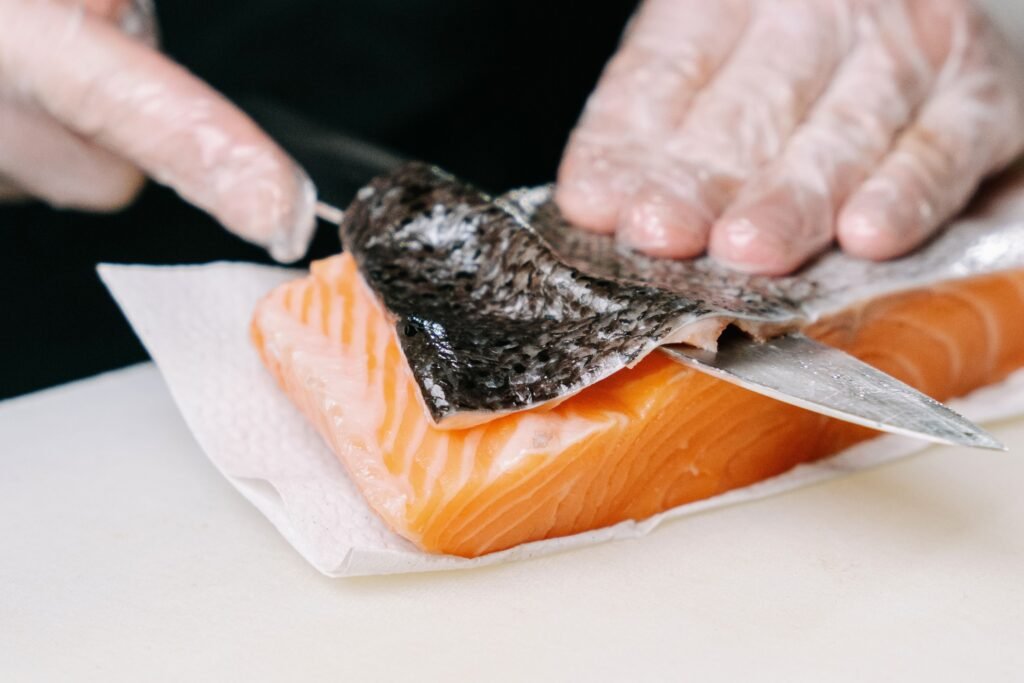
Lemon Herb Salmon
Ingredients
- Salmon fillets
- Olive oil
- Garlic
- Lemon
- Dill
- Black pepper
Bake until the salmon flakes easily with a fork.
Serve with roasted vegetables.
Mediterranean Grocery List
Vegetables
- Spinach
- Kale
- Broccoli
- Tomatoes
- Cucumbers
- Bell peppers
- Zucchini
- Eggplant
- Carrots
- Onions
- Garlic
Fruits
- Apples
- Oranges
- Pears
- Grapes
- Blueberries
- Strawberries
- Lemons
Protein Foods
- Salmon
- Tuna
- Chicken breast
- Turkey
- Eggs
- Greek yogurt
- Cottage cheese
- Lentils
- Chickpeas
- Beans
- Shrimp
- Tofu
Whole Grains
- Brown rice
- Quinoa
- Oats
- Barley
- Whole-grain bread
- Whole-wheat pasta
Healthy Fats
- Extra-virgin olive oil
- Avocados
- Almonds
- Walnuts
- Pistachios
- Pumpkin seeds
- Chia seeds
- Flaxseeds
Herbs & Spices
- Basil
- Oregano
- Rosemary
- Thyme
- Dill
- Parsley
- Garlic powder
- Cinnamon
- Black pepper
Common Mediterranean Diet Myths
Myth 1: You Must Eat Fish Every Day
Not true.
Fish is encouraged regularly, but legumes, poultry, eggs, dairy, and plant-based proteins also play important roles.
Myth 2: The Mediterranean Diet Is Expensive
It doesn’t have to be.
Beans, lentils, oats, seasonal vegetables, frozen produce, and canned fish can all make this eating pattern budget-friendly.
Myth 3: It’s Only About Olive Oil
Olive oil is important, but it’s just one part of the overall lifestyle.
The true strength of the Mediterranean Diet lies in its variety, balance, and emphasis on whole foods.
Frequently Asked Questions
Is the Mediterranean Diet good for women over 40?
Research suggests that Mediterranean-style eating patterns can support overall health and fit well into a healthy lifestyle for many women after 40.
Can the Mediterranean Diet help with weight management?
It may support healthy weight management when combined with appropriate portion sizes, regular physical activity, adequate sleep, and other healthy lifestyle habits.
Can vegetarians follow the Mediterranean Diet?
Absolutely.
Beans, lentils, tofu, whole grains, nuts, and seeds provide many nutritious plant-based options.
Is olive oil healthier than butter?
Extra-virgin olive oil is rich in monounsaturated fats and is a key component of the Mediterranean Diet. Both can fit into a balanced diet, but olive oil is generally the preferred added fat in this eating pattern.
Is wine required?
No.
Despite common misconceptions, drinking alcohol is not necessary to follow a Mediterranean eating pattern.
Final Thoughts
The Mediterranean Diet isn’t a short-term challenge or a restrictive eating plan.
It’s a practical, flexible, and enjoyable way of eating that emphasizes real food, variety, and balance.
For women over 40, adopting Mediterranean-inspired habits can be a simple way to support healthy aging while enjoying delicious meals.
You don’t need to change everything overnight.
Start with small steps:
- Cook more meals at home.
- Add vegetables to every meal.
- Replace refined grains with whole grains.
- Choose healthy fats.
- Include fish or plant-based proteins regularly.
- Enjoy meals slowly and mindfully.
Remember, lasting health is built through consistent habits—not perfection.
At PureVital Guide, our mission is to help women make informed, practical choices that support lifelong wellness.
Scientific References
The information in this article is based on educational resources from respected health organizations, including:
- Harvard T.H. Chan School of Public Health
- National Institutes of Health (NIH)
- American Heart Association
- Academy of Nutrition and Dietetics
- Mayo Clinic
- Dietary Guidelines for Americans
Medical Disclaimer
This article is intended for educational and informational purposes only.
It should not be considered medical advice, diagnosis, or treatment.
Individual nutritional needs vary. Always consult a qualified healthcare professional or registered dietitian before making significant changes to your diet, especially if you have a medical condition or specific dietary requirements.
Related Articles
Continue exploring healthy eating with these PureVital Guide resources:
- How to Boost Your Metabolism After 40 Naturally
- 15 Best Foods That Support a Healthy Metabolism After 40
- Protein After 40: Why Women Need More Than They Think
- How Much Protein Do Women Over 40 Really Need?
- 15 Best High-Protein Breakfast Ideas for Women Over 40
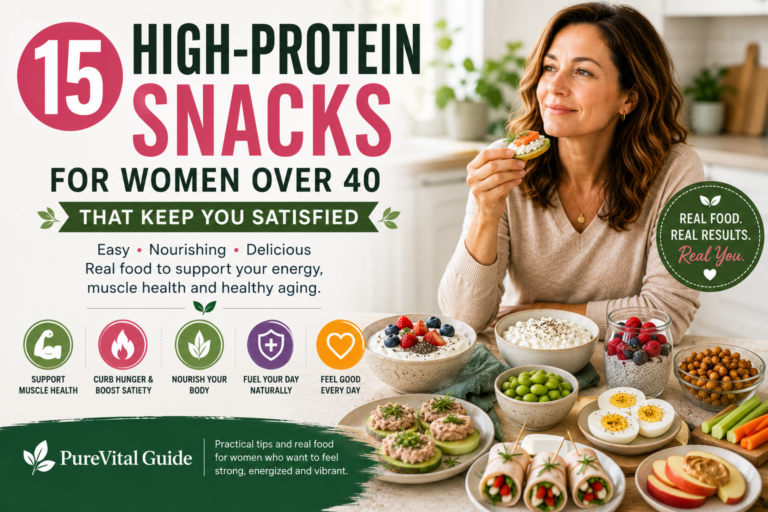
- 15 High-Protein Snacks for Women Over 40 That Keep You Satisfied
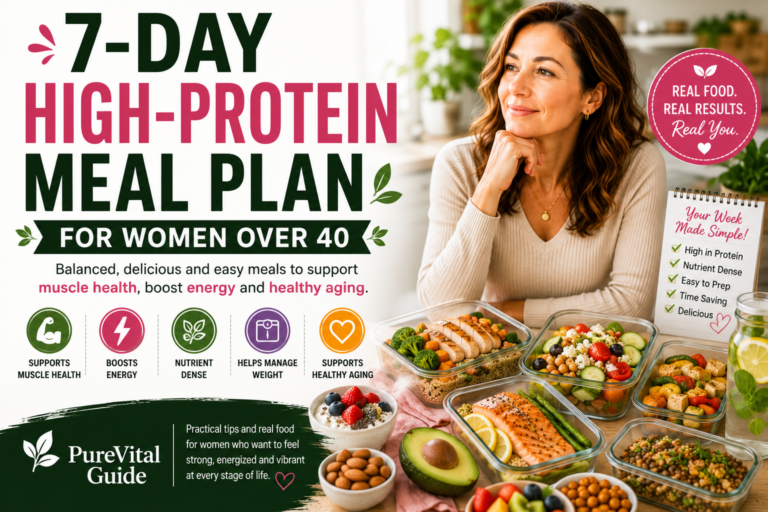
- 7-Day High-Protein Meal Plan for Women Over 40
- The Best Plant-Based Protein Sources for Women Over 40

7 Comments