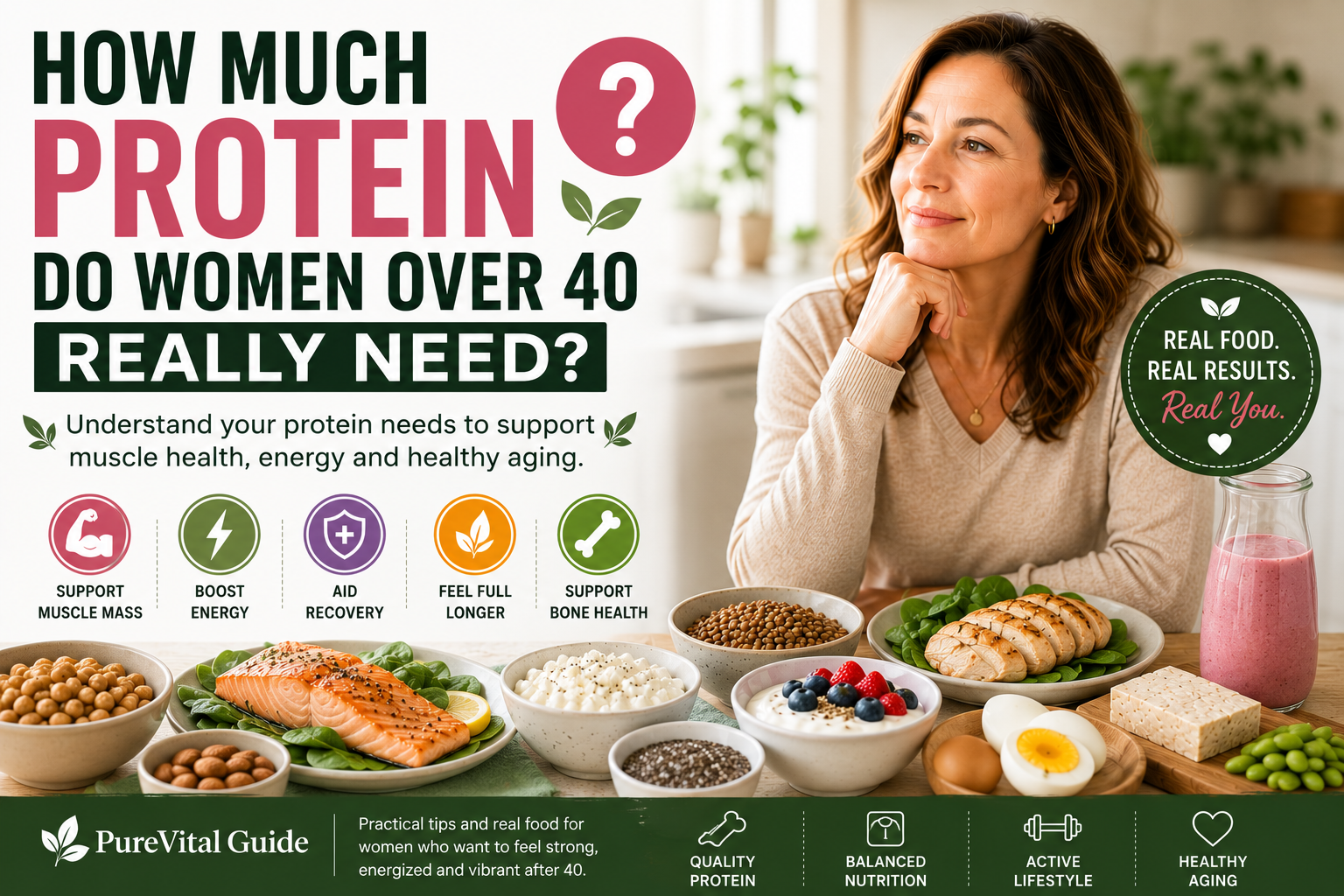
How Much Protein Do Women Over 40 Really Need?
How Much Protein Do Women Over 40 Really Need?
Last Updated: July 2026
If you’ve been reading about healthy aging, you’ve probably noticed one nutrient comes up again and again: protein.
From preserving muscle mass to supporting recovery after exercise, protein plays an important role throughout life. But once women reach their 40s, many begin asking the same question:
Am I eating enough protein?
The answer isn’t the same for everyone.
Your ideal protein intake depends on several factors, including your age, body weight, activity level, overall health, and personal goals. While there’s no one-size-fits-all number, understanding how protein supports your body can help you make informed food choices.
In this guide, you’ll learn why protein needs change with age, what influences your daily requirements, and practical ways to include enough protein in your meals—without overcomplicating your diet.
Quick Summary
- Protein supports muscle maintenance, recovery, and healthy aging.
- Individual protein needs vary.
- Body weight, physical activity, and overall health all influence daily requirements.
- Spreading protein throughout the day may be beneficial.
- Whole foods should be your primary protein source whenever possible.
Why Protein Matters More After 40
As we age, our bodies naturally undergo changes that affect muscle mass and strength.
Beginning in midlife, many women gradually lose lean muscle tissue—a normal part of aging that can influence mobility, balance, and physical function over time.
Regular resistance exercise and an eating pattern that includes adequate protein can help support muscle maintenance.
Protein also plays a role in:
- Building and repairing body tissues
- Supporting immune function
- Producing enzymes and hormones
- Maintaining healthy skin, hair, and nails
- Promoting satiety after meals
Rather than thinking of protein as a nutrient only for athletes, it’s helpful to view it as an important part of everyday healthy eating.
Is There a Recommended Daily Amount?
General nutrition guidelines provide a Recommended Dietary Allowance (RDA) for protein for healthy adults. However, some experts suggest that older adults or physically active individuals may benefit from different intake levels depending on their individual circumstances.
Your protein needs may be influenced by:
- Body weight
- Physical activity level
- Muscle-building goals
- Recovery from illness or injury
- Medical conditions
- Pregnancy or breastfeeding
If you’re unsure about your personal protein needs, a registered dietitian or healthcare professional can provide individualized guidance.
Signs You May Not Be Eating Enough Protein
Low protein intake isn’t always easy to recognize, but some people may notice:
- Feeling hungry soon after meals
- Difficulty maintaining muscle strength
- Slower recovery after exercise
- Low energy
- Hair or nail changes
- Increased fatigue
These symptoms can have many possible causes, so they should never be used to diagnose a protein deficiency on their own.
Best High-Protein Foods
The easiest way to meet your protein needs is by including a source of protein in each meal.
Excellent animal-based options include:
- Eggs
- Greek yogurt
- Cottage cheese
- Chicken breast
- Turkey
- Salmon
- Tuna
- Lean beef
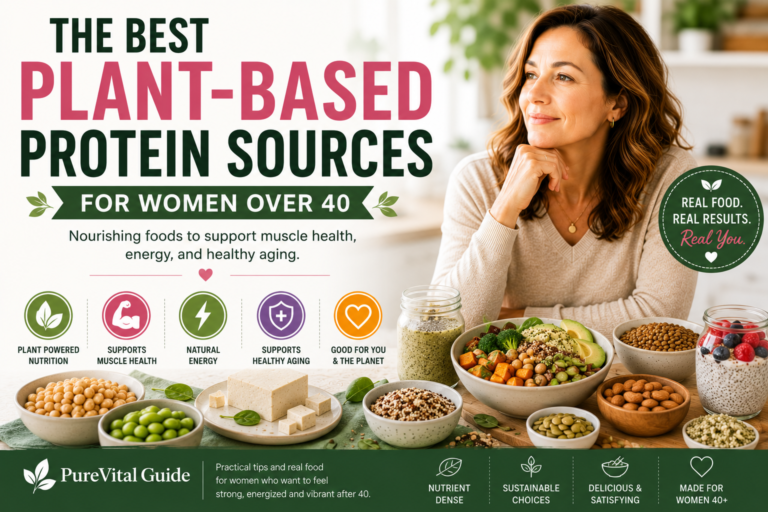
Plant-based choices include:
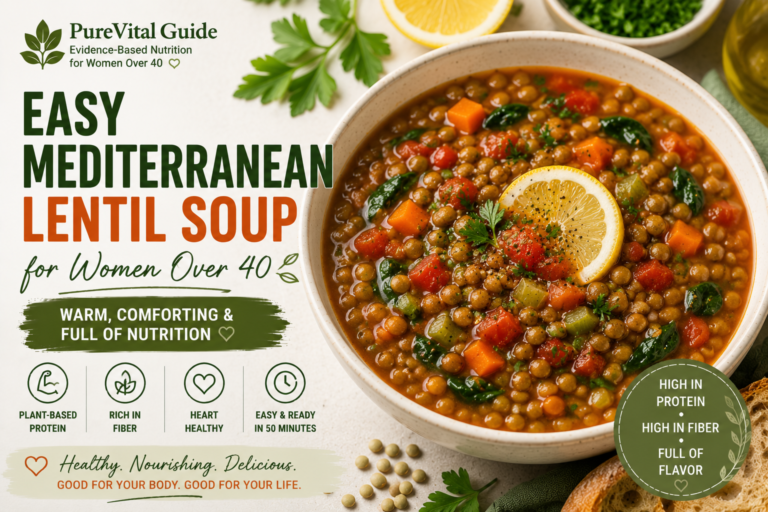
- Lentils
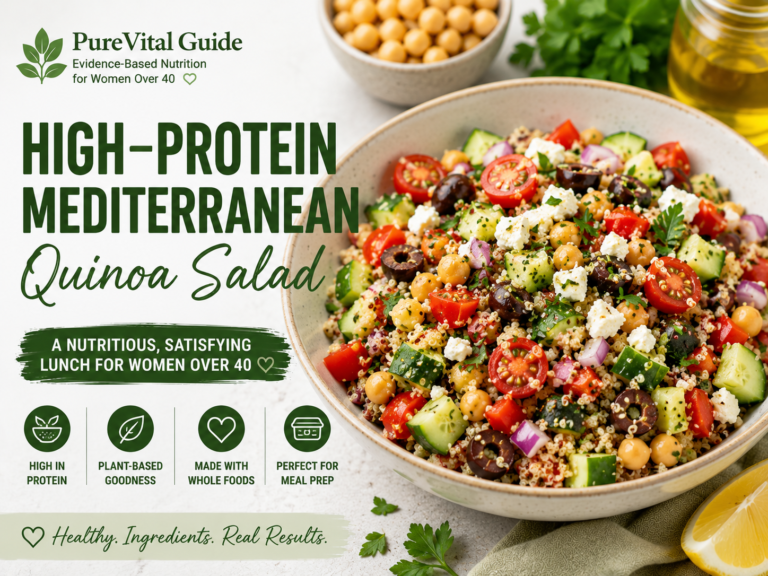
- Chickpeas
- Black beans
- Edamame
- Tofu
- Tempeh
- Quinoa
- Hemp seeds
- Chia seeds
Eating a variety of protein sources can also provide other valuable nutrients.
Should You Eat Protein at Every Meal?
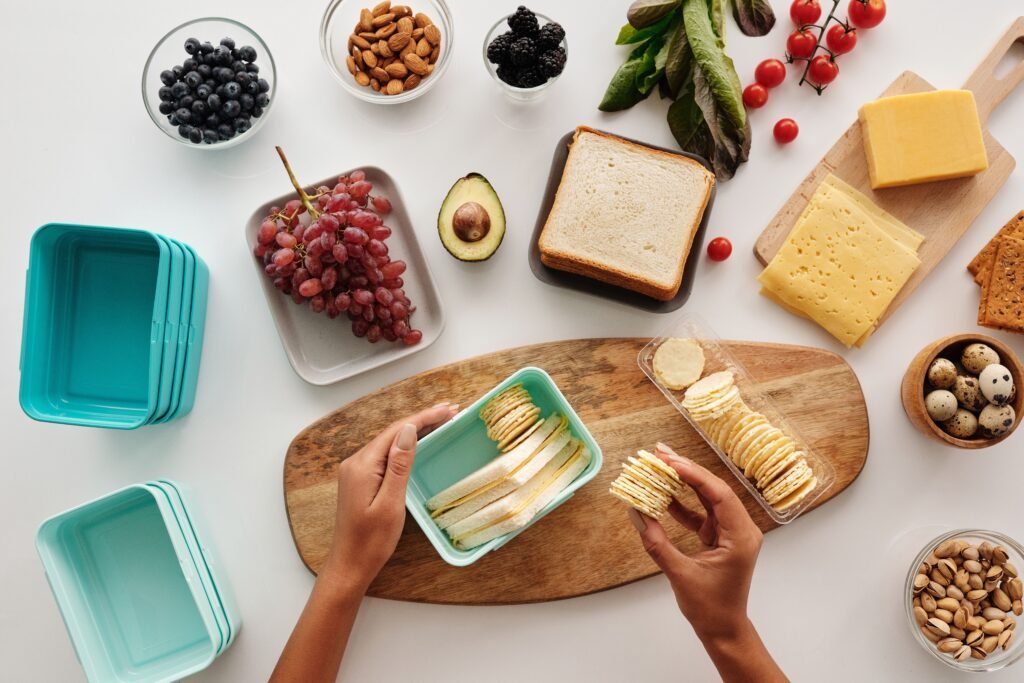
Many nutrition professionals recommend spreading protein intake throughout the day rather than consuming most of it at dinner.
For example:
Breakfast
Greek yogurt with berries and chia seeds.
Lunch
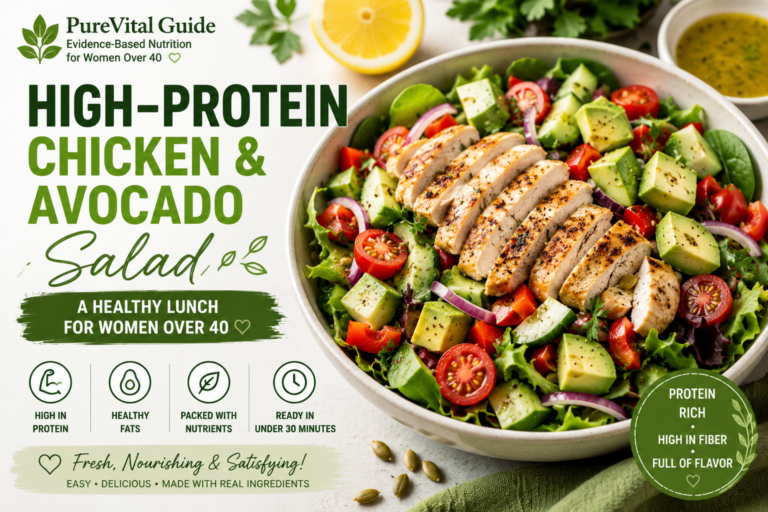
Grilled chicken salad with quinoa.
Afternoon Snack
Cottage cheese with fruit.
Dinner
Baked salmon with roasted vegetables and brown rice.
This approach may help support muscle protein synthesis while making meals more satisfying.
Can You Eat Too Much Protein?
Like any nutrient, balance matters.
Most healthy people can safely include protein as part of a balanced eating pattern, but consuming excessive amounts is not necessarily better.
Individuals with kidney disease or certain other medical conditions may need personalized dietary guidance.
If you have a chronic health condition, always follow the advice of your healthcare provider.
Do You Need Protein Powder?
Not necessarily.
Most women can meet their protein needs through whole foods.
Protein powders can be convenient for some people, particularly after exercise or when food options are limited, but they shouldn’t replace a balanced diet.
If you choose a protein supplement, read the ingredient list carefully and discuss its use with a healthcare professional if you have concerns.
Common Protein Myths
Myth 1: More Protein Is Always Better
Your body needs a balanced intake of all nutrients—not just protein.
Eating more than you need won’t automatically lead to better health.
Myth 2: Only Meat Contains Protein
Many plant foods also provide protein.
Beans, lentils, tofu, edamame, quinoa, nuts, and seeds can all contribute to your daily intake.
Myth 3: Protein Is Only Important If You Exercise
Protein is essential for everyone because it supports countless functions in the body—not just muscle growth.
Frequently Asked Questions
Should women over 40 eat more protein?
Some women may benefit from paying closer attention to their protein intake as they age, particularly if they’re physically active. Individual needs vary.
Can protein help preserve muscle?
Combined with resistance exercise and an overall balanced diet, adequate protein supports muscle maintenance.
Is animal protein better than plant protein?
Both animal and plant proteins can be part of a healthy diet. Variety is often the best approach.
What’s the easiest way to increase protein?
Add a protein-rich food to each meal and snack, such as eggs, Greek yogurt, beans, tofu, or fish.
Final Thoughts
Protein isn’t a miracle nutrient—but it is one of the foundations of healthy aging.
Rather than chasing the highest possible protein intake, focus on building balanced meals with quality protein sources that fit your lifestyle.
Combined with regular movement, strength training, adequate sleep, and a varied diet, protein can help support strength, vitality, and long-term wellness.
Healthy eating doesn’t have to be complicated.
Small, consistent habits often make the biggest difference.
Related Articles
- Protein After 40: Why Women Need More Than They Think
- 15 Best High-Protein Breakfast Ideas for Women Over 40
- 15 High-Protein Snacks for Women Over 40 That Keep You Satisfied
- 15 Best Foods That Support a Healthy Metabolism After 40
- How to Boost Your Metabolism After 40 Naturally
Medical Disclaimer
This article is intended for educational and informational purposes only. It does not provide medical advice, diagnosis, or treatment.
Protein needs vary from person to person. Always consult a qualified healthcare professional or registered dietitian before making significant dietary changes, especially if you have kidney disease or another medical condition that affects your nutritional needs.
13 Comments