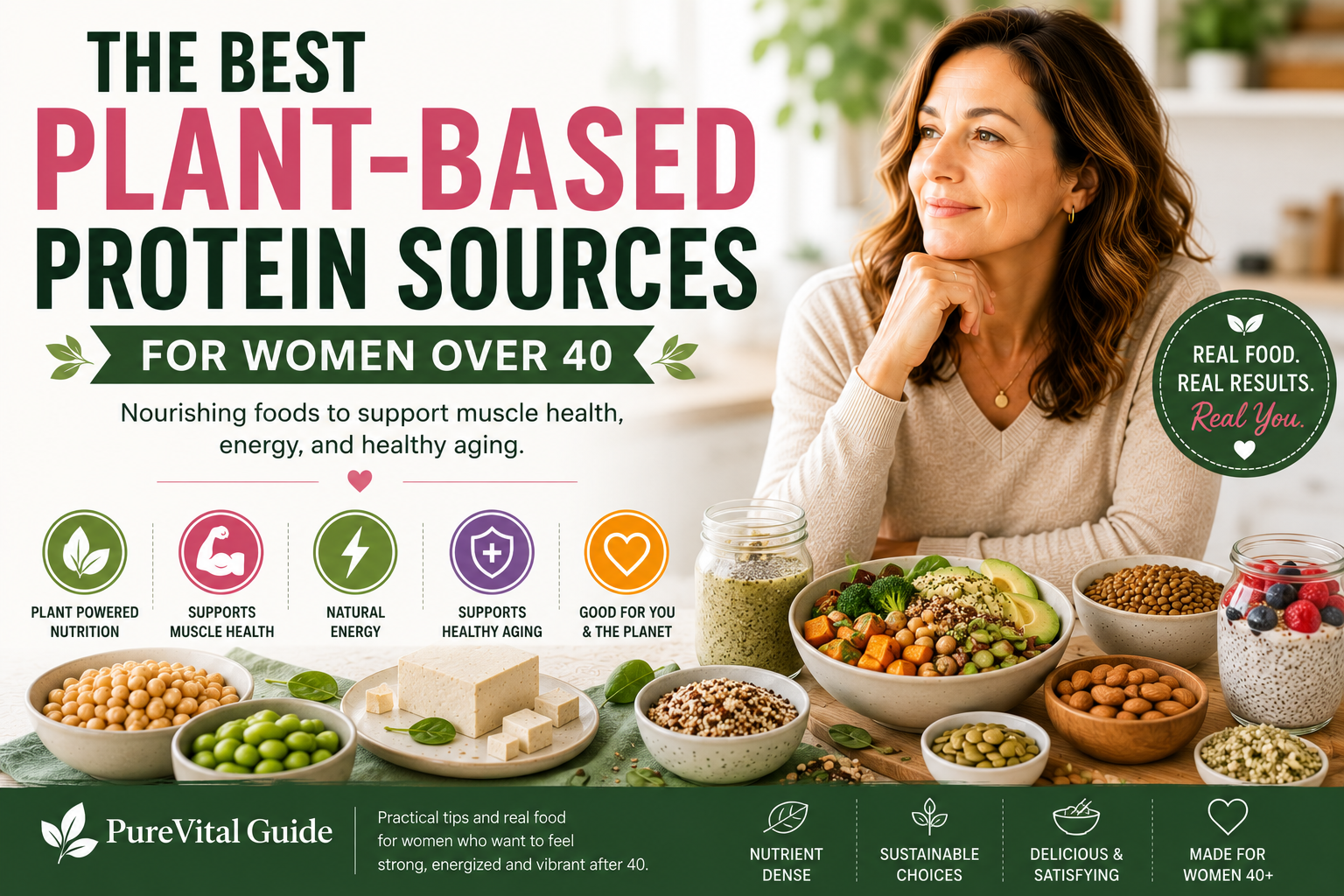
The Best Plant-Based Protein Sources for Women Over 40
The Best Plant-Based Protein Sources for Women Over 40
Last Updated: July 2026
As more women embrace plant-forward eating patterns, many begin asking an important question:
Can you get enough protein from plants after 40?
The answer is yes.
Whether you’re vegetarian, vegan, flexitarian, or simply looking to eat more plant-based meals, there are many nutritious foods that provide protein while also delivering fiber, vitamins, minerals, and beneficial plant compounds.
For women over 40, including a variety of plant protein sources can support healthy aging, muscle maintenance, and overall wellness as part of a balanced lifestyle.
In this guide, you’ll discover the best plant-based protein foods, practical meal ideas, and simple tips to help you build satisfying, nutrient-rich meals.
Quick Summary
Looking for the best plant-based protein foods?
Start with these:
- Lentils
- Chickpeas
- Black beans
- Edamame
- Tofu
- Tempeh
- Quinoa
- Hemp seeds
- Chia seeds
- Pumpkin seeds
- Almonds
- Pistachios
- Peanuts
- Oats
- Soy milk
The protein content of these foods varies depending on the serving size and preparation method.
Why Plant Protein Matters After 40
Protein is essential throughout life, but it becomes even more important during midlife and beyond.
As women age, maintaining muscle mass supports strength, mobility, and independence.
Plant-based foods offer more than protein alone.
Many also provide:
- Dietary fiber
- Iron
- Magnesium
- Potassium
- Folate
- Antioxidants
- Healthy fats
Eating a wide variety of plant foods can help create a balanced and satisfying eating pattern.
Do Plant Proteins Count?
Absolutely.
There is a common misconception that only animal foods provide “real” protein.
In reality, many plant foods naturally contain protein.
Some are considered complete proteins, while others contain different amounts of essential amino acids.
Eating a varied diet that includes legumes, soy foods, whole grains, nuts, and seeds helps provide a broad range of nutrients.
For most people who eat enough calories and a variety of plant foods throughout the day, carefully combining proteins at every meal is not necessary.
1. Lentils
Lentils are among the most versatile plant-based protein foods available.
Why They’re Great
They provide:
- Protein
- Fiber
- Iron
- Folate
- Potassium
Use lentils in soups, salads, curries, tacos, or grain bowls.
2. Chickpeas
Chickpeas are inexpensive, filling, and incredibly versatile.
Enjoy them:
- In salads
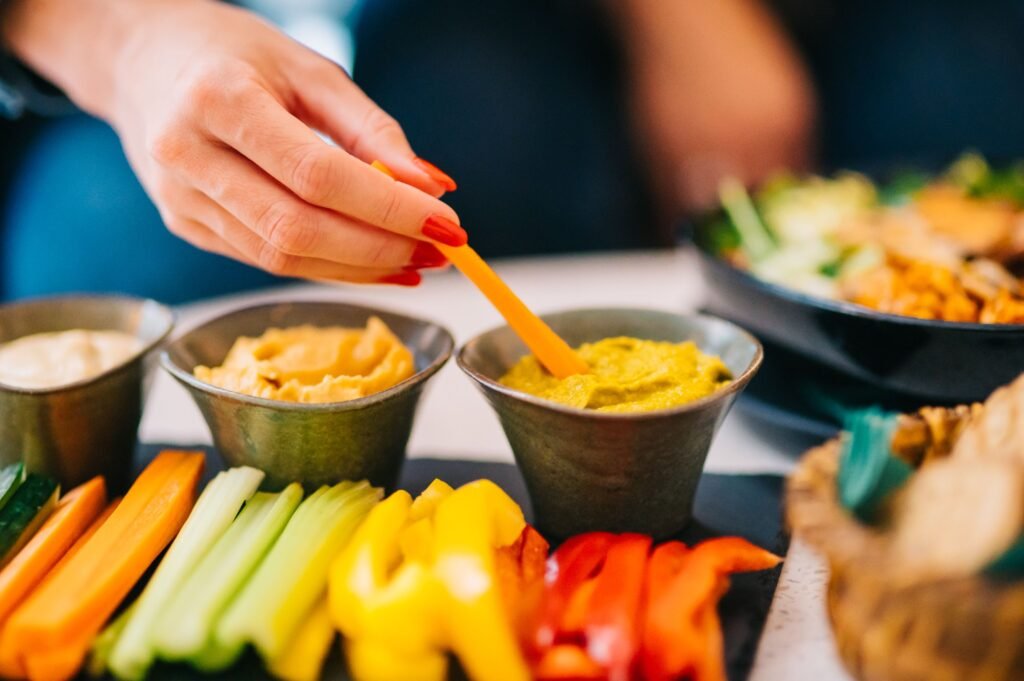
- Roasted as a snack
- Blended into hummus
- Added to soups
- In grain bowls
Their combination of protein and fiber helps create satisfying meals.
3. Black Beans
Black beans work beautifully in both traditional and modern recipes.
Try them in:
- Burrito bowls
- Chili
- Salads
- Veggie burgers
- Stuffed sweet potatoes
They also provide fiber and important minerals.
4. Edamame
Edamame (young soybeans) is one of the richest plant-based protein sources.
Serve it:
- Steamed
- In salads
- In stir-fries
- As a snack
- In grain bowls
Frozen edamame makes meal preparation especially convenient.
5. Tofu
Tofu absorbs flavors well and can be used in countless recipes.
Ideas include:
- Breakfast scrambles
- Stir-fries
- Sheet-pan dinners
- Salads
- Smoothies (silken tofu)
Choose the firmness that best suits your recipe.
6. Tempeh
Tempeh is made from fermented soybeans and has a firm texture with a nutty flavor.
It works well in:
- Sandwiches
- Grain bowls
- Stir-fries
- Salads
Fermented foods can add variety to your eating pattern.
7. Quinoa
Unlike many grains, quinoa naturally contains protein.
It also provides:
- Fiber
- Magnesium
- Iron
Serve quinoa instead of rice or use it in breakfast bowls, salads, and soups.
8. Hemp Seeds
These tiny seeds are packed with nutrients.
Sprinkle them over:
- Greek yogurt or plant-based yogurt
- Oatmeal
- Smoothies
- Salads
They add a mild, nutty flavor and healthy fats.
9. Chia Seeds
Chia seeds provide protein, fiber, and omega-3 fats.
Try them in:
- Overnight oats
- Yogurt bowls
- Smoothies
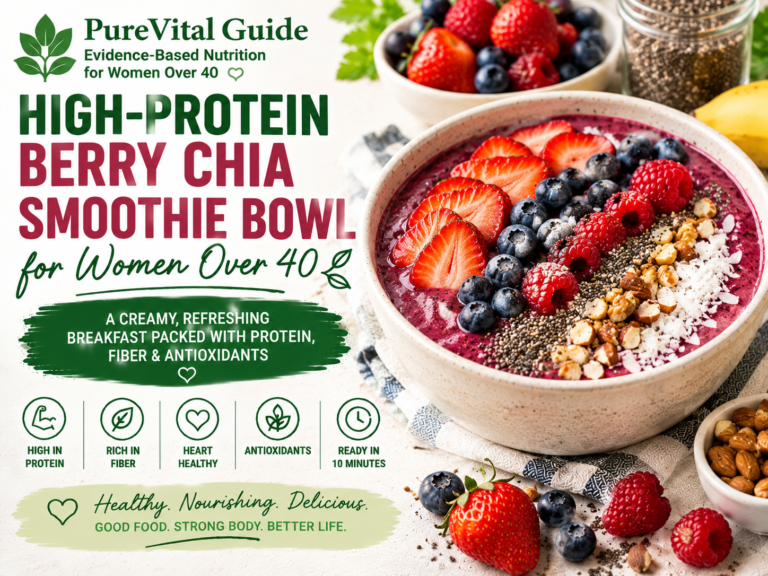
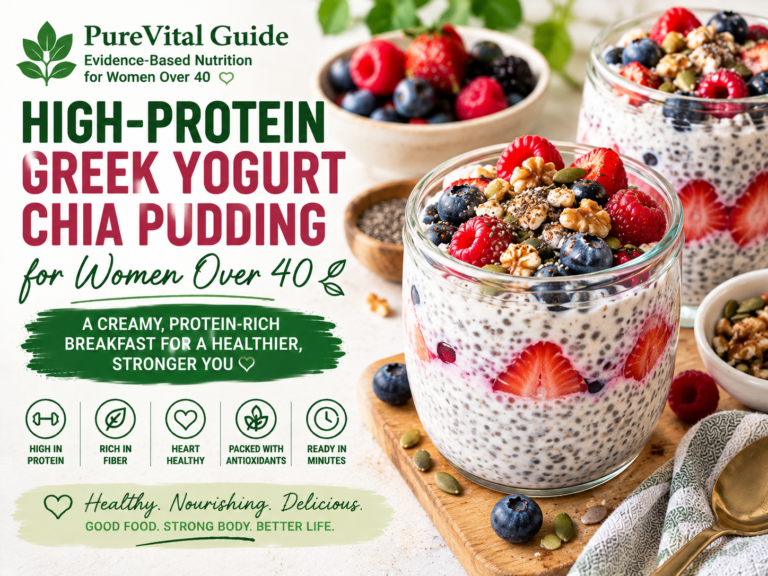
- Homemade chia pudding
10. Pumpkin Seeds
Pumpkin seeds make an excellent snack or salad topping.
They’re also a source of:
- Magnesium
- Zinc
- Healthy fats
Store them in an airtight container to keep them fresh.
11. Almonds
Almonds provide protein along with vitamin E and heart-healthy fats.
Enjoy them:
- As a snack
- In oatmeal
- In homemade trail mix
- As almond butter
Choose unsalted varieties when possible.
12. Pistachios
Pistachios are another nutrient-rich option.
Their natural shells may even encourage slower eating by helping you become more mindful of portion size.
13. Peanuts
Despite the name, peanuts are legumes.
They provide protein and healthy fats.
Spread natural peanut butter on whole-grain toast or pair it with apple slices for a satisfying snack.
14. Oats
Oats may not be the highest-protein food on this list, but they contribute protein while also providing soluble fiber.
Boost their protein content by adding:
- Soy milk
- Chia seeds
- Hemp seeds
- Nut butter
15. Fortified Soy Milk
Soy milk generally provides more protein than many other plant-based milk alternatives.
Use it in:
- Smoothies
- Overnight oats
- Coffee
- Cereal
- Soups
Choose unsweetened varieties whenever possible.
How to Build a Balanced Plant-Based Plate
Instead of focusing on one “superfood,” build meals around a variety of nutritious ingredients.
A simple formula:
Protein
- Lentils
- Tofu
- Tempeh
- Beans
- Edamame
Whole Grains
- Brown rice
- Quinoa
- Oats
Vegetables
Fill half your plate with colorful vegetables.
Healthy Fats
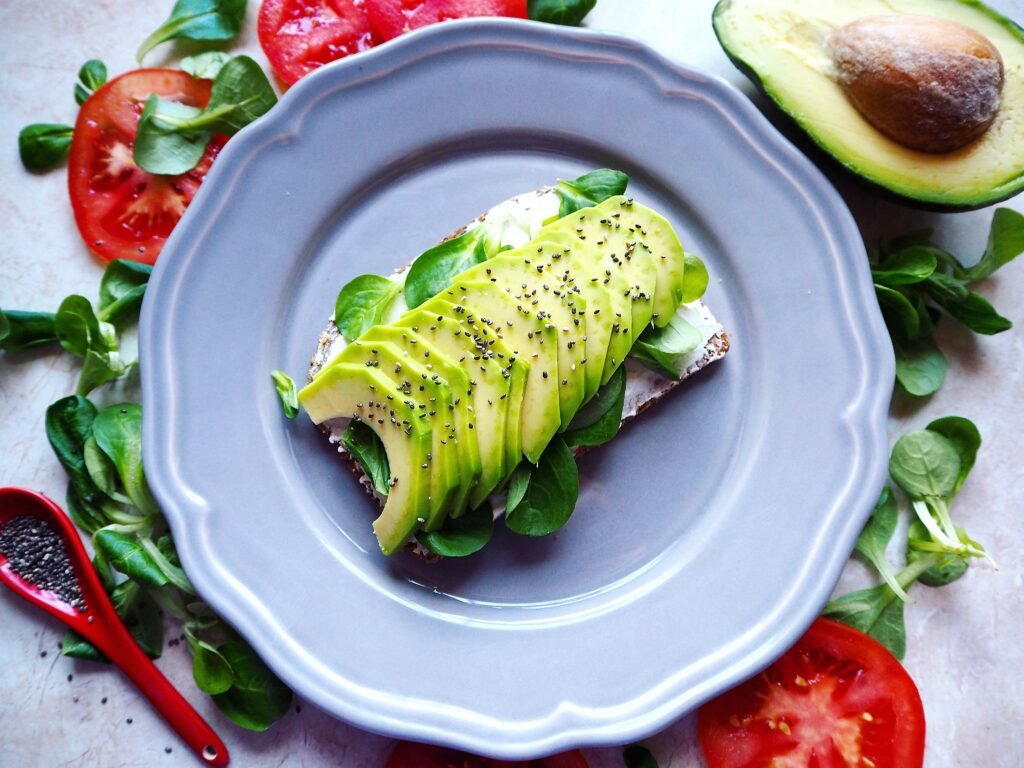
Add avocado, nuts, seeds, or olive oil.
This balanced approach supports both nutrition and satisfaction.
Common Myths About Plant Protein
Myth 1: Plant Protein Isn’t Complete
Many plant foods contain all essential amino acids, and eating a varied diet provides the nutrients your body needs.
Myth 2: You Can’t Build Muscle Without Meat
Muscle maintenance depends on many factors, including adequate protein intake, resistance exercise, total energy intake, and recovery.
Well-planned plant-based diets can support active lifestyles.
Myth 3: Plant-Based Eating Means Giving Up Flavor
Plant-based meals can be colorful, flavorful, and satisfying.
Experiment with herbs, spices, roasted vegetables, and different cooking techniques to keep meals exciting.
Frequently Asked Questions
Is plant protein enough after 40?
Yes. A varied diet that includes legumes, soy foods, whole grains, nuts, and seeds can provide adequate protein for many women.
Is soy safe?
Soy foods such as tofu, tempeh, and edamame can be part of a healthy eating pattern for most people. If you have a medical condition or questions about soy intake, consult your healthcare professional.
Which plant food has the most protein?
Soy foods, lentils, beans, and tempeh are among the richest plant-based protein sources.
Do I need protein powder?
Not necessarily.
Many women can meet their protein needs through whole foods alone.
Protein powders may be convenient in some situations but are not required for a balanced diet.
Final Thoughts
Adding more plant-based protein to your meals doesn’t require a complete lifestyle change.
Start with one or two simple swaps.
Replace part of your meat with lentils in a soup.
Add edamame to a salad.
Top your oatmeal with hemp seeds.
Enjoy tofu in a stir-fry.
Over time, these small choices can help increase the variety of your diet while supporting healthy aging.
The goal isn’t perfection—it’s building enjoyable habits that you can maintain for years to come.
At PureVital Guide, we believe healthy eating should be practical, delicious, and sustainable.
Related Articles
- How Much Protein Do Women Over 40 Really Need?
- Protein After 40: Why Women Need More Than They Think
- 15 Best High-Protein Breakfast Ideas for Women Over 40
- 15 High-Protein Snacks for Women Over 40 That Keep You Satisfied
- 15 Best Foods That Support a Healthy Metabolism After 40
Medical Disclaimer
This article is provided for educational and informational purposes only.
It should not be considered medical advice, diagnosis, or treatment.
Individual nutritional needs vary. Always consult a qualified healthcare professional or registered dietitian before making significant dietary changes, particularly if you have a medical condition or specific nutritional needs.


13 Comments