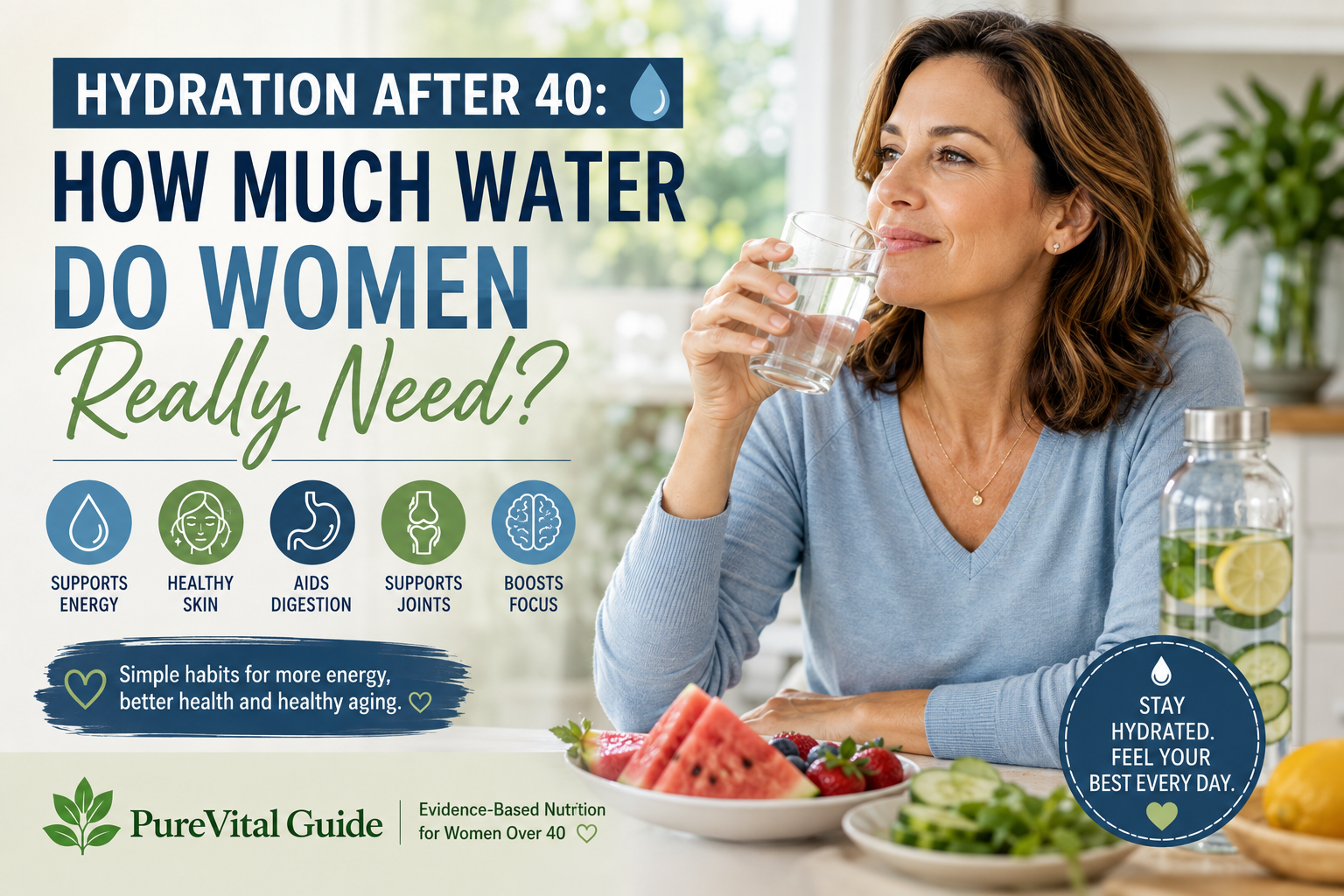
Hydration After 40: How Much Water Do Women Really Need?
Last Updated: July 2026
Hydration After 40: How Much Water Do Women Really Need?
Water is one of the most essential nutrients your body needs, yet it’s often overlooked when discussing healthy aging.
After the age of 40, many women begin to notice subtle changes in energy levels, skin health, digestion, and physical performance. While these changes are influenced by several factors—including hormones, lifestyle, and metabolism—staying properly hydrated remains one of the simplest ways to support overall well-being.
Every cell, tissue, and organ in your body depends on water to function properly. Hydration supports circulation, regulates body temperature, transports nutrients, cushions joints, and helps remove waste products.
The good news is that improving your hydration habits doesn’t require expensive products or complicated routines. Small, consistent changes throughout the day can make a meaningful difference.
In this guide, you’ll learn why hydration becomes especially important after 40, how much water women generally need, common signs of dehydration, and practical strategies to stay hydrated every day.
Quick Summary
In this guide, you’ll discover:
- Why hydration matters more after age 40.
- How much water women generally need.
- Early signs of dehydration.
- The health benefits of staying hydrated.
- Simple ways to drink more water every day.
- Frequently asked questions.

Why Hydration Matters More After 40
As we age, the body’s water balance naturally changes.
Older adults often have a slightly lower percentage of body water than younger adults, and the sensation of thirst may become less noticeable over time. In addition, factors such as medications, increased physical activity, warm climates, and hormonal changes can all influence hydration needs.
For women over 40, staying hydrated may help support:
- Healthy energy levels
- Physical performance
- Digestion
- Joint comfort
- Skin health
- Temperature regulation
- Cognitive function
- Overall wellness
Although water isn’t a cure-all, it plays an essential role in nearly every process within the body.
What Does Water Do in the Body?
Water supports countless biological functions, including:
Transporting Nutrients
Water helps carry vitamins, minerals, oxygen, and nutrients to cells throughout the body.
Regulating Body Temperature
Sweating allows your body to cool itself during exercise or hot weather.
Replacing lost fluids is essential for maintaining normal body temperature.
Supporting Digestion
Water works alongside dietary fiber to promote healthy digestion and regular bowel movements.
Lubricating Joints
Cartilage contains a high percentage of water.
Staying hydrated helps maintain the environment that supports comfortable movement.
Supporting Brain Function
Even mild dehydration may temporarily affect concentration, alertness, and mood in some individuals.
Removing Waste
The kidneys rely on adequate fluid intake to help eliminate waste products through urine.

How Much Water Do Women Really Need?
There is no single amount of water that is perfect for everyone.
Hydration needs vary based on:
- Age
- Activity level
- Climate
- Body size
- Overall health
- Pregnancy or breastfeeding
- Certain medications
General recommendations suggest that most healthy women benefit from approximately 2.7 liters (about 91 ounces) of total water each day.
This total includes:
- Plain drinking water
- Other beverages
- Water naturally found in foods such as fruits and vegetables
Rather than focusing only on a specific number, it’s helpful to develop consistent hydration habits throughout the day.
Signs You May Not Be Drinking Enough Water
Dehydration can develop gradually, and early signs are often subtle.
Common symptoms may include:
- Feeling thirsty
- Dry mouth
- Dark yellow urine
- Fatigue
- Headache
- Difficulty concentrating
- Dizziness
- Dry skin
- Constipation
If you experience persistent symptoms or signs of significant dehydration, seek medical advice promptly.
12 Benefits of Staying Hydrated
1. Supports Healthy Energy Levels
Even mild dehydration may contribute to feelings of fatigue.
Drinking enough fluids throughout the day helps your body function efficiently.
2. Helps Maintain Physical Performance
Hydration supports exercise performance by helping regulate body temperature and replace fluids lost through sweat.
3. Promotes Healthy Digestion
Water and dietary fiber work together to support healthy digestion and regular bowel movements.
4. Supports Brain Function
Adequate hydration is associated with normal concentration, memory, and mental performance.
5. Helps Regulate Body Temperature
Sweating is your body’s natural cooling system.
Replacing fluids is important, especially during exercise or hot weather.
6. Supports Kidney Health
Adequate fluid intake helps the kidneys perform their normal role in filtering waste from the bloodstream.
7. Keeps Joints Moving Comfortably
Water is an important component of joint tissues and helps maintain normal joint function.
8. Supports Healthy Skin
While hydration alone won’t eliminate wrinkles, adequate fluid intake contributes to normal skin function and overall health.
9. May Help Reduce Headaches in Some People
For individuals whose headaches are related to dehydration, increasing fluid intake may help.
10. Encourages Better Exercise Recovery
Replacing fluids after physical activity supports normal recovery.
11. Supports Healthy Circulation
Blood contains a large percentage of water, making hydration important for normal circulation.
12. Contributes to Overall Wellness
Proper hydration works alongside balanced nutrition, regular movement, quality sleep, and stress management to support healthy aging.
Related Articles
Continue building healthy habits with these guides from PureVital Guide:
- Morning Habits for Women Over 40
- Walking After 40: Why a Daily Walk May Be One of the Best Habits for Healthy Aging
- Why Sleep Gets Harder After 40
- The Mediterranean Diet for Women Over 40
- Anti-Inflammatory Foods for Women Over 40
- How to Boost Your Metabolism After 40 Naturally
Best Hydrating Foods
Drinking water is the most obvious way to stay hydrated, but it’s not the only one.
Many fruits and vegetables naturally contain a high percentage of water while also providing vitamins, minerals, fiber, and antioxidants. Including these foods in your daily meals can contribute to your overall fluid intake.
1. Cucumber
Made up of about 95% water, cucumbers are refreshing, low in calories, and easy to add to salads, sandwiches, or infused water.
2. Watermelon
Watermelon is one of the most hydrating fruits available. It also provides vitamin C, vitamin A, and the antioxidant lycopene.
3. Strawberries
These naturally sweet berries contain plenty of water, fiber, and vitamin C, making them an excellent snack or breakfast topping.
4. Oranges
Oranges provide hydration along with potassium, vitamin C, and natural sweetness.
5. Lettuce
Leafy greens such as romaine and iceberg lettuce contain a high percentage of water and add volume and nutrients to meals.
6. Celery
Celery is crunchy, refreshing, and naturally rich in water. Pair it with hummus or nut butter for a satisfying snack.
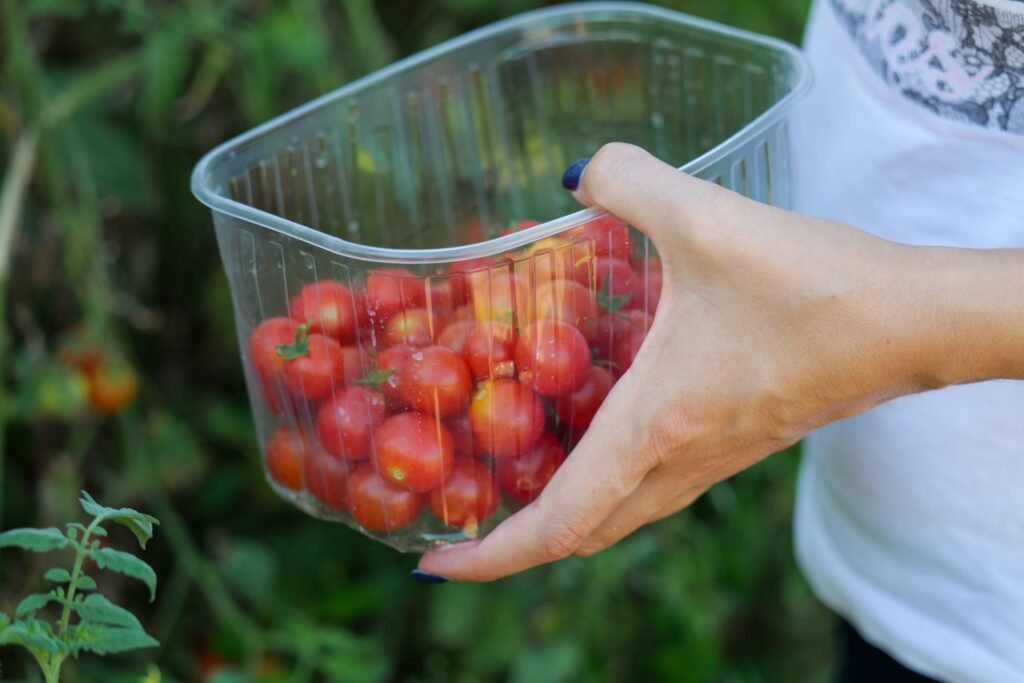
7. Tomatoes
Tomatoes are another excellent source of hydration and provide vitamin C, potassium, and lycopene.
8. Zucchini
Versatile and easy to prepare, zucchini can be grilled, roasted, spiralized, or added to soups and casseroles.
9. Bell Peppers
Bell peppers are colorful, crisp, and naturally high in water and vitamin C.
10. Plain Yogurt
While not a fruit or vegetable, plain yogurt contains a significant amount of water and provides calcium, protein, and probiotics.
Common Hydration Mistakes
Many people think they’re drinking enough water when, in reality, a few daily habits may be working against them.
Avoid these common mistakes:
Waiting Until You’re Very Thirsty
Thirst is an important signal, but it may appear after your body has already begun to lose fluids.
Instead, sip water regularly throughout the day.
Drinking Most of Your Water at Once
It’s generally more effective to spread your fluid intake across the day rather than drinking large amounts all at once.
Forgetting to Drink During Exercise
Physical activity increases fluid loss through sweat.
Keep water nearby before, during, and after workouts.
Ignoring Hot Weather
Warmer temperatures increase perspiration, which means your hydration needs may also increase.
Replacing Water with Sugary Drinks
Soft drinks, sweetened coffees, and energy drinks often add excess sugar without providing the same benefits as water.
Water should remain your primary beverage.
A Simple Daily Hydration Schedule
Instead of trying to drink large amounts of water all at once, spread your intake throughout the day.
Morning
✔ Drink one glass of water shortly after waking.
✔ Have another glass with breakfast.
Mid-Morning
✔ Refill your water bottle.
✔ Enjoy hydrating fruit such as strawberries or an orange.
Lunch
✔ Drink water with your meal.
✔ Include vegetables such as cucumbers or tomatoes.
Afternoon
✔ Have another glass of water before your afternoon snack.
✔ If you’re exercising, increase fluids before and after activity.
Evening
✔ Drink water with dinner.
✔ Stay hydrated, but avoid drinking excessive amounts immediately before bedtime if nighttime bathroom trips disrupt your sleep.
Tips for Drinking More Water
If you struggle to drink enough water, try these simple ideas:
- Carry a reusable water bottle.
- Add lemon, lime, cucumber, or fresh mint for flavor.
- Set reminders on your phone.
- Drink a glass of water before each meal.
- Keep water visible on your desk or kitchen counter.
- Track your intake using a journal or app if helpful.
Small habits often lead to lasting results.
Frequently Asked Questions
Can coffee count toward hydration?
Yes.
Coffee and tea contribute to your daily fluid intake for most healthy adults, although plain water should still be your primary beverage.
Do I need sports drinks?
Most people do not need sports drinks for everyday activities.
Water is usually sufficient for moderate exercise. Longer or very intense workouts may require additional electrolytes, depending on individual needs.
Can you drink too much water?
Yes.
Although uncommon, drinking excessive amounts of water in a short period can be harmful. Balance and moderation are important.
How can I tell if I’m well hydrated?
A simple indicator is urine color. Pale yellow urine often suggests adequate hydration, though many factors can influence urine color.
Is sparkling water as hydrating as still water?
Yes.
Plain sparkling water hydrates similarly to still water, provided it does not contain excessive added sugar.
Final Thoughts
Hydration is one of the simplest—and most powerful—healthy habits you can build.
While nutrition, exercise, sleep, and stress management all play important roles in healthy aging, water supports nearly every function in your body.
Rather than aiming for perfection, focus on consistency.
Carry a water bottle, eat water-rich foods, drink fluids regularly throughout the day, and pay attention to your body’s signals.
Over time, these small habits can help support energy, digestion, physical performance, and overall well-being.
Healthy aging starts with simple daily choices—and drinking enough water is one of the easiest places to begin.
Scientific References
The information in this article is based on educational resources from internationally recognized organizations, including:
- National Academies of Sciences, Engineering, and Medicine
- National Institutes of Health (NIH)
- Centers for Disease Control and Prevention (CDC)
- Harvard T.H. Chan School of Public Health
- Academy of Nutrition and Dietetics
- Mayo Clinic
Medical Disclaimer
This article is intended for educational purposes only and should not be considered medical advice.
Hydration needs vary depending on health conditions, medications, physical activity, and climate. If you have kidney disease, heart disease, or another medical condition that affects fluid balance, follow your healthcare provider’s recommendations.
Key Takeaways
- Water supports virtually every system in the body and becomes increasingly important as we age.
- Most women can improve hydration by drinking water consistently throughout the day rather than all at once.
- Fruits, vegetables, and yogurt also contribute to daily fluid intake.
- Simple habits—like carrying a reusable water bottle and drinking water with meals—can make staying hydrated much easier.
- Hydration works best alongside balanced nutrition, regular physical activity, quality sleep, and effective stress management.
At PureVital Guide, we believe healthy aging is built on small, sustainable choices. Staying hydrated is one of the easiest daily habits you can adopt to support your health today and for years to come.